Living as an international student in the Netherlands is an exciting adventure filled with new experiences, from navigating charming canals to adjusting to a vibrant multicultural environment.
However, settling into Dutch life can come with its challenges, like understanding public transport, managing expenses, or even embracing local customs.
Over time, I’ve discovered practical tips that make daily life smoother and more enjoyable, whether it’s about finding affordable groceries or making the most of student discounts.
These insights not only save you money but also help you feel more connected to your new home. If you’re gearing up for your Dutch study journey or already here and looking to thrive, I’ve got you covered.
Let’s dive into the details and uncover the best hacks for student life in the Netherlands!
Mastering Public Transport Like a Local
Getting to Know the OV-Chipkaart
One of the first things I had to wrap my head around was the OV-chipkaart, the smart card that powers almost all public transport in the Netherlands. At first, it felt overwhelming—how do I top it up, where can I use it, and what’s the difference between a personal and anonymous card?
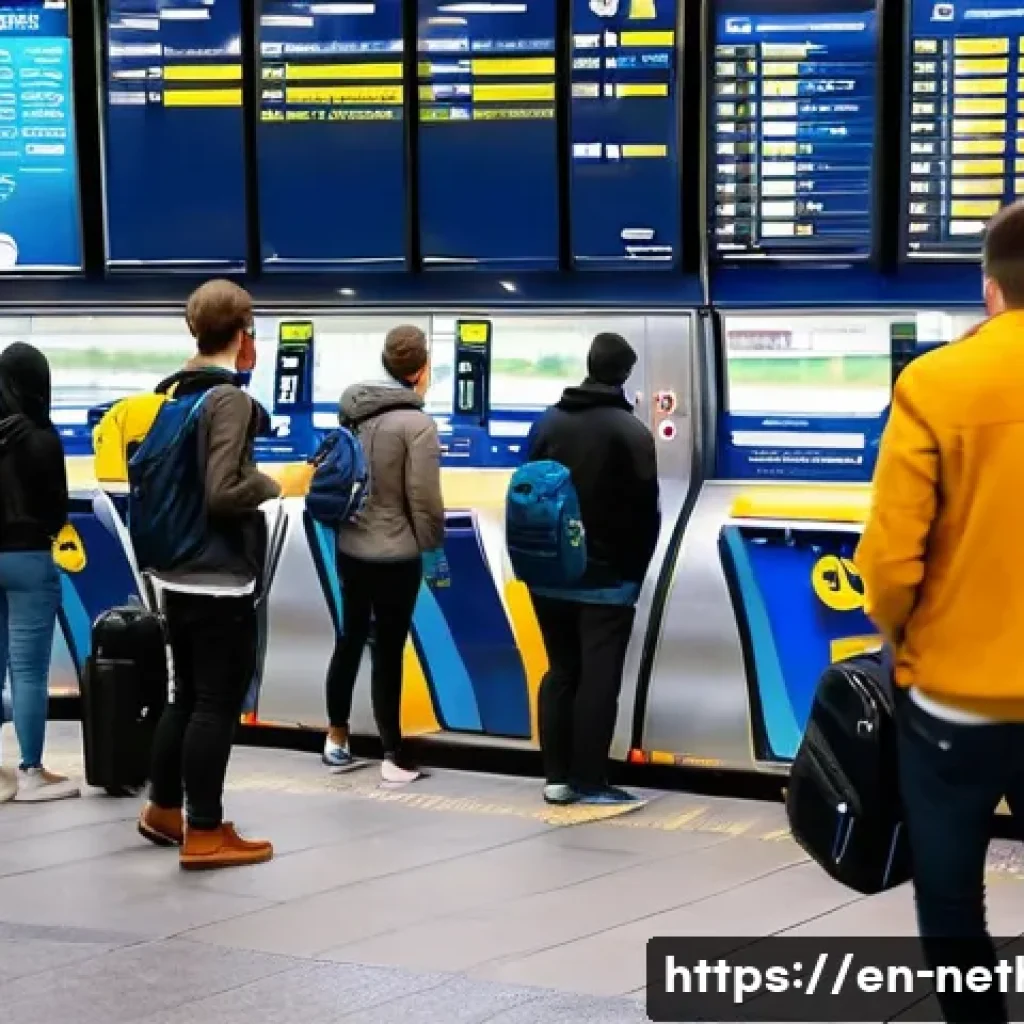
From my experience, grabbing an anonymous OV-chipkaart from a local supermarket or train station is the easiest start. Topping it up is a breeze too; I often used the NS app or the yellow ticket machines, which are pretty intuitive once you get used to them.
Remember, always check in and out when boarding and leaving buses or trains, or you’ll get charged a penalty fare. This system saved me a lot compared to buying single tickets every time, especially when commuting daily to campus or exploring nearby cities.
Smart Travel Cards and Discounts for Students
If you’re studying in the Netherlands, it’s worth looking into the student discount options available for public transport. I personally applied for the “Student OV” card, which gave me free or heavily discounted travel during certain hours.
It’s a game changer when you need to get around without burning a hole in your wallet. The process involves registering through your university and can take a few weeks, so plan ahead.
Also, keep an eye out for regional travel passes if you mostly stay within one province. Combining these with bike rentals or sharing services can make your daily commute both affordable and flexible.
Tips for Navigating Buses, Trams, and Trains
Once you have your card sorted, understanding the network is next. Trains are great for longer distances between cities, while buses and trams cover local travel within towns.
I found apps like 9292 and NS to be lifesavers for planning routes and checking live schedules. A little insider tip: avoid rush hours if you can, as the trains and trams can get packed, especially around university zones.
On the bus or tram, it’s polite to greet the driver and have your card ready. Also, some smaller towns have “on demand” bus services, so it’s good to check if your area supports that—I’ve used it a couple of times when I needed to get home late and it worked like a charm.
Budget-Friendly Grocery Shopping Hacks
Choosing the Right Supermarkets
Finding affordable groceries in the Netherlands was a bit of trial and error at first. I quickly learned that stores like Lidl and Aldi offer great prices on essentials without sacrificing quality.
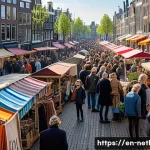
For fresh produce, local markets are a goldmine, especially if you go towards closing time when vendors often slash prices to clear stock. Albert Heijn is convenient but tends to be pricier, so I use it mostly for specific items or when I’m in a hurry.
Also, discount chains like Dirk or Jumbo have weekly specials that can make a big difference when you’re stocking up.
Smart Shopping Strategies
I started meal planning to avoid impulse buys, which saved me both money and food waste. Buying in bulk for staples like rice, pasta, and canned goods helped too.
When it comes to fresh items, freezing leftovers or buying frozen vegetables turned out to be a lifesaver on busy days. Also, I keep an eye out for “houdbaar tot” labels, which indicate items close to their expiry date but still perfectly safe to consume.
Many supermarkets offer discounts on these, and I scored some excellent deals on cheese and bread this way.
Leveraging Loyalty Cards and Apps
Many Dutch supermarkets have loyalty programs or apps that provide digital coupons and personalized deals. For example, the Albert Heijn Bonus Card gives you access to weekly discounts tailored to your shopping habits.
Using these apps regularly helped me shave off a noticeable amount from my grocery bills. Another tip is to download price comparison apps or websites to find the best deals nearby.
Over time, I became quite savvy at timing my shopping trips around promotions and seasonal sales.
Finding Affordable Housing and Making It Feel Like Home
Exploring Housing Options for Students
Housing in the Netherlands can be tricky, especially in popular student cities like Amsterdam or Utrecht. I started by checking university housing platforms and then expanded to private rentals and shared apartments.
Websites like Kamernet and HousingAnywhere are great for finding listings, but beware of scams—always visit in person or have a trusted friend check before signing anything.
I also found that joining local Facebook groups helped me connect directly with other students looking for roommates or sublets.
Decorating on a Budget
Once I secured a place, making it feel cozy didn’t have to break the bank. Second-hand stores, flea markets, and online marketplaces like Marktplaats were my go-to spots for affordable furniture and décor.
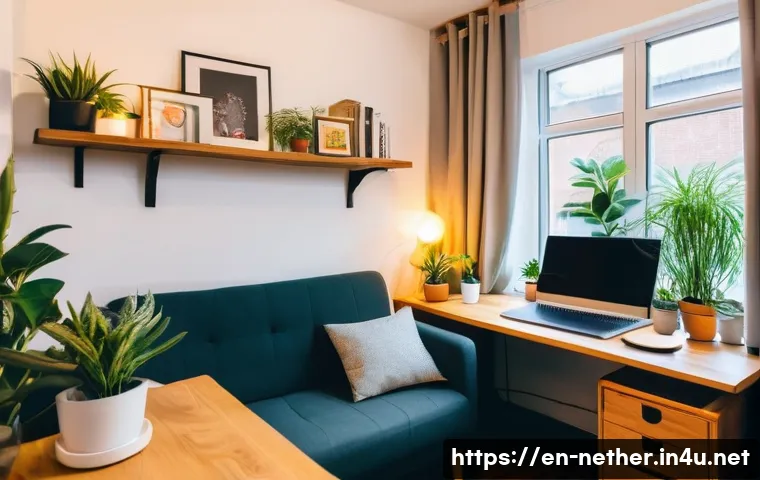
Adding simple touches like plants, fairy lights, and personal photos really made my room feel like a home away from home. Plus, investing in some good blackout curtains was a game changer for getting quality sleep, especially during the long summer days.
Understanding Rental Contracts and Utilities
Navigating rental agreements can be a headache, but knowing your rights and responsibilities is crucial. Most student rentals come with fixed contracts, and utilities may or may not be included.
I learned to carefully check what’s covered—electricity, water, internet—and budget accordingly. It’s also smart to get renter’s insurance; it’s affordable and provides peace of mind for your belongings.
When I moved in, I made sure to document the condition of the apartment with photos to avoid disputes later on.
Embracing Dutch Culture and Social Life
Getting Comfortable with Local Customs
The Dutch culture has a charm all its own, and embracing local customs made my experience richer. For instance, the Dutch are known for their directness, which can feel blunt but is really just honesty.
I found that being open and straightforward in conversations helped me build genuine connections. Participating in traditional events like King’s Day and local markets also gave me insight into the vibrant community spirit here.
Making Friends and Building a Support Network
Building a social circle abroad isn’t always easy, but joining student clubs, sports teams, or language exchanges worked wonders for me. Universities often have international student organizations that host events, which are perfect for meeting like-minded people.
I also made an effort to connect with locals, which not only improved my Dutch but gave me a deeper appreciation for day-to-day life here. It’s amazing how shared experiences can turn strangers into close friends.
Balancing Studies and Leisure
Studying abroad is not just about hitting the books; it’s about living fully too. I carved out time for exploring museums, cycling through the countryside, or just chilling in cozy cafés.
The Netherlands has a fantastic network of bike paths, and owning a bike is almost a necessity. Plus, student discounts on cultural venues and cinemas helped me enjoy these activities without overspending.
Finding this balance kept my motivation high and made my time here unforgettable.
Managing Finances Wisely as a Student
Budget Planning and Expense Tracking
Living on a student budget means being mindful of every euro spent. I started using simple budgeting apps to track my monthly expenses, which helped me identify where I could cut back.
Fixed costs like rent and insurance took priority, but I also allocated funds for groceries, transport, and social outings. This approach kept me from unpleasant surprises and allowed me to save a bit for travel or emergencies.
Banking and International Transfers
Opening a Dutch bank account was one of my first tasks. It made managing money easier and avoided hefty fees from international transfers. Banks like ING and ABN AMRO offer student accounts with no monthly fees and perks like free debit cards.
If you need to send money home or receive funds from abroad, services like Wise or Revolut provided great exchange rates and low fees. Setting this up early saved me a lot of hassle later on.
Maximizing Student Discounts and Deals
From public transport to cultural events, the Netherlands offers plenty of student discounts. I made a habit of always carrying my student ID and checking eligibility before buying tickets or memberships.
Some museums have free entry days for students, and cinemas often have cheaper student screenings. Even restaurants and gyms sometimes offer deals. Over time, these small savings added up, making a noticeable difference in my monthly budget.
Staying Healthy and Active in a New Environment
Finding Affordable Healthcare Options
Navigating healthcare as an international student can be daunting. I registered with a local general practitioner (huisarts) soon after arriving, which made it easier to access medical care without stress.
Health insurance is mandatory in the Netherlands, and I chose a student-friendly plan that balanced coverage and cost. For minor ailments, local pharmacies are very helpful, and many speak English.
Keeping a small first aid kit and knowing where to go for urgent care made me feel more secure.
Incorporating Exercise into Daily Life
Staying active was crucial for my wellbeing. I quickly fell in love with cycling—it’s not only practical but a great workout. Joining a university sports club gave me access to facilities and group classes at a fraction of the usual price.
Walking around town and exploring parks also became my go-to for unwinding after study sessions. I found that mixing exercise with social activities kept me motivated and helped me settle in better.
Maintaining Mental Health and Seeking Support
Adjusting to a new country can be overwhelming at times. I made sure to prioritize mental health by keeping in touch with family and friends back home and finding local support when needed.
Many universities offer counseling services and workshops tailored for international students. I also practiced mindfulness and set aside time for hobbies to manage stress.
Recognizing when to ask for help and taking proactive steps made a huge difference in my overall experience.
| Category | Tip | Benefit | Personal Insight |
|---|---|---|---|
| Transport | Use OV-chipkaart and apply for Student OV | Save money and travel flexibly | Saved over €20/week commuting |
| Groceries | Shop at Lidl, Aldi, and local markets | Affordable fresh and staple foods | Weekly market trips became a fun routine |
| Housing | Use university platforms and Facebook groups | Find trustworthy and affordable housing | Found a great room-sharing deal through Facebook |
| Culture | Join student clubs and attend local events | Build social network and cultural understanding | King’s Day celebrations were unforgettable |
| Finance | Open local bank account and track expenses | Avoid fees and manage budget effectively | Budgeting app kept me on track monthly |
| Health | Register with GP and stay active | Access healthcare easily and maintain wellbeing | Cycling daily improved my mood and fitness |
글을 마치며
Mastering public transport, budgeting wisely, and embracing local culture can transform your student experience abroad into something truly memorable. From navigating the OV-chipkaart system to finding affordable housing and maintaining a healthy lifestyle, these insights come from real experiences and practical tips. With the right mindset and preparation, living and studying in a new country becomes not just manageable but genuinely enjoyable. Remember, every small step you take helps build your confidence and independence in this exciting journey.
알아두면 쓸모 있는 정보
1. Always check in and out with your OV-chipkaart to avoid unnecessary penalty fees when using public transport. This simple habit can save you a lot of money over time.
2. Take advantage of student discounts wherever possible, from travel cards to cultural events, as they significantly reduce your daily expenses.
3. Meal planning and shopping at discount supermarkets or local markets can help you stretch your grocery budget without sacrificing quality or nutrition.
4. When searching for housing, use trusted platforms and local community groups to avoid scams and find better deals, especially in competitive student cities.
5. Prioritize your mental and physical health by staying active, seeking support when needed, and integrating into the local community for a balanced and fulfilling experience.
중요 사항 정리
Understanding the OV-chipkaart system and applying for student travel passes are essential for affordable and flexible commuting. Smart shopping strategies, including using loyalty programs and local markets, help keep living costs low. Securing trustworthy housing requires vigilance and utilizing university and social networks. Engaging with Dutch culture through clubs and events enriches your social life and eases adaptation. Lastly, managing finances carefully and maintaining your health through regular exercise and support systems ensure a smooth and rewarding student life abroad.
Frequently Asked Questions (FAQ) 📖
Q: How can I save money on groceries while living as a student in the Netherlands?
A: One of the best ways to cut down on grocery expenses is by shopping at budget-friendly stores like Lidl, Aldi, or Dirk, which offer quality products at lower prices compared to bigger supermarket chains.
Also, keep an eye out for weekly deals and discounts, which can significantly reduce your bill. Buying seasonal produce and bulk items, especially staples like rice, pasta, and canned goods, helps stretch your budget further.
If you live near a market, visiting towards closing time can score you fresh fruits and vegetables at lower prices. Personally, I found that meal planning and cooking at home not only saved money but also gave me a fun way to explore Dutch cuisine.
Q: What’s the easiest way to get around using public transport as an international student in the Netherlands?
A: Navigating public transport here becomes a breeze once you get the hang of the OV-chipkaart system, which is a rechargeable smart card used across buses, trams, and trains.
I recommend getting an anonymous OV-chipkaart as soon as you arrive, then loading it with credit or a student discount pass if eligible. Apps like NS (Dutch Railways) and 9292 are lifesavers for checking schedules and planning routes in real-time.
Also, many cities have excellent bike-sharing programs, and cycling is often the fastest way to get around, especially in university towns. From my experience, combining cycling with public transport gives you flexibility and saves money, plus it’s a great way to immerse yourself in Dutch culture.
Q: How can I better integrate and adapt to Dutch culture as an international student?
A: Embracing local customs can feel challenging at first, but small steps make a big difference. For example, the Dutch appreciate punctuality and direct communication, so showing up on time and being straightforward helps build respect.
Participating in student associations or local events is a fantastic way to meet people and understand cultural nuances firsthand. Learning a few basic Dutch phrases not only impresses locals but also opens doors to deeper connections.
I found that volunteering or joining hobby groups helped me feel less isolated and more part of the community. Remember, it’s perfectly normal to experience culture shock, but staying curious and open-minded makes the adjustment smoother and way more rewarding.