As an avid traveler who’s explored countless corners of the globe, I’ve learned that experiencing a country’s magic doesn’t always require a hefty budget.
The Netherlands, with its picturesque canals, charming windmills, and vibrant cities, might seem like a pricier European escape at first glance. I totally get it – those iconic Amsterdam views can feel intimidating to your wallet!
But what if I told you that, from my own adventures wandering through Dutch streets and soaking in the culture, I’ve discovered some truly brilliant ways to enjoy this incredible nation without emptying your savings?
Forget those preconceived notions about expensive travel; with a few smart strategies and a dash of local insight, you can absolutely savor the best of the Netherlands, from its historic sites to its delectable street food, all while keeping your expenses refreshingly low.
Ready to unlock the secrets to an unforgettable, yet budget-friendly, Dutch getaway? Let’s uncover the best ways to explore this stunning country smartly and stylishly.Hey there, fellow adventurers!
If you’re anything like me, the thought of exploring the stunning canals of Amsterdam or cycling through fields of tulips in the Netherlands probably sparks serious joy.
But then, a little voice whispers, “Isn’t it super expensive?” I’ve been there, staring at flight prices and imagining my bank account weeping. But guess what?
After spending countless hours researching and personally navigating the beautiful Dutch landscape, I’ve unearthed a treasure trove of tips that prove you absolutely can experience the magic of the Netherlands without breaking the bank.
From savoring delicious local treats to hopping on trains like a seasoned local, there are so many brilliant ways to make your euros stretch further than you ever thought possible.
Don’t let budget worries hold you back from your dream trip. Let’s dive in and discover exactly how to make your Dutch adventure both unforgettable and surprisingly affordable!
Navigating the Dutch Landscape Without Breaking the Bank
One of my absolute favorite things about exploring a new country is figuring out how to get around without feeling like I’m constantly emptying my wallet. In the Netherlands, this is especially true! While their public transport system is incredibly efficient and reliable, it can add up if you’re not savvy. I’ve personally found that a little planning goes a long way here. Forget those expensive single tickets for every single journey; there are smarter ways to glide through cities like Amsterdam, Utrecht, or Rotterdam. Trust me, I’ve made the mistake of just tapping my card everywhere and then getting a nasty surprise at the end of the week! Learning about the OV-chipkaart and understanding its different types really saved my budget. It’s not just about the money, though; it’s about feeling like a local, confidently hopping on trams and trains, and truly experiencing the rhythm of Dutch life. Plus, sometimes the most memorable journeys aren’t on a train at all, but on two wheels, like a true Dutchie!
Mastering the OV-chipkaart and Day Passes
- When you first arrive, resist the urge to buy single tickets for every trip. Instead, look into an anonymous OV-chipkaart. It’s a reloadable card you can use for all public transport (trains, trams, buses, metros). While there’s a small upfront cost for the card itself (around €7.50), it significantly reduces the cost per journey compared to buying individual paper tickets, which often have a surcharge. Just make sure to check in and out! It’s super important, otherwise, you might get charged for the whole line.
- If you’re planning a day of intensive sightseeing in a specific city, explore day or multi-day passes. Amsterdam, for example, offers the GVB day pass which is fantastic if you’re using trams, buses, and metros frequently within the city. For those venturing further afield, an Amsterdam & Region Travel Ticket can be a game-changer, covering transport to places like Zaanse Schans or Keukenhof during tulip season.
Embracing the Bicycle Culture
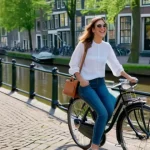
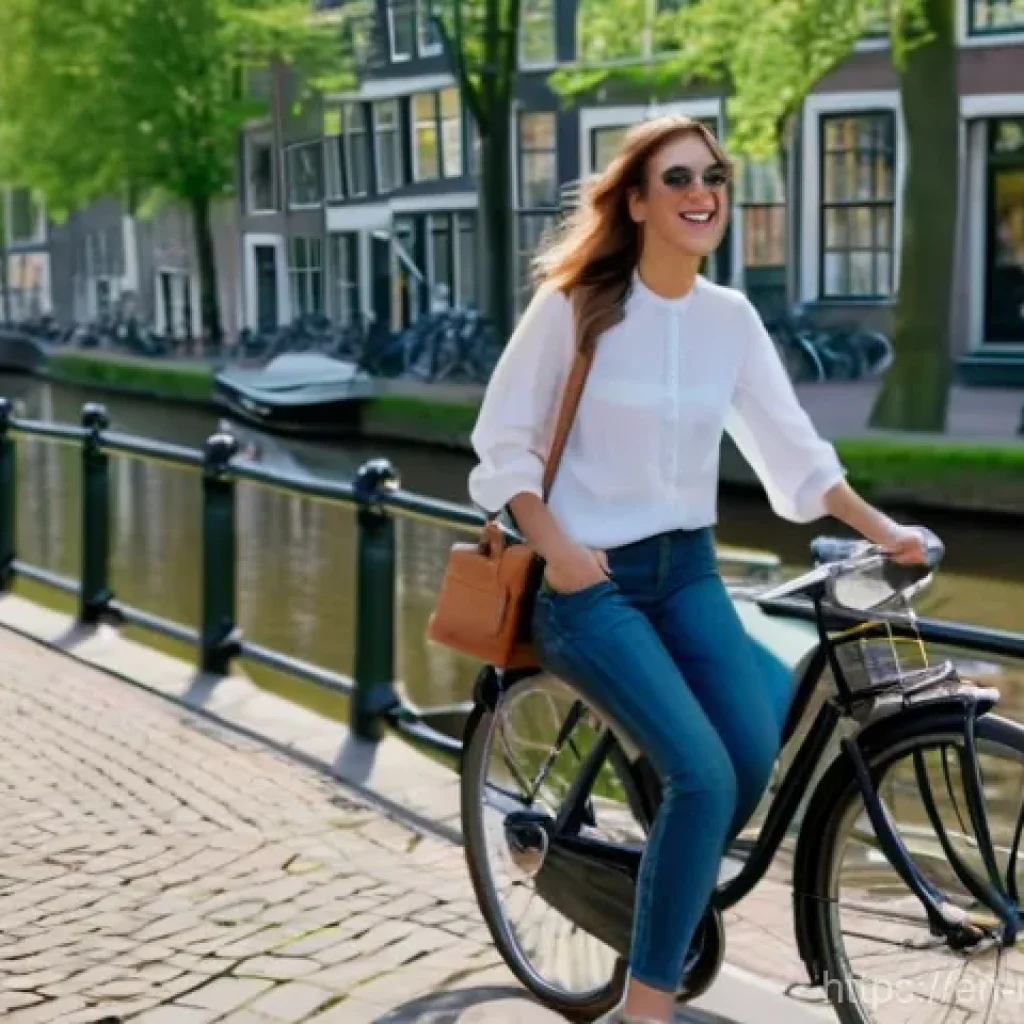
- Okay, this one is probably a no-brainer for the Netherlands, but seriously, embrace it! Renting a bike is not just a mode of transport; it’s an experience and a fantastic way to save money. Most cities have numerous bike rental shops, with prices often starting from around €10-€15 for 24 hours. I remember one sunny afternoon in Utrecht, cycling along the canals, feeling like I was living in a postcard – and it cost me way less than a taxi or even multiple tram rides. Just be mindful of the cycling rules, as Dutch cyclists are quite serious and efficient!
- Many hotels also offer bike rentals, sometimes at a discounted rate for guests. Always ask your accommodation if they have any deals or recommendations. Plus, if you’re staying longer, look for weekly rental rates which are usually much cheaper than daily ones. It’s also an amazing way to discover hidden gems that public transport might miss.
Savoring Dutch Delights: Eating Well on a Budget
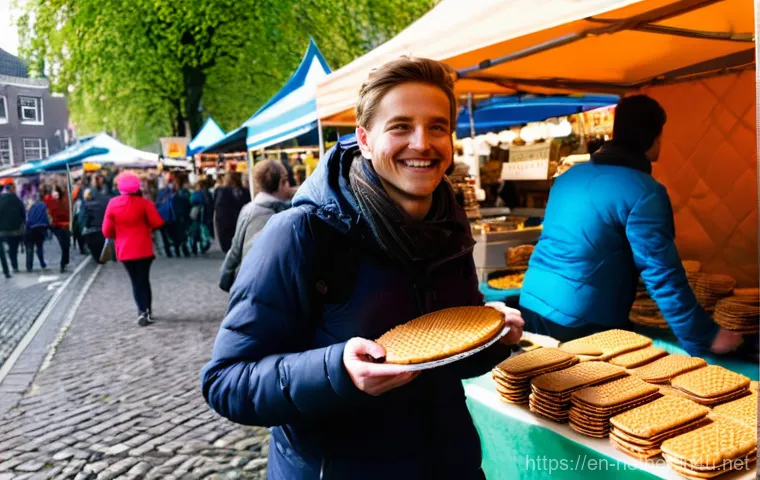
Let’s be honest, food is a huge part of the travel experience, right? And I absolutely refuse to let a tight budget stop me from trying all the amazing local flavors. The Netherlands has some seriously delicious treats, from savory to sweet, and I’ve discovered that indulging doesn’t have to mean splurging on fancy restaurants every night. My philosophy is always to blend a few sit-down meals with plenty of street food and supermarket finds. I’ve had some of my most authentic and memorable meals just grabbing a herring sandwich from a street vendor or a fresh Stroopwafel from a market stall. It’s not just about the cost savings; it’s about experiencing food the way locals do, standing by a canal, enjoying a quick bite, and soaking in the atmosphere. Plus, navigating local markets is an adventure in itself, a feast for the senses even before you buy anything!
Discovering Street Food Gems and Markets
- The Dutch excel at delicious, affordable street food. My absolute go-to is a “broodje haring” – a raw herring sandwich with pickles and onions. Don’t be scared by the “raw” part; it’s incredibly fresh and a true Dutch experience, typically costing just a few euros. Look for “haringkar” (herring carts) everywhere.
- Other fantastic street food options include “patat met” (fries with mayonnaise or other sauces, usually served in a cone), “kroket” (a deep-fried ragout roll), and of course, freshly made “stroopwafels” from a market stand – still warm and gooey, they are heavenly and cheap!
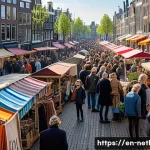
- Local markets, like the Albert Cuyp Market in Amsterdam or the Markthal in Rotterdam, are goldmines for budget eats. You can grab fresh produce, cheeses, baked goods, and prepared foods for a fraction of restaurant prices. I often make a picnic lunch from market finds and enjoy it in a park.
Smart Supermarket and Café Strategies
- Don’t underestimate the power of Dutch supermarkets like Albert Heijn, Jumbo, or Lidl. They’re perfect for stocking up on breakfast items, sandwich ingredients for lunch, and snacks. I always grab some fresh bread, cheese, cold cuts, and maybe some fruit for a picnic lunch. It saves a ton compared to eating out three times a day.
- Look for daily deals or “aanbiedingen” in supermarkets. Many have meal deals or discounted items perfect for travelers.
- For a caffeine fix or a light meal, many cafés offer much better prices than full-service restaurants. Some even have “daghap” or “plat du jour” options, which are often a single, affordable daily special. I often pop into a local bakery for a coffee and a pastry for breakfast; it’s quick, delicious, and much kinder to my wallet.
To give you a clearer idea of how these choices can impact your daily food budget, here’s a little breakdown based on my own observations:
| Meal Type | Average Cost (Euros) | Budget Traveler Strategy |
|---|---|---|
| Restaurant Dinner | €25-€40+ | Limit to 1-2 times per trip for a special experience. |
| Café Lunch/Brunch | €12-€20 | Choose wisely; look for daily specials or grab a sandwich. |
| Street Food (e.g., Haring, Patat) | €4-€8 | Excellent for quick, authentic, and affordable meals. My go-to! |
| Supermarket Picnic Lunch | €5-€10 | My absolute favorite for daily savings and fresh, local produce. |
| Coffee/Pastry | €3-€6 | Cheaper than a full breakfast; perfect for an on-the-go start. |
Smart Stays: Finding Affordable Accommodation in the Netherlands
Finding a place to rest your head without feeling like you’re paying a month’s rent for a single night can be one of the trickiest parts of budget travel, especially in popular cities like Amsterdam. But trust me, it’s not impossible! I’ve scoured countless booking sites, read endless reviews, and even tried a few unconventional options to find those sweet spots that offer comfort without the exorbitant price tag. My biggest takeaway? Don’t always go for the most obvious choices, and definitely be flexible with your location. Sometimes, staying just a short train ride outside the absolute city center can halve your accommodation costs, and you still get to experience charming neighborhoods that many tourists miss. It’s all about doing your homework and being open to different types of lodging.
Beyond the City Center: Charming and Cheaper Alternatives
- While staying right in the heart of Amsterdam is tempting, prices can be eye-watering. Consider staying in delightful, well-connected towns just outside the capital, such as Haarlem, Utrecht, or Leiden. These cities offer beautiful canals, historic architecture, and a more local vibe, often with hotels or B&Bs at a significantly lower cost. Plus, their excellent train connections mean you can be in Amsterdam Centraal in under 30 minutes. I personally loved my stay in Haarlem; it felt authentic and peaceful after a bustling day in Amsterdam.
- Even within Amsterdam, look at neighborhoods a bit further out from the Anne Frank House or Dam Square. Areas like De Pijp, Oost, or Noord (accessible via a free ferry from Centraal Station) often have more affordable and equally charming options, from boutique hotels to guesthouses.
Hostels, Guesthouses, and Unique Stays
- Hostels aren’t just for young backpackers anymore! Many offer private rooms that are clean, safe, and much more budget-friendly than traditional hotels. They also often come with great communal areas and sometimes even kitchens, which can further save money on food. I’ve stayed in some fantastic hostels in the Netherlands that felt more like chic boutique hotels than typical dorms.
- Explore guesthouses (B&Bs) or even farm stays, especially if you’re venturing into the countryside. Websites like Booking.com, Airbnb (look for private rooms or entire apartments slightly outside the main tourist hubs), and smaller, local listing sites can uncover some real gems. Sometimes, staying directly with a local family provides not just savings, but an unforgettable cultural experience!
Unlocking Dutch Culture for Less: Free & Low-Cost Activities
One of the beautiful things about the Netherlands, and travel in general, is that the most enriching experiences often don’t cost a dime. I’ve spent countless hours just wandering through charming streets, admiring the architecture, and soaking in the unique atmosphere – and those are some of my most cherished memories! You don’t need to spend a fortune on museum entries every single day to truly connect with the Dutch spirit. In fact, some of the most authentic insights come from simply observing daily life, cycling through parks, or stumbling upon a local market. It’s about being present and embracing the simple joys that this incredible country offers. From sprawling parks to historic churches, there are so many ways to engage with Dutch culture without feeling the pinch in your pocket.
Embracing the Great Outdoors and City Scapes
- The Netherlands is famous for its flat landscapes, making it perfect for free activities like walking and cycling. Take advantage of the extensive network of bike paths and scenic routes. Rent a bike for the day and explore beyond the city centers. Vondelpark in Amsterdam is a must-visit for a relaxing stroll, picnic, or people-watching session, and it’s absolutely free.
- Many cities boast beautiful parks, canals, and historic areas that are perfect for exploration on foot. A self-guided walking tour (many free apps or websites offer these) can lead you through hidden alleyways and past iconic landmarks without paying for a guided tour. I’ve discovered some of the most picturesque spots this way, completely by accident!
- Don’t forget the stunning Dutch beaches! Places like Scheveningen near The Hague or Zandvoort offer vast stretches of sand and sea, perfect for a free day out, especially during warmer months.
Free Glimpses into History and Art
- While major museums often have an entry fee, many smaller galleries, churches, or public spaces offer free access or have specific free entry times. Always check their websites! For example, many of Amsterdam’s “hofjes” (hidden courtyards) are free to enter and offer a peaceful escape into history.
- Window shopping in areas like The Nine Streets in Amsterdam or exploring local markets is an experience in itself, offering a feel for the local design and craft scene without needing to buy anything.
- Attending free festivals or events is another excellent way to immerse yourself in local culture. Check local tourist information websites for listings of free concerts, parades, or outdoor markets happening during your visit. I once stumbled upon a vibrant street festival in Utrecht that was an absolute blast and didn’t cost a cent!
Timing Your Trip: The Secret to Seasonal Savings
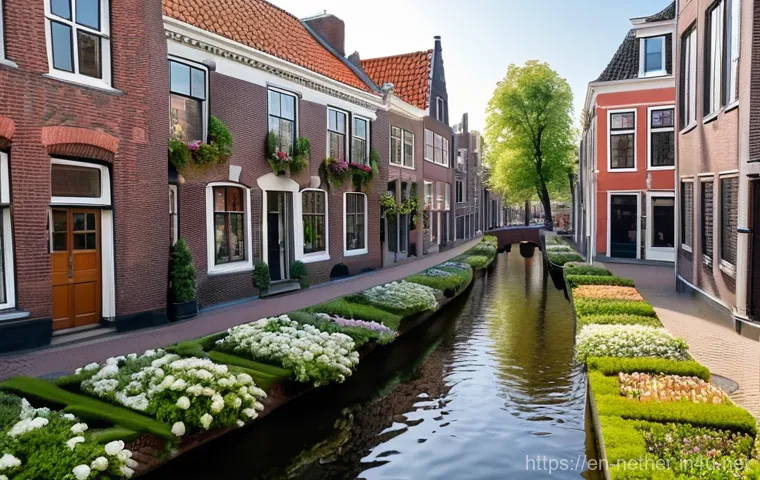
It’s funny how much the ‘when’ of your trip can impact the ‘how much,’ isn’t it? I’ve learned this the hard way on a few too many occasions! When it comes to the Netherlands, choosing the right time of year can make a dramatic difference to your overall budget, particularly for flights and accommodation. Everyone flocks there for the tulips in spring or the festive cheer in December, and while those times are undeniably magical, they also come with a premium price tag. If you’re flexible, venturing out during the shoulder seasons or even embracing the off-peak months can unlock significant savings and offer a uniquely charming experience without the crowds. It’s about balancing your desire for certain experiences with your financial realities, and sometimes, the unexpected beauty of the off-season can be the most rewarding discovery.
Embracing the Shoulder Seasons
- The shoulder seasons – late spring (late May/early June) and early autumn (September/early October) – are my personal favorite for budget-friendly travel in the Netherlands. The weather is generally pleasant, the major tourist crowds have thinned out, and prices for flights and hotels often drop significantly compared to the peak summer months. You still get to enjoy longer daylight hours and many attractions are open, but without the intense demand.
- Think about it: fewer queues, more space to breathe at popular spots, and still plenty of sunshine to enjoy cycling. I found that during early October, cities like Amsterdam and Utrecht are simply stunning with autumn foliage, and you can get some really fantastic deals on accommodation.
The Allure of Off-Peak Travel
- Don’t completely rule out winter (November to February, excluding Christmas and New Year’s). While it’s colder and days are shorter, prices hit rock bottom. You’ll find incredible deals on flights and hotels. Plus, you get to experience a different kind of Dutch charm: cozy cafes, ice skating on canals (if it’s cold enough!), and festive winter markets (without the massive holiday crowds).
- Just be prepared for potentially grey skies and bundle up! But honestly, a crisp winter day exploring a quieter Dutch city can be incredibly atmospheric and budget-friendly. I’ve had some wonderfully peaceful winter trips where the quiet beauty of the canals under a frosty sky felt like a secret just for me.
Savvy Shopping & Souvenirs: Bringing Home Memories, Not Debt
Let’s be real, who doesn’t love bringing back a little piece of their travels? But I’ve definitely learned that a souvenir doesn’t have to be expensive or mass-produced to be meaningful. In fact, some of my favorite mementos from the Netherlands are simple, unique finds that cost next to nothing. The key is to think outside the typical tourist trap shops and instead seek out local markets, second-hand stores, or even practical items that you’ll actually use and that remind you of your trip every day. It’s all about thoughtful purchases, rather than just buying for the sake of it. I remember once finding a beautiful vintage Delft blue tile at a flea market for just a few euros, and it’s now proudly displayed in my home, a constant reminder of my Dutch adventures – far more special than any mass-produced keychain!
Hunting for Unique Finds at Markets and Flea Markets
- Dutch markets are not just for food! Many, like the Waterlooplein Flea Market in Amsterdam, are treasure troves of second-hand goods, antiques, unique souvenirs, and local crafts. You can find everything from vintage clothing and old books to quirky collectibles and genuine Dutch art pieces, often at incredibly reasonable prices if you’re willing to browse.
- Don’t be afraid to haggle a little, especially at flea markets. It’s part of the fun and can help you snag an even better deal. I’ve found some really cool, one-of-a-kind items that truly represent the local culture, unlike the generic stuff you find in dedicated souvenir shops.
Practical Souvenirs and Local Delights
- Instead of spending a lot on trinkets, consider bringing home consumable Dutch delights. Think about delicious stroopwafels (you can buy them fresh or in tins from supermarkets), a block of authentic Gouda cheese, or some Dutch licorice (drop). These are often much more appreciated and can be shared with friends and family, extending your trip’s flavors.
- Look for items that are genuinely useful or reflective of Dutch design but are still affordable. For example, a uniquely Dutch tea towel, a small piece of pottery from a local artisan, or even a classic Dutch bicycle bell could make for a memorable and functional souvenir without breaking the bank. Supporting local artists and small businesses often means you’re getting something more authentic and unique.
Maximizing Your Experience with Smart Attraction Choices
Visiting all the iconic sights is a big part of any trip, and the Netherlands is packed with incredible museums, historic sites, and unique attractions. But let’s be honest, those entry fees can really add up, sometimes faster than you expect! I’ve been there, staring at the long list of amazing places I want to see and feeling my budget shiver. However, I’ve found that with a little strategic planning, you can absolutely immerse yourself in the Dutch cultural scene without spending a fortune. It’s all about choosing wisely, looking for bundled deals, and sometimes, knowing when to admire from the outside. Not every masterpiece needs an entry ticket; sometimes, the sheer beauty of the exterior or the surrounding area is enough to leave you inspired. Plus, prioritizing what truly matters to you means you’ll have a more focused and meaningful experience.
Investigating City and Museum Passes
- For avid museum-goers or those planning to hit multiple major attractions, a city pass can be a real money-saver. The I Amsterdam City Card, for example, offers free entry to many museums, unlimited public transport, and even a canal cruise. While there’s an upfront cost, if you plan to visit several paid attractions and use public transport frequently, it can often pay for itself. Do your calculations beforehand based on what you realistically want to see.
- For those focused purely on art and history, consider the Museumkaart (Museum Card). This card, primarily for residents, can sometimes be purchased by tourists and offers access to over 400 museums nationwide for a year. If you’re spending a significant amount of time in the Netherlands or planning multiple visits, it’s an incredible value. Always check the current rules for tourist purchase.
Free Alternatives and Prioritizing Your Must-Sees
- Remember that some of the best “attractions” are completely free. Simply walking along the canals, visiting a local park, or exploring a neighborhood market offers rich cultural experiences without any cost. I personally love just sitting by a canal in Amsterdam with a coffee and watching the boats go by – it’s simple, beautiful, and free!
- Be selective with paid attractions. Instead of trying to see every single museum, pick one or two that genuinely pique your interest the most. Would you prefer the Rijksmuseum’s masterpieces or the unique experience of the Anne Frank House? Prioritizing will not only save you money but also prevent museum fatigue. Sometimes, seeing the magnificent exterior of a building like the Royal Palace on Dam Square is enough to appreciate its grandeur without paying for entry.
Wrapping Up Our Dutch Budget Adventure!
Whew! We’ve covered a lot of ground, haven’t we? From whizzing around on an OV-chipkaart to savoring fresh stroopwafels from a market stall, and finding those charming, affordable stays, it’s clear that exploring the beautiful Netherlands doesn’t have to drain your bank account. My personal journey through this charming country has taught me that the most memorable moments often come from the simplest, most budget-friendly experiences – like cycling along a quiet canal or picnicking in a vibrant park. It’s all about a little planning, a dash of local insight, and a whole lot of embracing the unexpected. So go on, take these tips, make them your own, and get ready for an incredible Dutch adventure that’s rich in experience, not just expense!
Useful Information to Keep Handy
1. Always validate your OV-chipkaart (or tap your debit/credit card) when entering and exiting public transport, even if you’re transferring. Forgetting to check out can lead to being charged the maximum fare. It’s a small detail that can save you a surprising amount of euros!
2. Consider purchasing a multi-day GVB card if you plan on using Amsterdam’s public transport (trams, buses, metro) extensively within the city. It often works out cheaper than individual tickets and is super convenient.
3. Don’t be shy about exploring local supermarkets like Albert Heijn or Jumbo for your breakfast and lunch needs. They offer fresh, delicious, and significantly more affordable options than eating out for every meal. I often found myself grabbing some delicious cheese and bread for a canal-side picnic!
4. Many museums and attractions offer free entry on specific days or evenings, or have free-to-access sections like gardens or rooftops. Always check their official websites before your visit to snag these deals and soak up culture for less.
5. While credit cards are widely accepted, especially in major tourist areas, it’s a good idea to carry some coins for small purchases or public restrooms, as some places might prefer cash or have a small fee for facilities.
Key Takeaways for Your Trip
My biggest piece of advice for anyone heading to the Netherlands on a budget is this: be flexible and embrace the local way of life. The Dutch have mastered efficiency and simple pleasures, and by adopting a similar mindset, you’ll unlock experiences far richer than any expensive tourist trap could offer. Prioritize experiences over possessions, cycle everywhere you can, dive into the vibrant market scenes, and don’t underestimate the sheer joy of a simple, fresh herring sandwich by the water. Booking your accommodation and major attractions in advance, especially during peak seasons, is a non-negotiable step to secure better rates and avoid disappointment. Remember, a fantastic trip isn’t about how much you spend, but about the memories you create and the genuine connections you make with a place and its people. So, go forth and discover the magic of the Netherlands, one budget-friendly adventure at a time!
Frequently Asked Questions (FAQ) 📖
Q: How can I truly experience Dutch cuisine and eat well in the Netherlands without spending a fortune?
A: Oh, this is a question near and dear to my heart, because let’s be real, delicious food is a huge part of any adventure, right? When I first started exploring the Netherlands, I was a bit worried about my food budget, especially in vibrant cities like Amsterdam.
But let me tell you, I quickly discovered that you absolutely can eat incredibly well and authentically without emptying your wallet! My first secret weapon?
Supermarkets! Seriously, places like Albert Heijn are lifesavers. I loved grabbing fresh bread, local cheeses, and some yummy Dutch stroopwafels for breakfast or a picnic lunch.
It saved me a ton, and I actually felt more immersed in local life. Speaking of local, you HAVE to dive into the street food scene. Head to markets like the famous Albert Cuyp Market in Amsterdam.
You’ll find everything from the iconic Haring (raw herring – sounds adventurous, tastes surprisingly good, I promise!) to crispy Kibbeling (battered fried fish, a personal favorite) and, of course, delicious Dutch fries with all sorts of sauces.
Don’t skip the Bitterballen in a local pub; they’re the perfect savory snack with a beer. I found several amazing, no-frills eateries that locals adore, serving up hearty, affordable meals, especially Surinamese or Middle Eastern spots that are often incredibly budget-friendly.
It’s all about looking for those smaller, bustling places away from the main tourist traps. Trust me, your taste buds and your wallet will thank you!
Q: What are some amazing free or really low-cost activities to do, especially in places like
A: msterdam, that still let me soak up the culture? A2: This is where the Netherlands truly shines for budget travelers! I’ve spent countless hours wandering through Dutch cities, completely captivated, without spending a single euro on entry fees.
My absolute top tip is to embrace the art of walking. Just strolling along Amsterdam’s iconic canal ring, admiring the leaning gabled houses and charming bridges, is an experience in itself.
It’s like a living postcard! I always make a point to take the free GVB ferries behind Amsterdam Central Station across to Amsterdam-Noord. The views are fantastic, and you get to explore a completely different, often more artistic side of the city, like the NDSM Wharf with its incredible street art.
Vondelpark is another gem; I loved relaxing there with a book, people-watching, or even catching a free open-air performance during summer. Don’t forget the Rijksmuseum Gardens, which are free to enter and absolutely stunning, or the tranquil Begijnhof courtyard, a peaceful oasis tucked away from the city bustle.
And here’s a pro tip: the OBA Central Library isn’t just for books; it offers incredible panoramic city views from its top floor café that you can enjoy for free.
There are so many ways to immerse yourself in Dutch culture without breaking the bank; it just takes a little curiosity and an open mind!
Q: Getting around Europe can be pricey! What’s the secret to affordable transportation in the Netherlands, especially between cities?
A: I totally get this concern! Transportation costs can really add up, but I’ve found some brilliant strategies to navigate the Netherlands without feeling the pinch.
First off, for getting around within cities, nothing beats a bicycle. Seriously, it’s the quintessential Dutch experience! Renting a bike for a day usually costs just a few euros, and it’s the most authentic, liberating way to explore.
You’ll feel like a local, zipping past canals and through charming streets. When it comes to intercity travel, the train network is fantastic, but those tickets can be a bit much.
My personal discovery was looking into “Daluren” (off-peak hours) fares; if you can travel before 6:30 AM, between 9 AM and 4 PM, or after 6:30 PM on weekdays, and all day on weekends and public holidays, you often snag significantly cheaper tickets.
Another game-changer for me was the NS Groepsticket. If you’re traveling with friends or even find others online to form a group (yes, there are Facebook groups for this!), you can get really steep discounts.
I’ve personally saved a ton by joining a group for a day trip to another city. For even longer distances or if you prefer buses, Flixbus is a fantastic budget-friendly option.
It might take a bit longer than the train, but the savings can be substantial. Planning your journeys strategically and being open to these savvy options makes all the difference!