Unlock Your Dutch Dreams: Essential Prep for Studying in the Netherlands

webmaster

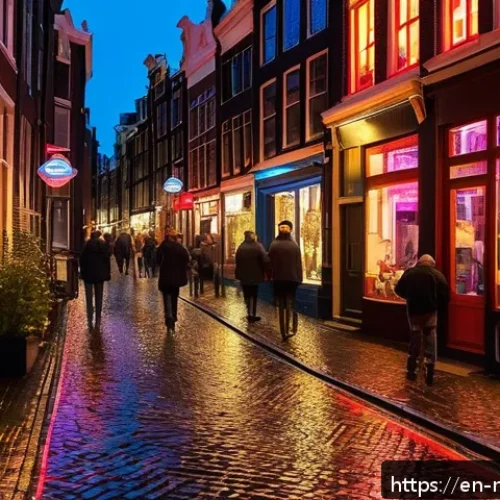
**Prompt:** A cozy Dutch "bruin café" (brown cafe) at night. Warm lighting, people laughing and talking, a table with "bitterballen" and Dutch beer. The scene should evoke "gezelligheid."

So, you’re dreaming of studying in the Netherlands, huh? Picture yourself cycling along charming canals, attending lectures in historic buildings, and maybe even sampling some delicious stroopwafels between classes.

But before you pack your bags and hop on a plane, there are a few key things you’ll need to sort out to make your Dutch study abroad a reality. From securing a student visa to finding the perfect accommodation and understanding the ins and outs of Dutch culture, the journey can seem a bit daunting at first.

Trust me, I’ve been there! Let’s dive in and figure it all out, shall we?

Okay, let’s get this blog post rolling!

Navigating the Dutch Visa Labyrinth: A Survival Guide

unlock - 이미지 1

So, the first hurdle you’ll likely face is getting your visa sorted. Now, this isn’t exactly a walk in the park, but trust me, with a little preparation, you can conquer it.

It’s essential to understand which type of visa you need, as it varies depending on your nationality and the duration of your study. For example, if you’re from outside the EU/EEA and plan to stay longer than 90 days, you’ll need a long-stay visa, often referred to as an MVV (Machtiging tot Voorlopig Verblijf).

Decoding the MVV: Your Golden Ticket

The MVV is essentially permission to enter the Netherlands. You’ll usually apply for this through the Dutch embassy or consulate in your home country.

The process involves submitting a whole bunch of documents – think passport copies, proof of acceptance from your Dutch university, proof of financial means (to show you can support yourself), and sometimes even a clean criminal record check.

I remember the sheer panic when I realized I needed an official translation of my high school diploma! Start gathering these documents well in advance, as delays are common.

The Residence Permit: Your Long-Term Buddy

Once you arrive in the Netherlands with your MVV (if required), you’ll need to apply for a residence permit. This is what allows you to legally stay and study in the Netherlands for the duration of your program.

Your university will usually guide you through this process, as they are familiar with the requirements and procedures. Be prepared for more paperwork and another fee!

It’s all part of the fun, right?

Don’t Forget the Details

* Make sure your passport is valid for at least six months beyond your intended stay. * Apply for your visa well in advance – at least a few months before your program starts.

* Keep copies of all your important documents, both digital and physical.

Hunting for Habitable Housing: From Canal Houses to Student Rooms

Finding a place to live in the Netherlands, especially in popular student cities like Amsterdam, Utrecht, or Leiden, can be a real challenge. Competition is fierce, and prices can be steep.

Start your search early and be prepared to explore various options. Don’t be afraid to think outside the box!

Student Housing: The Classic Choice

Student housing complexes are often the easiest option, especially for international students. These are usually managed by housing corporations and offer furnished rooms with shared facilities like kitchens and bathrooms.

The downside? They can be quite basic, and the waiting lists can be long. I remember desperately refreshing the housing website every day, hoping a room would become available.

Persistence is key!

Private Rentals: A Little More Independence

Renting a room or apartment privately can offer more independence and space. However, it also comes with more responsibilities, like dealing directly with landlords and paying utilities.

Be cautious of scams, especially online. Never send money to anyone without seeing the property in person or having a trusted friend check it out for you.

Alternative Options

* Consider living in a smaller city or town nearby and commuting to your university. * Explore co-living spaces, which offer a mix of private and communal living.

* Look into temporary housing options like hostels or Airbnb for your first few weeks while you search for something more permanent.

Mastering the Art of the Dutch Bank Account

Opening a Dutch bank account is essential for managing your finances while studying in the Netherlands. It’ll make it easier to pay rent, utilities, and other expenses.

Plus, some universities require you to have a Dutch bank account for tuition payments.

Which Bank to Choose?

Several major banks operate in the Netherlands, including ABN AMRO, ING, and Rabobank. Do some research to compare their fees, services, and online banking platforms.

Some banks offer special accounts for international students with reduced fees. I personally went with ING because they had a user-friendly app and English-speaking customer service.

The Paperwork Tango

Opening a bank account usually requires you to provide your passport, residence permit (or proof of application), and proof of address. You may also need a BSN (Burgerservicenummer), which is a personal identification number.

Be prepared for some paperwork and potential delays. It’s always a good idea to make an appointment in advance.

Pro-Tips

* Start the process as soon as you receive your residence permit. * Ask your university for help or recommendations. * Consider using a prepaid debit card or online payment service in the meantime.

Embracing Dutch Culture: From “Gezellig” to “Fietsen”

The Netherlands has a unique and vibrant culture that’s worth exploring. From the cozy concept of “gezellig” (a feeling of warmth and togetherness) to the ubiquitous “fiets” (bicycle), there’s a lot to discover.

Embracing Dutch culture will not only enrich your study abroad experience but also help you integrate more easily into Dutch society.

“Gezelligheid”: More Than Just Cozy

“Gezelligheid” is a Dutch word that doesn’t have a direct English translation, but it encompasses a feeling of coziness, warmth, and togetherness. It’s about creating a welcoming and comfortable atmosphere, whether it’s sharing a meal with friends, enjoying a coffee in a cozy café, or simply relaxing at home.

Embrace “gezelligheid” by inviting friends over for a potluck, decorating your room with warm lighting, or exploring local “bruin cafés” (brown cafes) for a taste of Dutch hospitality.

“Fietsen”: The Dutch Way of Life

Cycling is an integral part of Dutch culture. With its flat terrain and extensive network of bike paths, the Netherlands is a cyclist’s paradise. Invest in a good “fiets” (bicycle) and join the millions of Dutch people who cycle to work, school, and everywhere else.

Not only is it a great way to get around, but it’s also a fantastic way to explore the country and experience Dutch culture firsthand. Just be sure to learn the cycling rules of the road and invest in a good lock!

Cultural Do’s and Don’ts

* Do be punctual. Dutch people value punctuality, so arrive on time for appointments and social gatherings. * Do be direct.

Dutch people are known for their directness, so don’t be afraid to speak your mind. * Don’t be afraid to try new things. From “bitterballen” (deep-fried meatballs) to “stroopwafels” (caramel-filled waffles), Dutch cuisine is full of surprises.

Budgeting Like a Boss: Making Euros Stretch Further

Studying abroad can be expensive, so it’s essential to create a budget and stick to it. The cost of living in the Netherlands varies depending on the city, but it’s generally higher than in many other countries.

Planning and managing your finances wisely will help you make the most of your study abroad experience without breaking the bank.

Tracking Your Expenses

Start by tracking your expenses for a month or two to get a clear picture of where your money is going. Use a budgeting app, spreadsheet, or simply jot down your expenses in a notebook.

Once you know where your money is going, you can identify areas where you can cut back.

Finding Deals and Discounts

Take advantage of student discounts whenever possible. Many museums, theaters, and other attractions offer discounts for students. Look for deals on groceries, transportation, and other essentials.

Consider buying second-hand textbooks and other items to save money.

Smart Spending Habits

* Cook your own meals as much as possible. Eating out can be expensive. * Take advantage of free activities like visiting parks, museums (on free admission days), and attending free events.

* Use public transportation instead of taxis or ride-sharing services.

Level Up Your Dutch: A Crash Course in “Nederlands”

While many Dutch people speak excellent English, learning some basic Dutch phrases will greatly enhance your study abroad experience. It will help you connect with locals, navigate daily life, and gain a deeper understanding of Dutch culture.

Plus, it’s just plain fun!

Essential Phrases for Survival

Start with some essential phrases like “Hallo” (Hello), “Dankjewel” (Thank you), “Alstublieft” (Please), and “Tot ziens” (Goodbye). Learn how to ask for directions, order food, and make small talk.

Even a few basic phrases will go a long way.

Resources for Learning Dutch

There are many resources available for learning Dutch, including online courses, language exchange apps, and traditional textbooks. Consider taking a Dutch language course at your university or a local language school.

Immerse yourself in the language by watching Dutch movies and TV shows, listening to Dutch music, and reading Dutch books.

Don’t Be Afraid to Make Mistakes

The most important thing is to practice speaking Dutch as much as possible. Don’t be afraid to make mistakes. Dutch people are usually very patient and appreciative when foreigners make an effort to speak their language.

Embrace the learning process and have fun with it! Here is a table summarizing key aspects of studying in the Netherlands:

Aspect Details
Visa Requirements MVV (for stays over 90 days, non-EU/EEA), Residence Permit
Housing Student housing, private rentals, alternative options
Bank Account ABN AMRO, ING, Rabobank; requires passport, residence permit
Culture “Gezelligheid”, cycling, direct communication
Budgeting Track expenses, student discounts, cook at home
Language English widely spoken, learning Dutch enhances experience

Okay, let’s get this blog post rolling!

Navigating the Dutch Visa Labyrinth: A Survival Guide

So, the first hurdle you’ll likely face is getting your visa sorted. Now, this isn’t exactly a walk in the park, but trust me, with a little preparation, you can conquer it.

It’s essential to understand which type of visa you need, as it varies depending on your nationality and the duration of your study. For example, if you’re from outside the EU/EEA and plan to stay longer than 90 days, you’ll need a long-stay visa, often referred to as an MVV (Machtiging tot Voorlopig Verblijf).

Decoding the MVV: Your Golden Ticket

The MVV is essentially permission to enter the Netherlands. You’ll usually apply for this through the Dutch embassy or consulate in your home country. The process involves submitting a whole bunch of documents – think passport copies, proof of acceptance from your Dutch university, proof of financial means (to show you can support yourself), and sometimes even a clean criminal record check. I remember the sheer panic when I realized I needed an official translation of my high school diploma! Start gathering these documents well in advance, as delays are common.

The Residence Permit: Your Long-Term Buddy

Once you arrive in the Netherlands with your MVV (if required), you’ll need to apply for a residence permit. This is what allows you to legally stay and study in the Netherlands for the duration of your program. Your university will usually guide you through this process, as they are familiar with the requirements and procedures. Be prepared for more paperwork and another fee! It’s all part of the fun, right?

Don’t Forget the Details

  • Make sure your passport is valid for at least six months beyond your intended stay.
  • Apply for your visa well in advance – at least a few months before your program starts.
  • Keep copies of all your important documents, both digital and physical.

Hunting for Habitable Housing: From Canal Houses to Student Rooms

Finding a place to live in the Netherlands, especially in popular student cities like Amsterdam, Utrecht, or Leiden, can be a real challenge. Competition is fierce, and prices can be steep. Start your search early and be prepared to explore various options. Don’t be afraid to think outside the box!

Student Housing: The Classic Choice

Student housing complexes are often the easiest option, especially for international students. These are usually managed by housing corporations and offer furnished rooms with shared facilities like kitchens and bathrooms. The downside? They can be quite basic, and the waiting lists can be long. I remember desperately refreshing the housing website every day, hoping a room would become available. Persistence is key!

Private Rentals: A Little More Independence

Renting a room or apartment privately can offer more independence and space. However, it also comes with more responsibilities, like dealing directly with landlords and paying utilities. Be cautious of scams, especially online. Never send money to anyone without seeing the property in person or having a trusted friend check it out for you.

Alternative Options

  • Consider living in a smaller city or town nearby and commuting to your university.
  • Explore co-living spaces, which offer a mix of private and communal living.
  • Look into temporary housing options like hostels or Airbnb for your first few weeks while you search for something more permanent.

Mastering the Art of the Dutch Bank Account

Opening a Dutch bank account is essential for managing your finances while studying in the Netherlands. It’ll make it easier to pay rent, utilities, and other expenses. Plus, some universities require you to have a Dutch bank account for tuition payments.

Which Bank to Choose?

Several major banks operate in the Netherlands, including ABN AMRO, ING, and Rabobank. Do some research to compare their fees, services, and online banking platforms. Some banks offer special accounts for international students with reduced fees. I personally went with ING because they had a user-friendly app and English-speaking customer service.

The Paperwork Tango

Opening a bank account usually requires you to provide your passport, residence permit (or proof of application), and proof of address. You may also need a BSN (Burgerservicenummer), which is a personal identification number. Be prepared for some paperwork and potential delays. It’s always a good idea to make an appointment in advance.

Pro-Tips

  • Start the process as soon as you receive your residence permit.
  • Ask your university for help or recommendations.
  • Consider using a prepaid debit card or online payment service in the meantime.

Embracing Dutch Culture: From “Gezellig” to “Fietsen”

The Netherlands has a unique and vibrant culture that’s worth exploring. From the cozy concept of “gezellig” (a feeling of warmth and togetherness) to the ubiquitous “fiets” (bicycle), there’s a lot to discover. Embracing Dutch culture will not only enrich your study abroad experience but also help you integrate more easily into Dutch society.

“Gezelligheid”: More Than Just Cozy

“Gezelligheid” is a Dutch word that doesn’t have a direct English translation, but it encompasses a feeling of coziness, warmth, and togetherness. It’s about creating a welcoming and comfortable atmosphere, whether it’s sharing a meal with friends, enjoying a coffee in a cozy café, or simply relaxing at home. Embrace “gezelligheid” by inviting friends over for a potluck, decorating your room with warm lighting, or exploring local “bruin cafés” (brown cafes) for a taste of Dutch hospitality.

“Fietsen”: The Dutch Way of Life

Cycling is an integral part of Dutch culture. With its flat terrain and extensive network of bike paths, the Netherlands is a cyclist’s paradise. Invest in a good “fiets” (bicycle) and join the millions of Dutch people who cycle to work, school, and everywhere else. Not only is it a great way to get around, but it’s also a fantastic way to explore the country and experience Dutch culture firsthand. Just be sure to learn the cycling rules of the road and invest in a good lock!

Cultural Do’s and Don’ts

  • Do be punctual. Dutch people value punctuality, so arrive on time for appointments and social gatherings.
  • Do be direct. Dutch people are known for their directness, so don’t be afraid to speak your mind.
  • Don’t be afraid to try new things. From “bitterballen” (deep-fried meatballs) to “stroopwafels” (caramel-filled waffles), Dutch cuisine is full of surprises.

Budgeting Like a Boss: Making Euros Stretch Further

Studying abroad can be expensive, so it’s essential to create a budget and stick to it. The cost of living in the Netherlands varies depending on the city, but it’s generally higher than in many other countries. Planning and managing your finances wisely will help you make the most of your study abroad experience without breaking the bank.

Tracking Your Expenses

Start by tracking your expenses for a month or two to get a clear picture of where your money is going. Use a budgeting app, spreadsheet, or simply jot down your expenses in a notebook. Once you know where your money is going, you can identify areas where you can cut back.

Finding Deals and Discounts

Take advantage of student discounts whenever possible. Many museums, theaters, and other attractions offer discounts for students. Look for deals on groceries, transportation, and other essentials. Consider buying second-hand textbooks and other items to save money.

Smart Spending Habits

  • Cook your own meals as much as possible. Eating out can be expensive.
  • Take advantage of free activities like visiting parks, museums (on free admission days), and attending free events.
  • Use public transportation instead of taxis or ride-sharing services.

Level Up Your Dutch: A Crash Course in “Nederlands”

While many Dutch people speak excellent English, learning some basic Dutch phrases will greatly enhance your study abroad experience. It will help you connect with locals, navigate daily life, and gain a deeper understanding of Dutch culture. Plus, it’s just plain fun!

Essential Phrases for Survival

Start with some essential phrases like “Hallo” (Hello), “Dankjewel” (Thank you), “Alstublieft” (Please), and “Tot ziens” (Goodbye). Learn how to ask for directions, order food, and make small talk. Even a few basic phrases will go a long way.

Resources for Learning Dutch

There are many resources available for learning Dutch, including online courses, language exchange apps, and traditional textbooks. Consider taking a Dutch language course at your university or a local language school. Immerse yourself in the language by watching Dutch movies and TV shows, listening to Dutch music, and reading Dutch books.

Don’t Be Afraid to Make Mistakes

The most important thing is to practice speaking Dutch as much as possible. Don’t be afraid to make mistakes. Dutch people are usually very patient and appreciative when foreigners make an effort to speak their language. Embrace the learning process and have fun with it!

Here is a table summarizing key aspects of studying in the Netherlands:

Aspect Details
Visa Requirements MVV (for stays over 90 days, non-EU/EEA), Residence Permit
Housing Student housing, private rentals, alternative options
Bank Account ABN AMRO, ING, Rabobank; requires passport, residence permit
Culture “Gezelligheid”, cycling, direct communication
Budgeting Track expenses, student discounts, cook at home
Language English widely spoken, learning Dutch enhances experience

Wrapping Up

Studying in the Netherlands is an incredible adventure, full of unique experiences and opportunities for growth. While there are challenges along the way, from navigating the visa process to finding housing, the rewards are well worth the effort. Embrace the Dutch culture, learn a little of the language, and prepare to have an unforgettable experience!

Handy Tips and Tricks

1. Always carry your student ID for discounts and verification.

2. Join international student groups or clubs to meet people.

3. Download the NS app for train schedules and tickets.

4. Check out local markets for fresh and affordable food.

5. Invest in a good raincoat – you’ll need it!

Key Takeaways

Visa requirements depend on your nationality and length of stay.

Start your housing search early and explore all options.

Opening a Dutch bank account is essential for managing finances.

Embrace Dutch culture and learn some basic Dutch phrases.

Budget wisely to make the most of your study abroad experience.

Frequently Asked Questions (FAQ) 📖

Q: So, about that student visa… is it really as complicated as everyone says?

A: Honestly, it can feel like navigating a Dutch windmill blindfolded at first. But don’t panic! As a non-EU student, you’ll definitely need a visa (specifically, a residence permit for study).
The good news is your university will usually help you through the process. They’ll act as your sponsor. Just make sure you have all your documents in order – passport, acceptance letter, proof of sufficient funds (they want to know you can actually afford to live there!), and things like criminal record checks.
Pro-tip: start gathering these documents way in advance. I remember scrambling for my birth certificate at the last minute and almost missing the deadline!
Trust me, avoid that stress. And be prepared to pay a fee. Consider it an investment in your future stroopwafel consumption.

Q: Okay, housing. Is it true it’s like finding a unicorn in

A: msterdam? I’ve heard horror stories about student rooms the size of closets. A2: You’re not wrong!
Finding affordable student housing in popular Dutch cities can be a real challenge. It’s definitely more competitive than, say, finding a decent pub in Dublin.
My advice? Start looking immediately after you get accepted to a university. Seriously, don’t wait!
Check out the university’s housing services first. They often have partnerships with housing corporations and can offer rooms or studios. You can also explore private housing websites like Kamernet or Pararius, but be wary of scams.
If a deal seems too good to be true, it probably is. And yes, some student rooms are ridiculously small. I knew a guy whose shower was literally in his kitchen.
But hey, think of it as cozy! The key is to be persistent, proactive, and prepared to compromise. Maybe consider living a bit further from the city center to save some money – the Dutch cycling infrastructure is fantastic, so it’s a great way to get around!

Q: What’s the deal with Dutch culture? I’ve heard they’re really direct. Is it going to be a culture shock?

A: Ah, Dutch directness. It can be a bit of a surprise if you’re used to more indirect communication. They tend to say what they mean, which some people find refreshing and others find a bit blunt.
Don’t take it personally! It’s not meant to be rude, it’s just their way of being efficient and honest. I remember one time, I accidentally parked my bike in the wrong spot and got a very stern talking-to by a little old lady.
It was slightly embarrassing, but I learned my lesson! Also, the Dutch are incredibly open-minded and tolerant. They value equality and respect for others.
And they’re big on gezelligheid, which is this cozy, social atmosphere. Think candles, good food, and good company. Embrace it!
Also, learn a few basic Dutch phrases. Even just “dankjewel” (thank you) will go a long way. And be prepared to drink a lot of coffee.
The Dutch love their coffee!