Hey everyone! If you’re anything like me, you’re always on the lookout for the next big thing, especially in the lightning-fast world of technology. And let me tell you, if there’s one place that’s consistently buzzing with innovation and opportunity right now, it’s the Netherlands.
Forget just windmills and tulips; this small country has quietly, yet powerfully, established itself as a true European tech powerhouse. I’ve been keeping a close eye on their scene, and what I’ve seen is simply remarkable – from their incredibly robust digital infrastructure to a startup ecosystem that’s practically a unicorn breeding ground, attracting talent and investment globally.
We’re talking about a place where AI, cybersecurity, and deeptech aren’t just buzzwords, but tangible growth areas shaping our future. The sheer pace of digital transformation here is mind-blowing, and the government’s got their back with solid support for entrepreneurs.
It’s a blend of innovation, a highly skilled workforce, and a super collaborative environment that makes it truly special. You know, when I first started exploring this, I was genuinely surprised by how much is happening behind the scenes, beyond the big names you might already know.
This isn’t just about established giants; it’s about a whole culture built for pushing boundaries. Ready to dive into what makes the Dutch IT sector so incredibly dynamic and discover the major players driving it all?
Let’s explore exactly what’s unfolding.
The Digital Pulse: Unpacking the Netherlands’ World-Class Connectivity
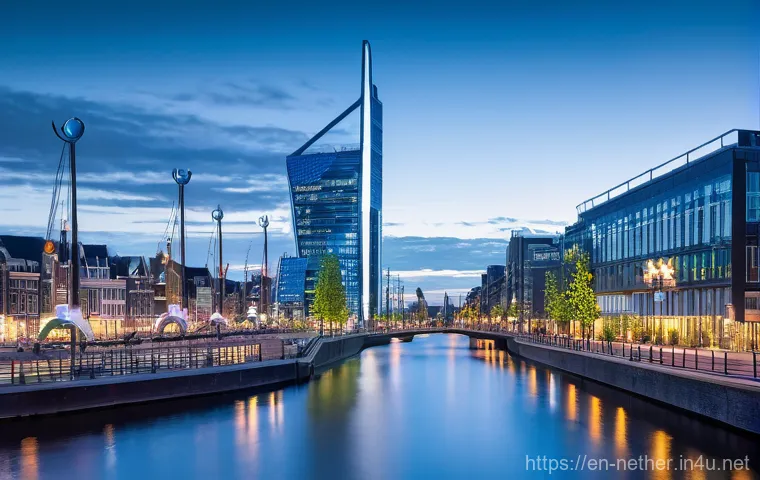
I’ve traveled a fair bit, and honestly, the Netherlands just hits different when it comes to staying connected. It’s not just fast internet; it’s a whole ecosystem built for digital excellence.
When I first visited, I was genuinely impressed by how seamlessly everything operates, from streaming my favorite shows without a hitch to hopping on video calls with crystal-clear quality.
This country isn’t just *good* at digital infrastructure; it’s practically setting the global standard. They consistently rank among the top for online connectivity, and it really shows in the day-to-day experience.
It feels like every household has access to incredibly reliable, high-speed broadband, making remote work or just staying in touch with loved ones effortless.
It’s no wonder so many international companies choose to set up their European headquarters here; the backbone is just incredibly solid, minimizing any frustrating tech hiccups that can slow down business or personal life.
It’s truly a testament to their foresight and continuous investment in the digital realm.
Unrivaled High-Speed Connections
Seriously, the broadband speeds here are some of the best in Europe, and it’s thanks to extensive fiber-optic networks crisscrossing the entire country.
We’re talking about 98% of households having a broadband connection, and a huge chunk of those are fiber-to-the-premises (FTTP). This isn’t just about downloading movies faster; it’s about enabling businesses to operate with incredible efficiency, supporting cloud computing, and facilitating real-time data processing.
The government’s digital strategy focuses on maintaining and strengthening this secure, reliable, and high-quality digital infrastructure, which really underpins their entire digital economy.
They’re also rolling out 5G, so mobile connectivity is just as impressive, ensuring you’re always connected, no matter where you are.
Europe’s Data Center Hub
What really blew me away is how the Netherlands, particularly Amsterdam, has become a massive hub for data centers. It’s a critical crossroads where numerous internet cables land, supporting an immense volume of digital services like cloud computing, data storage, and hosting.
The Amsterdam Internet Exchange (AMS-IX) is one of the largest internet exchanges globally, which means data traffic flows through here at an incredible rate, contributing to low latency and high reliability across Europe and beyond.
It’s a silent giant, powering so much of our digital world, and the Dutch are very much at the forefront of this crucial infrastructure. They even view the sustainable growth of this sector as crucial for future developments in AI and quantum computing.
Startup Nirvana: Where Unicorns Are Born and Ideas Flourish
If you’re an entrepreneur with a groundbreaking idea, the Netherlands should absolutely be on your radar. I’ve been watching this space for years, and the sheer vibrancy of their startup ecosystem is genuinely inspiring.
It’s not just about flashy pitches; it’s about a deep-seated culture of innovation and a supportive environment that helps fledgling companies grow into global powerhouses.
This isn’t just some emerging market; it’s Europe’s third-largest startup ecosystem, boasting a valuation that would make many larger economies blush.
There’s a palpable energy in cities like Amsterdam, Eindhoven, and Rotterdam, where every corner seems to be brewing with creative solutions and ambitious ventures.
I remember hearing about a small team working out of a co-working space, and a few years later, they were making headlines with a massive funding round.
That’s the kind of rapid growth and opportunity that truly defines the Dutch tech scene.
The Unicorn Breeding Ground
The Netherlands has produced some truly remarkable success stories, transforming innovative concepts into multi-billion-euro companies. Think about Adyen, the payments processing giant that started in Amsterdam and now serves global titans like Facebook and Uber.
Or Booking.com, which revolutionized online travel booking worldwide. More recently, companies like Mews (hospitality software) and DataSnipper (AI-powered accounting tools) have achieved unicorn status, raising substantial funding rounds in 2024 alone.
These aren’t isolated incidents; they’re a clear pattern, fueled by a blend of entrepreneurial spirit, access to capital, and a readiness to take calculated risks.
It’s a powerful testament to the supportive environment here.
Accelerating Innovation and Investment
The government and private sector are really stepping up to nurture this growth. There are numerous accelerators and incubators, like Rockstart and ACE Incubator, that provide crucial support, mentorship, and connections to startups, especially in cutting-edge fields like AI and health tech.
In 2024, Dutch tech companies raised over €3.7 billion, positioning the Netherlands among the top 10 countries by total investment in Europe. This consistent influx of capital, coupled with initiatives like the Startup Visa and dedicated funds, ensures that ambitious tech entrepreneurs have the resources they need to scale their ideas and compete on a global stage.
It’s a dynamic interplay between visionaries and strong financial backing that makes all the difference.
The Cutting Edge: Diving Deep into AI, Cybersecurity, and Beyond
When I look at where technology is headed, the Netherlands is consistently ahead of the curve, especially in areas that are shaping our future. I’ve seen firsthand how their commitment to R&D translates into real-world applications that are nothing short of revolutionary.
It’s not just talk; they are actively building the next generation of tech, from intelligent systems that learn and adapt to ironclad defenses against digital threats.
The sheer focus on deep tech here is something I find incredibly exciting. It feels like everyone, from university researchers to ambitious startups, is pushing the boundaries of what’s possible, and the results are truly impactful.
This dedication to advanced technologies is creating solutions that address some of the world’s most pressing challenges.
Pioneering Artificial Intelligence
The Netherlands has truly embraced AI, with a higher adoption rate by enterprises than the EU average. What’s more, the growth in demand for AI solutions is significant, shaping industries from fintech to healthcare.
I recently heard about a startup called Cyberette, which uses AI with astonishing 99.7% accuracy to detect deepfakes in video, audio, and text, helping to combat disinformation and fraud.
Another company, Vox AI, is automating drive-thrus with AI that can handle natural conversations in over 35 languages, drastically improving efficiency and customer experience.
This isn’t just about automation; it’s about intelligent systems that enhance human capabilities and solve complex problems. The country even holds 8% of Europe’s AI talent, despite its smaller population, which is truly remarkable.
Fortifying Digital Defenses with Cybersecurity
As our lives become more digital, cybersecurity becomes paramount, and the Netherlands is at the forefront of developing robust defenses. The demand for cybersecurity solutions is soaring, and the Dutch managed services market expects the cybersecurity segment to reach €3.5 billion by 2025.
Given that a significant percentage of European companies have faced cyberattacks, the focus here is on proactive, intelligent solutions. The government’s digital strategy strongly emphasizes enhancing cybersecurity, with initiatives supporting innovative projects in this crucial area.
They’re not just reacting to threats; they’re building resilient digital infrastructure designed to withstand sophisticated attacks, which makes me feel a lot more confident about the digital world we live in.
Deep Tech’s Transformative Power
Beyond AI and cybersecurity, the Netherlands is a hotbed for deep tech innovations across various fields. We’re talking about advancements in semiconductors, quantum computing, biotechnology, and advanced materials.
Companies like ASML, a global leader in semiconductor equipment, are a prime example of Dutch deep tech prowess, playing a critical role in the production of microchips worldwide.
There’s a strong collaborative spirit between research institutions like TU Delft and the Netherlands Organization for Applied Scientific Research (TNO) and the industry, fostering groundbreaking developments.
This isn’t just about incremental improvements; it’s about fundamental scientific and engineering breakthroughs that are set to redefine entire industries and solve global challenges.
Beyond the Hype: The Government’s Unwavering Support for Tech Innovators
You know, sometimes we hear about government initiatives and wonder if they actually make a difference on the ground. But in the Netherlands, I’ve seen that the government’s commitment to the tech sector is not just talk; it’s backed by concrete policies and significant investments.
It feels like they truly understand that a thriving tech ecosystem is vital for the nation’s future prosperity and competitiveness. They aren’t just creating a favorable business climate; they’re actively shaping it, providing the scaffolding for innovation to flourish.
This proactive approach makes a huge difference, especially for startups and scale-ups that need that extra boost to get off the ground and compete globally.
It’s comforting to know that there’s a strategic vision behind the country’s digital ambition.
Strategic Digital Roadmaps
The Dutch government has a comprehensive national digital strategy that covers everything from accelerating digital transition in SMEs to promoting digital innovation and skills.
They are closely aligned with the EU’s Digital Decade targets for 2030, aiming for ambitious goals in digitalization. A really impressive goal is their plan to invest 3% of the country’s GDP in research and development by 2030, with two-thirds coming from businesses and one-third from government and knowledge institutions.
This isn’t a small commitment; it’s a strategic long-term vision designed to strengthen the Netherlands’ competitive position and drive innovation, ensuring they don’t fall behind global leaders.
Fueling Innovation with Funding and Support
The government offers a range of support mechanisms, including tax benefits, innovation credits, and grants for companies developing innovative products.
They also encourage large investors, like pension funds, to invest billions in promising tech companies, recognizing the need for capital to help startups scale.
For instance, the Ministry of Economic Affairs has allocated €16.2 million in national co-financing for the Digital Europe Programme (2025–2027), which supports innovative projects in AI, data, cloud, cybersecurity, and digital skills.
This extra funding helps Dutch parties secure a larger share of European grants, further boosting their participation and strengthening the digital economy.
It’s all about creating an environment where innovative ideas can move from concept to market efficiently.
A Magnet for Minds: Why Global Talent is Flocking to Dutch Tech
One of the most striking things I’ve noticed about the Dutch tech scene is the incredible diversity of talent. You hear so many different languages spoken in the tech hubs, and it’s clear that people from all over the world are choosing the Netherlands as their professional home.
As someone who values collaboration and diverse perspectives, this is a huge draw for me. It’s not just about job opportunities; it’s about a welcoming culture and an environment that genuinely nurtures professional growth.
The fact that Dutch companies are world leaders in recruiting international tech professionals really speaks volumes. They aren’t just hiring locally; they’re casting a wide net and embracing a global workforce, which I think is a brilliant strategy for innovation.
A Highly Skilled and Diverse Workforce

The Netherlands boasts a highly educated workforce, with top-ranking universities like Delft University of Technology and Eindhoven University of Technology consistently producing skilled graduates, particularly in specialized tech domains like robotics and edge computing.
What’s also a massive advantage is the very high English proficiency across the country, which makes it incredibly easy for international talent to integrate and thrive without a language barrier.
This combination of top-tier education and linguistic accessibility creates an ideal environment for diverse teams to collaborate and innovate, fostering a rich exchange of ideas and perspectives that I believe is essential for groundbreaking tech.
Embracing Remote and Flexible Work
Dutch companies have really leaned into flexible work arrangements, offering remote and hybrid options to attract a wider pool of candidates, both domestically and internationally.
This commitment to work-life balance and adaptability is a huge draw for professionals like myself who value flexibility. In fact, more than a quarter of all Dutch companies are open to hiring anywhere in the world, which is higher than many other countries.
This forward-thinking approach not only helps address the existing staff shortages in areas like software development but also makes the Netherlands an incredibly attractive destination for global tech talent seeking fulfilling careers without rigid geographical constraints.
Giants and Game-Changers: Spotlighting the Major Players Shaping the Scene
It’s always fascinating to see how a country’s tech landscape is defined not just by its innovative startups, but also by its established giants and emerging disruptors.
The Netherlands has a fantastic blend of both, creating a dynamic ecosystem where big corporations often collaborate with nimble startups, fostering a culture of continuous evolution.
I’ve heard countless stories of how these larger entities provide stability and resources, while the smaller, more agile companies bring fresh perspectives and disruptive ideas.
It’s this symbiotic relationship that, in my opinion, creates such a fertile ground for tech development and truly shapes the future of the industry. It’s not just about one or two big names; it’s a diverse cast of characters driving progress.
Established Industry Leaders
When you talk about Dutch tech, companies like ASML immediately come to mind. They are a global powerhouse in the semiconductor industry, essential for producing the microchips that power virtually all electronic devices.
Then there’s Booking.com, which has transformed how people book accommodations worldwide. And, of course, Adyen, which has become a leading force in global payment processing.
NXP Semiconductors, another Eindhoven-based giant, is a key player in automotive, industrial, and IoT applications, constantly pushing the boundaries of what’s possible in embedded electronics.
These companies don’t just innovate; they also attract top talent and create a robust foundation for the entire tech sector.
The Next Wave of Innovators
But it’s not just the big names making waves. The Dutch scene is brimming with incredible startups and scale-ups that are rapidly gaining traction. Think about companies like Picnic, the online supermarket unicorn that delivers groceries sustainably, or Mews, which is revolutionizing hotel property management systems globally.
DataSnipper, with its AI-powered accounting tools, is another fantastic example of a Dutch company solving real-world problems with cutting-edge technology.
These innovators, often fueled by significant funding rounds and a proactive entrepreneurial culture, are the ones bringing fresh ideas to market and ensuring that the Netherlands remains at the forefront of technological advancement.
| Key Aspects of the Dutch IT Sector | Snapshot of Excellence |
|---|---|
| Digital Infrastructure Ranking | Globally Top-Tier (e.g., 2nd for online connectivity, 3rd for technological readiness) |
| Startup Ecosystem Valuation | €232 Billion (Europe’s 3rd largest) |
| Key Innovation Areas | AI, Cybersecurity, Deeptech (e.g., semiconductors, quantum) |
| Government R&D Investment Goal | 3% of GDP by 2030 |
| Talent Pool Strength | Highly skilled, high English proficiency, strong international recruitment |
| Prominent Companies | ASML, Booking.com, Adyen, NXP Semiconductors, Mews, Picnic |
Bridging Academia and Industry: The Power of Collaborative Innovation
One of the things I truly admire about the Dutch approach to tech is how seamlessly academia and industry work together. It’s not just about universities churning out graduates; it’s about a dynamic, collaborative environment where research breakthroughs quickly find their way into practical applications.
I’ve heard so many stories about professors and students working directly with companies on real-world challenges, and that kind of synergy is incredibly powerful.
This isn’t something you see everywhere, and I feel it gives the Netherlands a distinct edge in transforming cutting-edge scientific ideas into commercial successes.
It’s a testament to their pragmatic mindset and a collective belief in the power of shared knowledge.
Universities as Innovation Powerhouses
Dutch universities like Delft University of Technology (TU Delft) and Eindhoven University of Technology are not just educational institutions; they are vibrant hubs of research and innovation.
They actively contribute to a robust pipeline of skilled graduates, especially in niche and highly specialized domains like robotics, photonics, and edge computing.
These institutions are often at the forefront of developing new technologies, and their research frequently feeds directly into the startup ecosystem, providing a strong scientific foundation for new ventures.
This close link between education and industry ensures that the talent entering the workforce is not only well-educated but also practically prepared to tackle complex tech challenges.
Synergy in Research and Development
The collaboration between academic institutions, private industry, and government bodies is a cornerstone of Dutch innovation. Organizations like the Netherlands Organization for Applied Scientific Research (TNO) play a crucial role in bridging the gap between fundamental research and market application.
This creates a fertile ground for R&D, where companies like ASML and NXP Semiconductors often collaborate with startups and research labs on national innovation platforms.
This cooperative strategy, emphasized by organizations like TNO, is seen as essential for capitalizing on opportunities in rapidly developing fields like AI and quantum technologies.
It’s truly a collective effort, where shared goals lead to remarkable breakthroughs and a stronger, more competitive tech landscape.
Cultivating a Future-Proof Digital Economy: Sustainability and Resilience
What really stands out to me about the Dutch IT sector, beyond the sheer innovation, is its deep-rooted commitment to building a future-proof digital economy.
It’s not just about growth at any cost; it’s about sustainable development, resilience, and ethical considerations woven into the very fabric of their tech strategy.
I’ve always appreciated how they approach challenges with a long-term perspective, focusing on solutions that benefit society as a whole, not just immediate gains.
This proactive mindset, especially regarding environmental sustainability and digital trust, makes me incredibly optimistic about the lasting impact of their tech advancements.
It truly feels like they’re thinking several steps ahead.
Sustainability at the Core
The Netherlands is widely recognized as a leader in environmental sustainability, and this commitment extends deeply into its tech sector. There’s a strong focus on green energy, sustainable urban planning, and climate resilience, which resonates with many tech professionals and companies.
For example, the sustainable growth of the data center sector is considered crucial for the country’s impact on future technologies like AI and quantum computing, indicating a holistic approach to technological advancement that considers its environmental footprint.
It’s not just a buzzword; it’s an ingrained value that influences everything from infrastructure development to product innovation, driving cleaner and more efficient tech solutions.
Building Digital Trust and Resilience
A core principle of the Dutch digitalization strategy is that “everyone participates,” underscoring a commitment to ensuring no one is left behind in the digital transformation.
This includes strengthening digital skills across the population and reinforcing digital trust in emerging technologies like AI. The Netherlands enforces strong data protection regulations, aligning with the EU’s GDPR, which creates a secure and reliable digital environment.
Their proactive approach to responsible AI, integrating ethics and compliance from the design phase, sets a precedent for how innovation can proceed hand-in-hand with social responsibility.
This unwavering focus on trust and resilience is vital for a strong, enduring digital economy.
글을마치며
As I wrap up our deep dive into the Dutch tech landscape, I can’t help but feel incredibly energized by what I’ve seen and experienced here. It’s more than just impressive statistics; it’s a vibrant, forward-thinking community where innovation isn’t just a buzzword, but a way of life. From the lightning-fast internet that makes my remote work a breeze to the supportive ecosystem that nurtures groundbreaking startups, the Netherlands truly stands out. It’s a place where ambitious ideas find fertile ground, and diverse talents come together to shape the future. If you’re looking for a dynamic environment that truly values progress and collaboration, this little country consistently punches above its weight.
알아두면 쓸모 있는 정보
Here are a few nuggets of wisdom I’ve picked up that might come in handy if you’re considering a leap into the Dutch tech world:
1. Brush up on your English: While learning Dutch is always appreciated, the Netherlands boasts an incredibly high English proficiency. Most tech companies operate entirely in English, making it incredibly easy for international professionals to integrate. Don’t let a language barrier hold you back!
2. Networking is key: The Dutch tech community is quite interconnected. Attend local meetups, industry events, and online forums. Platforms like LinkedIn are incredibly active here for professional connections. You’ll be surprised how quickly you can build a valuable network.
3. Explore different cities: While Amsterdam is often the first city that comes to mind, don’t overlook vibrant tech hubs like Eindhoven (Brainport region, known for deep tech and semiconductors) or Rotterdam. Each city has its unique flavor and opportunities, so do your research!
4. Understand the visa process: For non-EU citizens, look into the Highly Skilled Migrant visa. Many companies are recognized sponsors, which streamlines the process significantly. The Dutch government is quite supportive of attracting international talent, so the pathways are relatively clear.
5. Embrace the work-life balance: The Dutch are known for their excellent work-life balance. Companies often offer flexible working hours and a strong emphasis on personal well-being. This isn’t just a perk; it’s a cultural value that contributes to a healthier and more productive workforce.
중요 사항 정리
As we’ve journeyed through the dynamic landscape of Dutch technology, it’s clear that the Netherlands stands as a beacon of digital innovation and progress. This nation consistently delivers world-class digital infrastructure, fostering a robust and thriving startup ecosystem that cultivates groundbreaking ideas from concept to global impact. Their proactive approach to cutting-edge fields like AI and cybersecurity, coupled with unwavering government support and strategic investments, solidifies their position at the forefront of technological advancement. Moreover, the Netherlands attracts and nurtures a highly skilled and diverse talent pool, making it a truly global hub for tech professionals. It’s a testament to their foresight and collaborative spirit, creating a future-proof digital economy built on resilience, sustainability, and trust.
Frequently Asked Questions (FAQ) 📖
Q: What makes the Netherlands such a powerhouse in the European tech scene?
A: You know, when I first started digging into the Dutch tech landscape, I was honestly blown away by how strategically they’ve positioned themselves. It’s not just one thing, but a fantastic synergy of factors that makes it a true hotspot.
For starters, their digital infrastructure is absolutely world-class; we’re talking about incredible connectivity and one of the highest internet penetration rates globally.
This isn’t just a luxury; it’s the foundation upon which everything else is built, enabling lightning-fast innovation. Then there’s the incredibly vibrant startup ecosystem.
I’ve heard it called a “unicorn breeding ground,” and it’s no exaggeration. Cities like Amsterdam, Eindhoven, and Rotterdam are buzzing with new ideas, attracting talent and investment from all corners of the globe.
And here’s where it really gets interesting: the government isn’t just watching from the sidelines. They’re actively fostering this growth with supportive policies, funding initiatives, and a clear focus on digital transformation.
This creates a truly collaborative environment where businesses, academia, and government all work together. When you combine that with a highly skilled, often multilingual workforce, you get a recipe for continuous innovation.
It’s truly a place where ideas don’t just stay ideas; they quickly become reality.
Q: Which specific tech sectors are currently experiencing the most significant growth and innovation in the Netherlands?
A: That’s a fantastic question, and one I often get asked because while “tech” is broad, specific areas truly shine here. From what I’ve observed and experienced, the Netherlands isn’t just dabbling in tech; they’re genuinely leading in several cutting-edge fields.
Artificial Intelligence (AI) is exploding, with incredible research happening at universities and innovative startups applying AI across everything from healthcare to logistics.
It’s not just theoretical; it’s practical, impactful AI. Then there’s cybersecurity, which is paramount given their advanced digital infrastructure. The Dutch are incredibly serious about protecting their digital assets, and this has led to a booming sector focused on advanced security solutions and threat intelligence.
Deeptech is another area where I’ve seen tremendous momentum. This isn’t your everyday app development; we’re talking about groundbreaking advancements in areas like quantum computing, photonics, and advanced materials.
These are the kinds of innovations that reshape industries entirely. Beyond these, their focus on sustainable technology and smart city solutions is also incredibly strong, reflecting a broader national commitment to sustainability and efficiency.
It really feels like they’re building the future, piece by piece, right before our eyes.
Q: For someone looking to get involved, what kind of opportunities exist in the Dutch tech sector, whether as an entrepreneur, investor, or job seeker?
A: If you’re eyeing the Dutch tech scene, trust me, you’re looking in the right place, regardless of your role. I’ve personally seen countless success stories from people who’ve made the leap.
For entrepreneurs, it’s a dream. The robust startup ecosystem means there’s a fantastic network of accelerators, incubators, and fellow founders. Plus, the government support I mentioned earlier translates into tangible resources and a relatively easy environment to set up and scale a business.
As an investor, you’ll find a diverse portfolio of innovative startups, particularly in those booming sectors like AI and deeptech, often with strong global potential.
The ROI here can be genuinely impressive. Now, if you’re a job seeker in tech, you’re in for a treat. The demand for skilled professionals across all tech disciplines is incredibly high, and the Dutch market is very welcoming to international talent.
English is widely spoken in professional settings, making the transition remarkably smooth. I’ve had friends move there and tell me how quickly they found amazing roles.
The quality of life is exceptional, the work-life balance is prioritized, and the innovation culture means you’re always at the forefront of what’s new.
It’s not just a job; it’s often a career move that enhances your entire lifestyle.