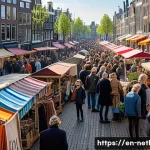
Is there anything better than experiencing a new culture, especially with your furry best friend by your side? I’ve made some incredible memories traveling with my pets, and the Netherlands consistently stands out as a truly fantastic, welcoming destination for animal lovers.
Think picturesque canals, vibrant markets, and cozy cafes – all ready to be explored with your dog or cat! However, ensuring a smooth journey for both of you means knowing the ins and outs of Dutch pet travel.
Ready to make your dream pet-friendly Dutch adventure a reality? Let’s unpack all the essential tips you’ll need for an amazing trip!
Smooth Sailing: Essential Pre-Trip Paperwork for Your Dutch Adventure

When I first started planning my trips with my beloved furry companion, the sheer volume of paperwork felt daunting. But trust me, once you’ve done it a few times, it becomes second nature, and the peace of mind it brings is absolutely priceless.
The Netherlands, like most EU countries, has some very specific requirements to ensure the health and safety of all animals, and honestly, it’s for the best.
You really don’t want to get stuck at customs or, worse, have your pet quarantined because you missed a tiny detail. I’ve learned that double-checking everything isn’t overkill; it’s smart travel.
My advice? Start early! Don’t leave this until the last minute.
Give yourself plenty of time to gather documents, visit the vet, and make sure every ‘i’ is dotted and every ‘t’ is crossed. It makes such a difference in reducing travel stress for both you and your pet.
It’s a bit like getting your own passport in order, but with extra love and care for your four-legged family member.
Microchips and Vaccinations: The Non-Negotiables
First things first, your pet absolutely needs to be microchipped with an ISO-compliant 15-digit microchip. This is non-negotiable for entry into the Netherlands and the entire EU.
It’s their permanent identification, and believe me, it’s a relief to know that if something unexpected happens, they can be easily identified. Beyond the chip, rabies vaccination is paramount.
Your pet must be at least 12 weeks old before their primary rabies shot, and then there’s a 21-day waiting period after the primary vaccination before they’re eligible to travel.
If your pet has a current, up-to-date rabies vaccination that hasn’t expired, you might not need the waiting period, but always, always confirm with your vet and the official EU regulations.
I usually set a calendar reminder for booster shots to avoid any last-minute scramble. It’s also wise to discuss other common vaccinations like distemper, parvovirus, and leptospirosis with your vet, especially considering the local wildlife and environment your pet will be exploring.
The Pet Passport and Health Certificate: Your Golden Ticket
Once the microchip and vaccinations are sorted, the next crucial step is securing an EU Pet Passport or an official Animal Health Certificate (AHC). If you’re coming from another EU country, the Pet Passport is usually all you need – it’s brilliant for seamless travel.
However, if you’re traveling from a non-EU country, you’ll need an AHC issued by an official veterinarian in your country of origin and endorsed by the competent authority (like the USDA in the US).
This certificate typically needs to be issued within 10 days of your arrival in the EU. This document is essentially proof that your pet meets all the health requirements for entry, and I can’t stress enough how important it is to have it perfectly filled out.
I once saw a traveler almost denied entry because a date was slightly off on their certificate; thankfully, it was resolved, but it was a heart-stopping moment.
Keep all original documents easily accessible, perhaps in a dedicated travel pouch.
Booking Pet-Friendly Flights: My Top Tips for a Stress-Free Journey
Choosing the right airline and understanding their specific pet policies is vital for a smooth journey. Every airline has different rules regarding pet size, breed restrictions, crate requirements, and whether your pet can fly in the cabin or cargo.
I’ve found that direct flights are always preferable to minimize stress and potential complications from layovers. When I booked my first transatlantic flight with my dog, I spent hours researching airlines and their individual guidelines.
Some airlines only allow smaller pets in the cabin if they fit under the seat in front of you, while larger dogs need to travel in a temperature-controlled cargo hold.
It’s crucial to invest in an IATA-compliant travel crate, making sure your pet is comfortable and has enough room to stand, turn around, and lie down naturally.
I always put a familiar blanket or toy in the crate to give them a sense of security. Always call the airline directly to confirm your pet’s reservation and requirements, even after booking online, because policies can change.
Navigating the Dutch Landscape: Public Transport with Your Pawsome Pal
Exploring the Netherlands is a joy, and thankfully, the public transport system is incredibly efficient. But when you’re traveling with a pet, especially a dog, there are a few extra layers of etiquette and rules to understand.
My very first ride on a Dutch train with my dog, Luna, was a learning experience. I had done my research, but actually experiencing it was different. People are generally quite tolerant and often delighted to see a well-behaved animal, but there are definitely unspoken rules, and some very explicit ones, to follow.
It’s all about being considerate of fellow passengers and ensuring everyone has a comfortable journey. Knowing the ins and outs beforehand can save you from awkward situations and make your travels much more relaxed.
After all, you want to focus on the beautiful canals and windmills, not stress about getting from point A to point B.
Train Travel with Tails: What You Need to Know
Traveling by train with your dog in the Netherlands is generally quite easy and comfortable, thanks to Nederlandse Spoorwegen (NS). Small dogs, typically those that can fit on your lap or in a small bag/basket, can usually travel for free.
For larger dogs, you’ll need to purchase a ‘Dagkaart hond’ (dog day ticket), which is a flat fee, usually around 3.40 Euros for the entire day, regardless of how far you travel.
This is an absolute bargain, in my opinion! I’ve found that even with a ticket, larger dogs must be kept on a leash and often muzzled, especially during peak hours or if they are breeds that can be perceived as imposing.
It’s always a good idea to seek out quieter carriages or travel during off-peak times if possible to give your dog more space and avoid disturbing other passengers.
I always make sure Luna has had a good walk before a train journey so she’s calm and happy to snooze.
Buses, Trams, and Metro: Navigating City Transit
When it comes to city public transport like buses, trams, and metros, the rules can vary slightly depending on the city and the specific transport company (e.g., GVB in Amsterdam, HTM in The Hague).
Generally, small pets in carriers are often allowed for free, but larger dogs are usually not permitted on buses and trams, or at the very least, are at the discretion of the driver.
The metro systems are often more lenient, sometimes allowing larger dogs with a specific ticket, similar to the train system. This is one of those areas where I always recommend checking the specific transport provider’s website for the city you’re visiting.
I learned this the hard way in Rotterdam when I assumed the bus rules would be the same as Amsterdam. A quick search on their website saved me a lot of hassle.
Always keep your dog close, on a short leash, and be ready to step off if there’s any issue.
Taxis and Ride-Shares: When Convenience is Key
For those times when public transport isn’t ideal, or if you simply prefer a more direct route, taxis and ride-sharing services are an option. However, it’s not a given that every driver will be willing to transport a pet.
I’ve had mixed experiences. My best advice here is to always call ahead or use the app’s messaging feature to inform the driver that you’ll be traveling with a pet and confirm they are okay with it.
Be prepared for a potential surcharge or for some drivers to decline the ride. I’ve found that having a clean towel or blanket to put down in the car seat can make a driver more amenable, as it shows you’re being considerate of their vehicle.
For services like Uber, look for options like Uber Pet if available in the Netherlands, though it’s not universally offered. It’s definitely worth the extra few minutes of communication to avoid any awkward situations upon arrival.
| Pet Travel Method | Common Rule/Requirement | Typical Cost (approx.) |
|---|---|---|
| Flights (in cabin) | Small pets in approved carriers under seat; weight/size limits vary per airline. | €50 – €150 (one-way) |
| Flights (cargo) | Larger pets in IATA-compliant crates; temperature/pressure controlled. | €200 – €500+ (one-way, distance dependent) |
| NS Trains (small pets) | Fits on lap or in small bag/basket. | Free |
| NS Trains (large dogs) | On leash, often muzzled; purchase ‘Dagkaart hond’. | €3.40 (day ticket) |
| Buses/Trams (city) | Small pets in carriers usually allowed; larger dogs often restricted or at driver’s discretion. | Free to minimal (carrier); larger dogs generally not allowed. |
| Metro (city) | Similar to trains; small pets free, larger dogs may require a special ticket. | Free to approx. €3.00 (depending on city/operator) |
| Taxis/Ride-Shares | Discretion of driver; always confirm in advance; pet carriers recommended. | Standard fare + potential surcharge (€5-€15) |
A Cozy Corner: Discovering Pet-Friendly Stays Across Holland
Finding the perfect place to lay your head (and your pet’s paws) is absolutely critical for a stress-free trip. When I’m planning a getaway with my dog, the accommodation is always one of the first things I lock down, because not all “pet-friendly” places are created equal.
I’ve learned through trial and error that simply seeing a paw print icon isn’t enough; you need to dig a little deeper. The Netherlands has a fantastic range of options, from charming boutique hotels to spacious holiday homes, but each comes with its own set of rules, fees, and expectations.
It’s an investment in comfort and convenience, and I’ve found that a little extra effort in research really pays off in the long run. There’s nothing worse than arriving after a long journey only to find your pet isn’t as welcome as you’d hoped.
Hotels and B&Bs: Searching Beyond the “Pet-Friendly” Label
Many hotels and B&Bs in the Netherlands proudly advertise as pet-friendly, which is a great starting point. However, it’s essential to understand the nuances.
“Pet-friendly” might mean they allow small dogs only, or that there’s a strict limit on the number of pets. There’s almost always an additional cleaning fee, which can range from a modest 10 Euros per night to a flat 50 Euro charge per stay.
I always check if there are designated pet-friendly rooms, or if they have specific floors where pets are allowed. Some places even offer pet amenities like water bowls, beds, or treats, which is a lovely touch!
I once stayed at a hotel near Utrecht that not only welcomed Luna with open arms but also had a little doggy treat waiting for her upon arrival – those are the places that truly understand pet travel.
Don’t be shy to call the hotel directly; a quick conversation can clear up any ambiguities and prevent surprises.
Holiday Homes and Apartments: The Home-Away-From-Home Vibe
For longer stays, or if you simply prefer more space and flexibility, holiday homes and apartments are often a fantastic choice. Websites like Airbnb, Booking.com, and local Dutch sites often have a good selection.
What I love about these options is the feeling of having a true home base. You usually get a kitchen, which is brilliant for preparing your pet’s meals, and often a garden or a nearby park for walks.
However, it’s even more crucial to be crystal clear about pet policies here. Many private owners have specific rules regarding pets on furniture, leaving them unattended, or even the type/size of pet allowed.
I always filter my searches specifically for “pets allowed” and then scrutinize the listing’s description and house rules. I’ve also found it’s courteous to send a message to the host introducing my pet and confirming their acceptance before booking, especially if it’s not explicitly stated.
It builds trust and ensures everyone is on the same page.
My Favorite Pet-Welcoming Spots: Personal Recommendations
Over my various trips to the Netherlands, I’ve stumbled upon some truly wonderful places that go above and beyond for pet owners. In Amsterdam, I adored a charming canal-side apartment through a local rental agency that had a small courtyard perfect for a quick morning sniff-around.
Outside the bustling cities, I’ve enjoyed several holiday parks, particularly in areas like Zeeland and Limburg, which often have dedicated pet-friendly bungalows and acres of walking trails right on their doorstep.
These parks usually have clear guidelines but are incredibly well-equipped for families with pets. One of my most memorable stays was in a cozy cottage near the Veluwe National Park; the owners had two dogs of their own and offered fantastic local tips for pet-friendly hikes.
My advice? Look for places that don’t just “tolerate” pets but genuinely welcome them. These are the stays that transform a good trip into an unforgettable one.
Dine & Discover: Enjoying Dutch Cuisine with Your Furry Foodie
Part of the joy of traveling is indulging in local flavors, and the Netherlands offers a delightful culinary scene. But what about enjoying a stroopwafel and coffee or a hearty Dutch dinner with your dog by your side?
This is where things get a little nuanced. I’ve found that the Dutch are generally quite relaxed, but restaurant and café owners have the final say. It’s a bit different from some other European countries where dogs are almost universally welcome indoors.
My approach has always been to be respectful, observe the local customs, and when in doubt, just ask. You’ll often be pleasantly surprised, especially in less formal settings, but it’s always better to be prepared.
There’s nothing worse than having to leave your pet tied up outside while you dash in for a quick bite, or worse, having to skip a lovely eatery altogether.
Cafe Culture: The Unspoken Rules of Doggy Dining
The Dutch cafe culture is vibrant and inviting, perfect for a leisurely coffee or a quick lunch. Many cafes, especially those with outdoor seating, are very welcoming to dogs.
You’ll often see water bowls readily available, and sometimes even a friendly pat from the staff. However, indoor access can be hit or miss. My rule of thumb is to always politely ask, “Mag de hond binnen?” (Can the dog come inside?).
I’ve found that smaller, well-behaved dogs in a carrier or under a table are often more easily accommodated. For larger dogs, outdoor seating is usually your safest bet, particularly if it’s a sunny day.
I’ve spent many a happy afternoon with Luna under a cafe table in Amsterdam, watching the world go by. It’s about being discreet and ensuring your pet isn’t a nuisance to other patrons.
A quiet dog is always a welcome dog, and a noisy one… well, not so much.
Restaurant Etiquette: When is it Okay to Bring Them In?
Dining at a proper restaurant with your dog requires a bit more discernment. Fancier, more upscale establishments are less likely to welcome pets inside due to hygiene regulations and the overall dining experience they aim to provide.
Casual eateries, pubs, and “eetcafés” (eating cafes) are your best bet. Again, always ask before entering. If they say yes, make sure your dog is clean, on a leash, and settled quietly under your table, out of the way of staff and other diners.
I always bring a small blanket for Luna to lie on, which helps her settle down and keeps her fur off the floor. I’ve had some fantastic experiences in more traditional Dutch brown cafes (pubs) where dogs are often considered part of the furniture, especially outside of busy meal times.
It truly highlights the laid-back Dutch attitude, but remember, discretion is always key to a positive experience.
Outdoor Seating: My Go-To for a Relaxed Meal
When the weather is cooperating, outdoor terraces are a dream come true for pet owners in the Netherlands. From bustling city squares to serene canal-side spots, you’ll find an abundance of cafes and restaurants with al fresco dining.
This is almost always a safe bet for bringing your dog along. Most establishments are perfectly fine with a well-behaved dog lying quietly next to your table.
I always ensure Luna is not blocking any walkways and has enough shade and water, especially on warmer days. This is where I’ve had some of my most cherished dining experiences with my pet – enjoying a delicious meal with the vibrant Dutch atmosphere surrounding us, and Luna happily napping at my feet.
It’s also a great way to meet other dog owners and exchange travel tips. I find that these moments, sitting outside a quaint Dutch cafe, really embody the spirit of pet-friendly travel.
Pawsitively Perfect Playgrounds: Unleashing Fun in Dutch Parks & Beaches
One of the greatest joys of traveling with my dog is discovering new places for them to run, sniff, and simply be a dog. The Netherlands, with its stunning natural landscapes and well-maintained urban green spaces, is an absolute paradise for pets who love the outdoors.
From expansive national parks to charming city gardens and windswept beaches, there’s no shortage of places where your furry friend can let loose and explore.
I’ve spent countless hours wandering through these beautiful environments with Luna, and these experiences have created some of our most treasured memories.
It’s truly a delight to see her revel in new scents and sights, whether it’s chasing seagulls on the beach or playfully bounding through autumn leaves in a forest.
It’s a fundamental part of keeping them happy and healthy during your travels.
Urban Green Spaces: City Parks Where Dogs are Welcome
Even in bustling cities like Amsterdam, Rotterdam, and Utrecht, you’ll find numerous parks and green spaces that welcome dogs. Vondelpark in Amsterdam, for instance, is iconic, and while there are some areas where dogs need to be leashed, there are also designated off-leash zones where they can run freely.
I always make sure to check local signage within parks, as rules can vary even within the same park. Many smaller neighborhood parks also often have areas where dogs can play.
It’s a wonderful way to give your dog a much-needed stretch and burn off some energy after a day of sightseeing. I’ve found that Dutch dog owners are generally very responsible, picking up after their pets, and this contributes to the parks remaining beautiful and accessible for everyone.
Don’t forget your poop bags; it’s a legal requirement and good etiquette!
Coastal Adventures: Exploring the Dutch Beaches with Your Pooch
The Netherlands boasts a beautiful coastline, and many beaches are incredibly dog-friendly, especially outside of peak season. During the summer months (typically April/May to October), some beaches have restrictions, meaning dogs are only allowed on certain sections or during specific hours (e.g., early morning or late evening).
However, from October to April, many beaches become entirely dog-friendly, offering vast stretches for your dog to run, dig, and splash in the North Sea.
Popular spots like the beaches of Scheveningen (The Hague), Zandvoort, and Bloemendaal aan Zee often have designated areas or off-season allowances. I absolutely adore watching Luna race along the sand, feeling the wind in her fur.
It’s an exhilarating experience for both of us. Just be mindful of local signs, and always keep an eye on the tides and any potential wildlife.
Countryside Rambles: Discovering Scenic Trails
Beyond the cities and beaches, the Dutch countryside offers an incredible network of walking and hiking trails, perfect for exploring with your dog. National parks like Hoge Veluwe National Park or Utrechtse Heuvelrug National Park are stunning and provide endless opportunities for long walks.
While some areas within these parks might require dogs to be leashed to protect wildlife (and sometimes have an entrance fee, which might include a small charge for dogs), many pathways allow for more freedom.
I’ve spent whole days simply wandering through forests, across heathlands, and along picturesque riversides, with Luna happily trotting beside me. It’s a truly immersive experience, connecting with nature and enjoying the tranquility away from the urban hustle.
Always carry plenty of water for both of you, and check for any specific park regulations regarding pets before you set off.
Staying Healthy & Happy: Vet Care and Emergencies Abroad
Even with the best planning, sometimes unexpected things happen when you’re traveling. One of my biggest anxieties before my first international trip with Luna was, “What if she gets sick?” It’s a valid concern, and being prepared for pet health emergencies in a foreign country is paramount.
The good news is that the Netherlands has an excellent standard of veterinary care, with highly trained professionals and well-equipped clinics. Knowing where to go and what to do if an issue arises can make all the difference between a stressful ordeal and a manageable situation.
I’ve learned that a little proactive research goes a long way in ensuring peace of mind for both me and my beloved travel companion. After all, their well-being is our top priority.
Locating a Vet: Preparedness is Your Best Friend
Before I even leave home, I always do a quick search for veterinary clinics in the areas I plan to visit. I jot down the names, addresses, and phone numbers of at least two or three clinics, including any emergency vet services, and save them on my phone.
Online search tools and Google Maps are your best friends here. You can look for “dierenarts” (veterinarian) or “dierenkliniek” (animal clinic) in Dutch.
Many Dutch vets speak excellent English, which significantly eases communication during a stressful time. I’ve had to visit a vet once in a small town near Maastricht for a minor paw injury Luna sustained, and the experience was incredibly professional and reassuring.
Don’t hesitate to ask your accommodation host or a local for recommendations if you need an urgent referral; they often have great local knowledge.
Common Pet Ailments: What to Watch Out For
While the Netherlands is a relatively safe country for pets, it’s good to be aware of common ailments or hazards. Ticks and fleas are always a possibility, especially after walks in wooded or grassy areas, so ensure your pet is up-to-date on their preventative treatments.
I always pack a tick remover tool in my pet first-aid kit. Canine infectious diseases are generally well-controlled due to high vaccination rates, but keep an eye on your dog’s interactions with unknown dogs, especially in busy parks.
Watch out for any changes in appetite, energy levels, or bathroom habits, as these can be early signs of illness. Also, be mindful of local plants; some can be toxic if ingested.
I always try to keep Luna away from unfamiliar plants, just to be safe. It’s all about observation and quick action if something seems amiss.
Pet Insurance: A Small Investment for Big Peace of Mind
I cannot stress enough the importance of having good pet insurance, especially when traveling internationally. A foreign vet visit can be costly, and unexpected medical bills can quickly put a damper on your travel budget.
Before my trips, I always check if my existing pet insurance policy offers international coverage or if I need to purchase a separate travel add-on. Some policies have geographical limits or specific exclusions, so reading the fine print is crucial.
Even if your pet is perfectly healthy, having that safety net in place for emergencies – whether it’s a sudden illness or an accident – is worth every penny.
It allows you to focus on your pet’s recovery rather than worrying about the financial implications. Think of it as travel insurance for your furry family member; it’s a small upfront cost for immense peace of mind.
Shopping & Souvenirs: Treating Your Pet the Dutch Way
One of the fun parts of any trip is finding unique souvenirs and treats, and traveling with a pet is no different! I always make it a point to seek out local pet stores or markets to see what kind of goodies I can find for Luna.
It’s a lovely way to bring a little piece of the Netherlands back home for her, and it also gives you a glimpse into the local pet culture. The Dutch are quite fond of their pets, and you’ll find a decent selection of quality products.
From gourmet treats to quirky toys, there’s usually something special to discover. It’s more than just shopping; it’s about extending the travel experience to your furry friend and showing them some extra love for being such a wonderful travel companion.
Plus, who doesn’t love browsing a new pet shop?
Local Pet Stores: Finding Unique Treats and Toys
You’ll find pet stores (“dierenwinkel” in Dutch) in almost every town and city across the Netherlands. These range from smaller, independent boutiques to larger chain stores.
I always gravitate towards the independent shops because they often carry unique, locally-sourced treats or artisanal toys that you won’t find anywhere else.
I’ve discovered some fantastic, all-natural Dutch dog biscuits and durable chew toys that Luna absolutely adores. The staff are usually very knowledgeable and happy to offer advice, even if there’s a slight language barrier.
It’s a great opportunity to pick up something truly special that reflects the local culture. Plus, it’s a good way to replenish any supplies you might be running low on, rather than frantically searching for a generic supermarket brand.
Essential Supplies: What to Pack and What to Buy Locally
When packing for your pet, I always recommend bringing enough of their regular food for at least the first few days, plus any specific medications. This prevents any sudden dietary changes or stress.
However, many other essentials can easily be purchased locally. Pet stores in the Netherlands stock a wide range of high-quality dry and wet food brands, bowls, leashes, collars, and grooming supplies.
If your pet has a very specific dietary requirement, it’s worth researching local availability beforehand. I typically pack a collapsible water bowl, a favorite blanket, and a few familiar toys to make Luna feel at home, but I’m open to buying things like extra treats or a new ball once we arrive.
It saves space in your luggage and gives you an excuse to explore local shops.
Dutch Delights: Pet-Friendly Souvenirs to Bring Home
Beyond the standard treats and toys, you might find some fun, uniquely Dutch pet souvenirs. Think about a collar with a Delft blue pattern, or a quirky windmill-shaped dog biscuit cutter (if you’re into baking for your pet!).
Many tourist shops, while not primarily pet stores, might have small novelty items like keychains with dog breeds or small decorative wooden clogs that could make a funny photo op with your pet.
I once found a charming, hand-knitted dog sweater in a market in Utrecht that was just perfect for Luna on a chilly morning walk. These small finds not only make for great memories but also serve as tangible reminders of your incredible pet-friendly adventure in the beautiful Netherlands.
It’s a wonderful way to extend the joy of your trip long after you’ve returned home.
Closing Thoughts
And there you have it, fellow pet parents! Bringing your beloved companion on an adventure to the Netherlands truly is an enriching experience, making every canal stroll and park visit twice as special.
Yes, the paperwork and planning might seem a bit much at first, but I promise you, the joy of sharing new memories with your furry friend in such a beautiful country is absolutely worth every single step.
It’s all about preparation, patience, and a whole lot of love. So pack those bags, grab that leash, and get ready for some unforgettable Dutch memories with your best pal!
Useful Information to Know
1. Always start your planning with the essentials: ensure your pet has an ISO-compliant microchip and is up-to-date on their rabies vaccination, observing the 21-day waiting period if it’s their primary shot. These are non-negotiable entry requirements for the Netherlands and the entire EU, so double-checking these details with your vet well in advance can save you a world of stress. It’s the very first step in making sure your pet’s journey is compliant and smooth from the get-go.
2. Secure either an EU Pet Passport (if traveling from within the EU) or an Animal Health Certificate (AHC) if coming from a non-EU country. Remember, the AHC has a strict 10-day validity window for entry into the EU, so timing your vet appointment perfectly is crucial. This document is your pet’s official clearance, proving they meet all health requirements, and having it accurately completed and easily accessible is paramount.
3. Thoroughly research and understand your chosen airline’s specific pet policies regarding in-cabin vs. cargo travel, crate dimensions, and breed restrictions. These rules vary widely, and a quick call to the airline after booking, and even again closer to your travel date, can prevent last-minute complications or heartbreak at the airport. Opting for direct flights whenever possible can also significantly reduce stress for your pet, making the journey much more comfortable.
4. When navigating public transport in the Netherlands, be aware that rules can differ between trains, buses, trams, and metro systems, and even by city. While small pets in carriers are often free, larger dogs typically require a ‘Dagkaart hond’ for trains and might be restricted or at the driver’s discretion on city buses and trams. Always check the specific transport provider’s website for the city you’re visiting to avoid surprises and ensure a hassle-free commute for you and your companion.
5. For accommodations and dining, never assume “pet-friendly” means universally accepting of all pets or without fees. Always call hotels or message holiday home hosts directly to confirm their specific pet policies, including any size limits, additional charges, or restrictions. Similarly, for cafes and restaurants, especially for indoor seating, politely ask if your dog is welcome. Being proactive and respectful of local customs will make these experiences much more pleasant for everyone involved.
Important Points to Remember
In a nutshell, successfully traveling with your pet to the Netherlands boils down to meticulous planning and a respectful attitude. From getting all your health documents in order well ahead of time to understanding local transport rules and pet-friendly venues, every detail contributes to a stress-free adventure. Embrace the journey, be flexible, and most importantly, cherish every moment exploring this beautiful country with your loyal companion by your side.
Frequently Asked Questions (FAQ) 📖
Q: What are the absolute must-have documents and vaccinations to bring my pet into the Netherlands, especially if I’m coming from outside the EU?
A: Oh, this is the big one, and it’s where a lot of pet parents get tripped up if they’re not prepared! From my own travels, I’ve learned that getting your paperwork in order before you even think about booking flights is key to a stress-free entry.
For our non-EU friends, it’s a bit more involved than for those traveling within Europe, but totally manageable. First and foremost, your pet needs a microchip.
This isn’t just any microchip; it absolutely must be an ISO-compliant 15-digit microchip, and here’s the kicker: it needs to be implanted before any rabies vaccinations are given.
Seriously, double-check that order with your vet! If your pet already has a non-ISO chip, you’ll either need to carry your own scanner or get a second ISO-compliant one implanted.
Trust me, you don’t want any surprises at customs. Next up is the rabies vaccination. Your furry friend must be at least 12 weeks old to receive their primary rabies shot, and then there’s a mandatory waiting period of at least 21 days after vaccination before they can travel.
This vaccination needs to be current and recorded on their official health certificate. Now for the heavy-hitter document: if you’re coming from outside the EU, your pet will need an EU Veterinary Health Certificate.
This isn’t something you can just download and fill out yourself; it needs to be issued by an accredited veterinarian in your home country and then endorsed by your country’s official authority (like the USDA in the US) within 10 days of your pet’s arrival in the EU.
This certificate is valid for onward travel within the EU for up to four months, which is super handy if you plan to explore beyond the Netherlands. If you’re traveling from a country deemed high-risk for rabies, there’s an additional step: a rabies antibody titer test.
This blood test measures your pet’s antibody levels and must be done at least 30 days after their rabies vaccination, but here’s the challenging part – you then need to wait a minimum of three calendar months from the date the blood sample was taken before you can travel.
This means careful planning is essential! Finally, always carry an Owner’s Declaration form, confirming your pet is traveling for non-commercial reasons.
And remember the “5-day rule”: generally, you or a designated person must travel within five days of your pet for it to be considered a non-commercial move.
If not, stricter commercial regulations apply, and believe me, you want to avoid that hassle and cost if possible! While there are no broad breed bans for entry into the Netherlands for typical companion dogs, it’s always wise to check official sources for any specific restrictions on exotic hybrids like wolfdogs.
My best advice? Start this process well in advance – like months ahead – to avoid any last-minute panic.
Q: Once my pet and I are in the Netherlands, how easy is it to get around using public transportation? Do I need special tickets for my dog?
A: Oh, you’re in for a treat! The Netherlands is surprisingly pet-friendly when it comes to public transport, which is a huge relief when you’re exploring a new place with your best friend.
From my personal experience, it’s one of the easiest countries I’ve traveled in with my dog. Generally, pets are welcome on most buses, trams, and metro services.
If you have a small dog that can comfortably fit in a carrier or sit on your lap, they usually ride for free! It’s such a lovely perk, saving you a few euros here and there.
Just make sure they’re either contained or on a short leash to be considerate of other passengers. For larger dogs, things are a little different, especially on the national trains (NS).
You’ll need to purchase a “Day Ticket Dog” for them. It’s a small fee, typically around €3.50, and it’s valid for the entire day, no matter how many journeys you make.
You can easily grab this ticket from an NS ticket machine or service desk at the station. For buses, your larger dog can often travel for free as long as they’re on a leash and don’t occupy a seat.
However, I’ve found that bus drivers can refuse entry if the bus is too crowded, so keep an eye out during peak hours. A little pro tip: while muzzles aren’t always strictly required (especially for well-behaved dogs), it’s never a bad idea to carry one for larger dogs, just in case a driver or conductor asks, or if you find yourself in a very crowded situation.
Also, keep your dog on a leash at all times on public transport. As for payment, the OV-chipkaart is the standard public transport card, but honestly, for visitors, I’ve found OVpay (tapping your debit or credit card directly) to be incredibly convenient.
You just tap to check in when you board and tap to check out when you exit, and it calculates the fare automatically. It saves you the hassle of buying a separate card and managing its balance.
Just make sure you use a card that’s compatible for international payments, as Dutch debit cards are often preferred.
Q: What kind of pet-friendly accommodations and activities can I expect in the Netherlands?
A: re there any hidden gems for dog owners? A3: This is where the real fun begins! The Netherlands truly rolls out the welcome mat for pets, and you’ll find an amazing variety of places where you and your furry companion can feel right at home.
When it comes to accommodations, you’ll be pleasantly surprised. Major hotel chains like Marriott, Kimpton, and even some unique boutique hotels in Amsterdam are wonderfully pet-friendly, with many offering amenities like pet beds, bowls, and even special treats upon arrival.
Some might have a small fee, others welcome pets completely free of charge. I always recommend checking out sites like BringFido or even Airbnb, which has a fantastic filter for pet-friendly rentals, giving you everything from cozy canal-side apartments to charming countryside cottages.
Now, for activities, the possibilities are endless! The Dutch love their green spaces, and you’ll find incredible parks perfect for a stroll or a good run.
Amsterdam’s Vondelpark, for instance, is a classic – it’s huge, vibrant, and even has designated off-leash areas where your dog can burn off some energy.
Just outside Amsterdam, the Amsterdamse Bos is another absolute gem, offering vast off-leash areas, forests, and even lakes for a splash! Beyond the cities, the Netherlands boasts stunning natural reserves.
I’ve had some of my most memorable walks with my dog through places like the Loonse & Drunense Duinen, which feels like a mini-desert with its expansive sand dunes mixed with forests.
Just be mindful that in most national parks, dogs need to be on a leash to protect wildlife, but there are always clear signs indicating the rules. And who can forget the beaches?
Many Dutch beaches, like those near Scheveningen, Zandvoort, and Noordwijk, are incredibly dog-friendly, especially during the off-peak season (roughly October to May) when dogs can often roam freely off-leash.
During summer, there might be restricted areas or leash rules, so always check local signage. My dog absolutely loved romping in the sand and chasing waves – it’s pure joy!
Even some cultural experiences can include your pet! Many outdoor cafes and even some shops are happy to welcome well-behaved dogs, often offering a bowl of water before you even get your own drink.
You might even find pet-friendly canal tours in Amsterdam, which is a fantastic way to see the city from a different perspective with your companion right by your side.
The key is always to look for local signs, keep your dog on a leash where required, and always, always clean up after them. The Dutch really appreciate a responsible pet owner!