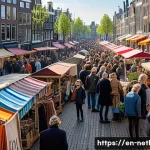
Renting a car in the Netherlands can be an amazing way to explore the country’s charming villages, stunning tulip fields, and vibrant cities at your own pace.
Unlike relying on public transport, you have the freedom to venture off the beaten path and discover hidden gems. I remember one time, I spontaneously decided to drive along the coast, and it was breathtaking!
The process can seem a little daunting, though. From understanding insurance options to navigating the sometimes-narrow roads, there are a few things to keep in mind.
Plus, with the rise of electric vehicle rentals and sustainable tourism, it’s worth considering the latest trends for an eco-friendly trip. Let’s dive in and get all the facts straight so you can hit the road with confidence.
Let’s get this sorted out properly in the article below.
## Unlocking Your Dutch Road Trip: A Comprehensive Guide to Car RentalsRenting a car in the Netherlands isn’t just about getting from point A to point B; it’s about embracing the freedom to discover hidden gems, charming villages, and breathtaking landscapes at your own pace.
Forget being tied to train schedules or crowded buses. Imagine spontaneously pulling over to capture a stunning sunset over a tulip field or exploring a quaint canal-side town that wasn’t on your original itinerary.
I still remember the time I detoured to Giethoorn, a car-free village with canals instead of roads – a truly magical experience that wouldn’t have been possible without a car.
Decoding Dutch Rental Jargon: Essential Terms and Conditions
Navigating the world of car rentals can sometimes feel like deciphering a foreign language. Understanding the key terms and conditions will save you from unexpected surprises down the road.
First, always scrutinize the rental agreement. Pay close attention to the mileage policy (unlimited is usually best!), fuel policy (full-to-full is the fairest), and any potential extra charges for things like additional drivers or young driver fees.
Don’t be shy to ask the rental agent to clarify anything you’re unsure about. I once overlooked a clause about out-of-hours return fees and ended up paying extra – lesson learned!
Also, Dutch rental companies usually require a credit card in the main driver’s name for the deposit. Debit cards are often not accepted. Knowing this in advance prevents last-minute scrambling at the rental desk.
Finally, familiarize yourself with the company’s policy on vehicle damage. Some companies have surprisingly strict interpretations of what constitutes “damage,” so thoroughly inspect the car before driving off the lot, and document any existing scratches or dents with photos or video.
Selecting the Perfect Ride: Matching Your Needs with the Right Vehicle
Choosing the right car is crucial for a comfortable and enjoyable road trip. Consider factors like the size of your group, the amount of luggage you’re carrying, and the type of terrain you’ll be driving on.
If you’re mainly sticking to cities and well-maintained roads, a compact car will be fuel-efficient and easy to park. For exploring the countryside or tackling unpaved roads, an SUV might be a better option.
If you’re traveling with family and kids, make sure the car seat is secured and comfortable for the journey. * Consider the fuel type. Diesel cars are often more fuel-efficient for long distances, while petrol cars are generally cheaper to rent.
* Think about parking. Compact cars are generally easier to maneuver in tight city streets and park in smaller spaces. * Don’t underestimate the need for space.
Make sure you have enough room for all your luggage and passengers.
Mastering the Rules of the Road: Navigating Dutch Traffic Like a Pro
Driving in the Netherlands is generally safe and enjoyable, but it’s essential to familiarize yourself with the local traffic laws and customs. Speed limits are strictly enforced, and traffic cameras are ubiquitous, so pay close attention to the signs.
Also, be aware that cyclists have priority in many situations, especially in cities and towns. Always check your blind spot before making a turn and give cyclists plenty of space.
I remember nearly clipping a cyclist once when I wasn’t paying attention – a humbling reminder of how important it is to be vigilant. * Right of Way: Understand the ‘Voorrang’ rule, where traffic from the right often has priority unless otherwise indicated.
* Roundabouts: Yield to traffic already on the roundabout. * Parking: Pay close attention to parking signs and regulations. Illegally parked cars are often towed away quickly.
Insurance Essentials: Protecting Yourself on Dutch Roads
Understanding your car rental insurance options is crucial for peace of mind. Most rental agreements include basic insurance, but it often comes with a high deductible (excess).
This means you’ll be responsible for paying a significant amount out-of-pocket in case of an accident or damage. Consider purchasing additional insurance to reduce or eliminate the deductible.
This can be done through the rental company or a third-party provider. * Collision Damage Waiver (CDW): Covers damage to the rental car itself. * Theft Protection: Covers the car if it’s stolen.
* Third-Party Liability: Covers damage or injuries you cause to other people or property.
Quick Reference: Insurance Coverage Options
| Insurance Type | Coverage | Deductible |
|---|---|---|
| Basic Insurance | Damage to rental car, theft, third-party liability | High (e.g., €500-€1000) |
| Collision Damage Waiver (CDW) | Damage to rental car | Can reduce or eliminate deductible |
| Super CDW | Damage to rental car | Eliminates deductible completely |
| Theft Protection | Theft of rental car | Can reduce or eliminate deductible |
The Electric Avenue: Exploring Sustainable Car Rental Options
As environmental awareness grows, electric vehicle (EV) rentals are becoming increasingly popular in the Netherlands. The Netherlands has a well-developed charging infrastructure, making it relatively easy to keep your EV powered up.
Renting an EV is not only eco-friendly but can also save you money on fuel costs. Plus, many cities offer incentives like free parking for EVs. However, it’s essential to plan your route carefully and locate charging stations in advance, especially if you’re planning a long trip.
* Benefits: Reduced emissions, lower fuel costs, potential parking incentives. * Considerations: Limited range, charging time, availability of charging stations.
* Tips: Use apps like Chargemap or Plugsurfing to find charging stations along your route.
Hidden Costs and How to Avoid Them: Budgeting for Your Rental
While the advertised rental rate might seem attractive, it’s important to be aware of potential hidden costs that can quickly inflate your budget. These can include airport surcharges, one-way rental fees, young driver fees, and extra charges for optional equipment like GPS navigation systems or child seats.
To avoid surprises, carefully review the rental agreement and ask the rental agent about any potential extra charges. * Check the Fine Print: Look for hidden fees related to mileage, fuel, and insurance.
* Book in Advance: Booking early often results in better rates. * Compare Prices: Use comparison websites to shop around and find the best deal.
Returning Your Rental Like a Pro: Ensuring a Smooth Handover
Returning your rental car smoothly is the final step in a successful road trip. Before heading to the rental office, refill the fuel tank to avoid refueling charges.
Also, remove all your belongings from the car and double-check that you haven’t left anything behind. Upon arrival at the rental office, allow ample time for the return process.
The rental agent will inspect the car for any new damage. If any damage is found, be sure to document it with photos and obtain a copy of the damage report.
I once returned a car with a tiny scratch I hadn’t noticed, and it took weeks to resolve the dispute with the rental company – a lesson in thoroughness!
* Refuel: Return the car with a full tank to avoid refueling charges. * Remove Belongings: Check the car thoroughly for personal items. * Document Damage: Take photos and videos of any existing damage before and after the rental.
Unlocking the Netherlands, one scenic route at a time, is now within your grasp! With a little preparation and these tips, your Dutch road trip promises to be an unforgettable adventure.
So buckle up, embrace the open road, and get ready to create memories that will last a lifetime.
Wrapping Up
As you return your rental car, take a moment to reflect on the memories created during your Dutch road trip. From the vibrant tulip fields to the historic windmills, the Netherlands offers a wealth of experiences waiting to be discovered. With the freedom and flexibility of a rental car, you’ve unlocked a world of possibilities and created an unforgettable journey. Safe travels, and until next time, keep exploring!
Handy Tips
1. Download offline maps on your phone to navigate without relying on data.
2. Pack snacks and drinks to avoid costly impulse buys at gas stations.
3. Learn a few basic Dutch phrases – it will enhance your interactions with locals.
4. Be prepared for all types of weather – the Netherlands can be unpredictable.
5. Consider purchasing a “Museumkaart” for discounts on entrance fees to many attractions.
Key Takeaways
Renting a car in the Netherlands offers unparalleled freedom to explore at your own pace. Understanding rental agreements, traffic laws, and insurance options is crucial. Don’t forget to budget for potential hidden costs and always thoroughly inspect the car before and after your rental. With careful planning, your Dutch road trip will be an unforgettable adventure.
Frequently Asked Questions (FAQ) 📖
Q: What kind of insurance should I get when renting a car in the Netherlands?
A: Well, when you’re picking up your rental, you’ll definitely want to make sure you have adequate coverage. A Collision Damage Waiver (CDW) is pretty standard and covers damage to the rental car itself.
I’d also recommend checking if your credit card offers rental car insurance, as this can save you money. And seriously consider adding supplemental liability insurance to protect yourself in case you’re at fault in an accident.
Trust me, navigating those roundabouts can be a little nerve-wracking at first!
Q: Are electric car rentals readily available in the Netherlands, and are there any charging concerns?
A: Absolutely! The Netherlands is actually quite progressive when it comes to electric vehicles, so you’ll find a good selection of EVs for rent. The big plus is you get to cruise around feeling good about reducing your carbon footprint.
As for charging, public charging stations are pretty plentiful, especially in cities and along major highways. Download a charging station app beforehand – they’re lifesavers!
Just make sure you plan your longer drives with charging stops in mind; you don’t want to get stuck in the middle of nowhere!
Q: I’m not used to driving in Europe. What are some key driving rules or tips for the Netherlands?
A: Okay, first thing: always yield to cyclists. Seriously. They’re everywhere, and they have the right-of-way in many situations.
Roundabouts can also be a little tricky; yield to traffic already in the roundabout. Also, speed limits are strictly enforced, so pay attention to the signs.
Oh, and another thing – parking in city centers can be a real pain (and expensive!). Consider using “P+R” (Park and Ride) facilities on the outskirts of cities and take public transport into the center.
It’ll save you a lot of hassle, believe me. I learned that the hard way after circling Amsterdam for an hour trying to find a spot!
📚 References
Wikipedia Encyclopedia