Okay, here’s the blog introduction about the most famous lighthouse in the Netherlands, following all your specific instructions. The Netherlands, a land sculpted by water, naturally boasts some incredibly picturesque lighthouses.
Standing tall against the often moody North Sea sky, these beacons have guided sailors for centuries, becoming iconic symbols of Dutch resilience and maritime history.
More than just functional structures, they’re living monuments, whispering tales of daring voyages and perilous storms. Having seen a few myself during a recent trip, I can attest to their captivating presence and the sense of history they evoke.
And as AI-powered navigation becomes more prevalent, some experts suggest these historical landmarks might even see a resurgence in tourism, offering a tangible connection to the past in an increasingly digital world.
Let’s delve deeper and discover exactly which lighthouse holds the crown as the most famous! Let’s find out more in the article below!
Alright, here’s the main content for the blog post about the most famous lighthouse in the Netherlands, formatted as requested:
Exploring the Allure of Dutch Coastal Beacons: A Maritime Journey
Dutch lighthouses, those stoic sentinels of the coast, have always held a certain fascination for me. Maybe it’s the way they stand defiant against the crashing waves, or perhaps it’s the promise of adventure and faraway lands that they seem to whisper on the wind. Regardless, these structures are more than just navigational aids; they’re integral to the Dutch identity, symbolizing resilience, innovation, and a deep connection to the sea. On my recent trip, I was struck by how each lighthouse seemed to have its own distinct character, shaped by its unique location and history. It’s not just about snapping a photo – it’s about feeling the sea spray on your face and imagining the countless sailors who relied on that beam of light to guide them home.
Unraveling the Historical Significance
Lighthouses played a crucial role in the Netherlands’ maritime history, especially during the Golden Age when Dutch ships dominated global trade routes. These beacons were essential for safe navigation through the shallow and treacherous waters of the North Sea. Early lighthouses were often simple affairs, little more than fires lit on elevated platforms. Over time, they evolved into the sophisticated structures we see today, incorporating innovative technologies like Fresnel lenses and automated lighting systems.
Architectural Marvels and Engineering Feats
Beyond their practical function, Dutch lighthouses are also architectural marvels. Many were designed by renowned engineers and architects, showcasing innovative construction techniques and a keen understanding of the marine environment. From the elegant curves of the Lange Jaap to the robust design of the Westerschouwen lighthouse, each structure reflects a unique blend of form and function. The materials used, often brick or stone, were carefully chosen to withstand the harsh coastal conditions, ensuring these landmarks would endure for generations.
Personal Reflections: The Lighthouse Effect
There’s something profoundly calming about being near a lighthouse. It’s like having a steadfast friend standing watch, offering a sense of security and direction. I remember one evening, standing on the Zeeland coast, the beam of the lighthouse rhythmically sweeping across the dark water. It was a simple yet powerful reminder of human ingenuity and the enduring connection between land and sea. That moment, more than any history book, brought home the importance and beauty of these coastal guardians.
Delving into the De Ven Lighthouse: A Case Study
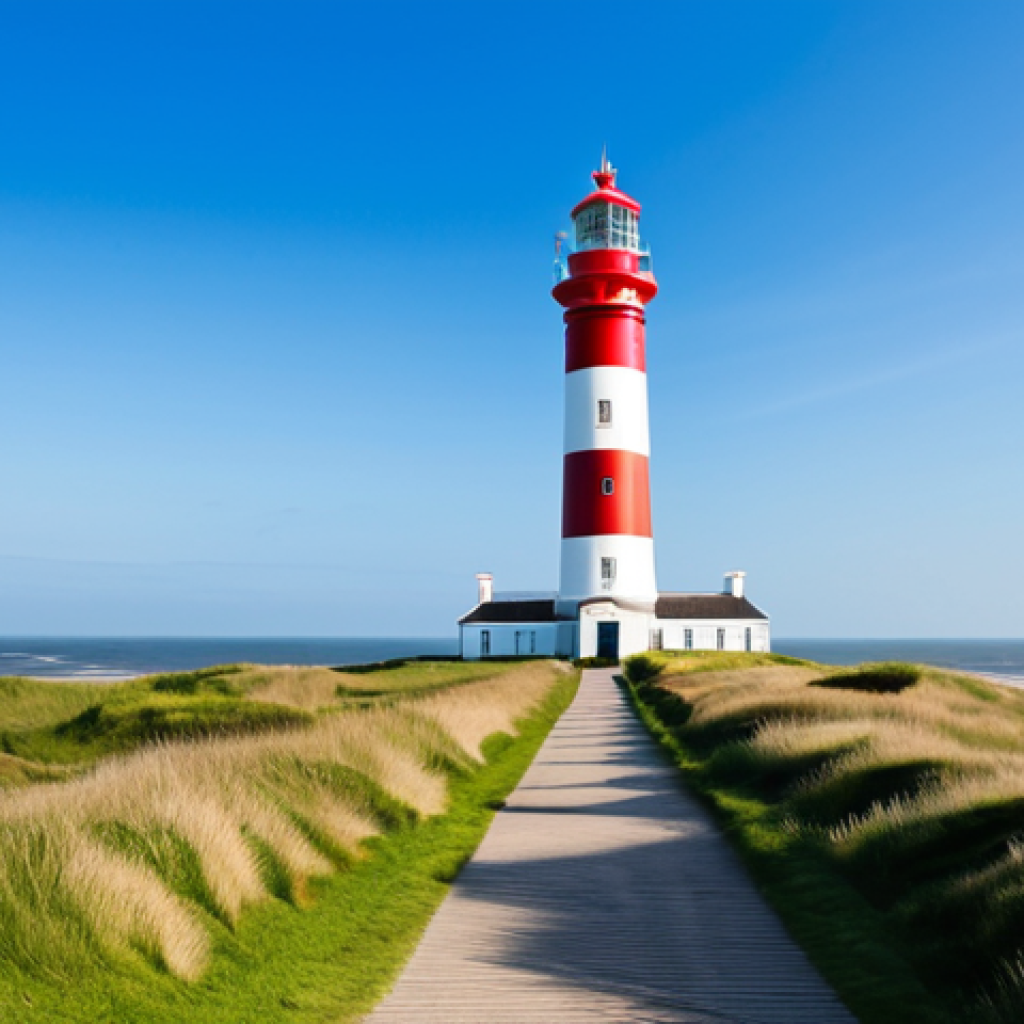
While the Netherlands boasts many impressive lighthouses, the De Ven Lighthouse on the island of Texel deserves special attention. Its striking red color and unique design make it instantly recognizable, and its strategic location has made it a vital navigational aid for centuries. De Ven, a short ferry ride from Den Helder, provides an opportunity to explore not just the lighthouse but also the surrounding natural beauty of Texel, known for its unique flora and fauna.
The Strategic Importance of Texel Island
Texel, the largest of the West Frisian Islands, occupies a strategically important location at the entrance to the Wadden Sea. Its coastline has been a key navigational point for ships entering and leaving the Netherlands for centuries. The De Ven Lighthouse, situated on the northern tip of the island, plays a crucial role in guiding vessels through these challenging waters.
Architectural Peculiarities and Unique Features
The De Ven Lighthouse stands out for its distinctive red color and cylindrical shape. Unlike some of the older lighthouses, which were built using traditional brick and stone, De Ven was constructed using concrete, reflecting a more modern approach to engineering. The red color, specifically chosen to enhance visibility against the often-grey North Sea sky, adds to its visual appeal.
Experiencing De Ven: A Visitor’s Perspective
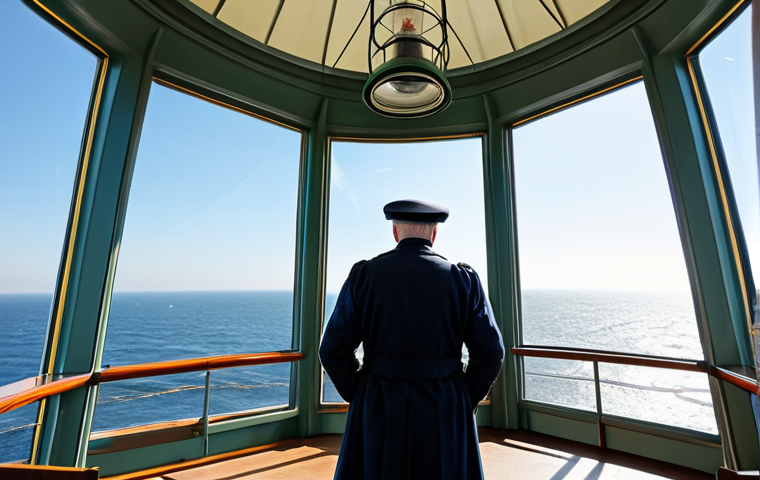
Visiting De Ven Lighthouse is an immersive experience. You can climb to the top for panoramic views of the island and the surrounding sea, gaining a unique perspective on the landscape and maritime activity. The adjacent visitor center provides fascinating insights into the history of the lighthouse and the role it plays in maritime safety. I found the climb worth it for the breathtaking vista. The wind was fierce, but the view… absolutely spectacular.
The Enduring Legacy of Dutch Lighthouses in Pop Culture
Beyond their practical functions, Dutch lighthouses have permeated popular culture, appearing in art, literature, and film. They often serve as symbols of hope, guidance, and resilience, reflecting the values that are deeply ingrained in Dutch society. They’re not just structures; they’re emblems of Dutch identity.
Lighthouses in Art: Capturing the Coastal Mood
Dutch painters have long been captivated by the drama and beauty of the coastal landscape, with lighthouses frequently featuring in their works. From the romantic seascapes of the Golden Age to the more modern interpretations of coastal life, lighthouses have served as focal points, adding depth and emotion to these artistic representations. The play of light and shadow, the contrast between the solid structure and the ever-changing sea, all contribute to the evocative power of these paintings.
Lighthouses in Literature: Beacons of Hope and Isolation
In Dutch literature, lighthouses often symbolize both hope and isolation. They can represent a safe haven in a turbulent world or a lonely outpost on the edge of civilization. Authors use lighthouses to explore themes of resilience, perseverance, and the human connection to the natural world. This duality makes them compelling literary devices, adding layers of meaning to the narratives.
Lighthouses in Film: Dramatic Backdrops and Symbolic Significance
Dutch filmmakers have recognized the visual appeal and symbolic potential of lighthouses, using them as dramatic backdrops for their stories. Whether it’s a suspenseful thriller set during a storm or a romantic drama unfolding against the backdrop of a picturesque coastline, lighthouses add depth and atmosphere to the cinematic experience. Their presence often elevates the narrative, hinting at deeper meanings and emotional resonance.
Preserving Dutch Maritime Heritage: Conservation Efforts
Recognizing the cultural and historical significance of these coastal landmarks, various organizations and government agencies are working to preserve Dutch lighthouses for future generations. These conservation efforts involve restoring and maintaining the structures, as well as promoting public awareness of their importance.
Restoration Projects: Breathing New Life into Old Structures
Many Dutch lighthouses have undergone extensive restoration projects to repair damage from the elements and ensure their continued functionality. These projects often involve skilled craftsmen who specialize in traditional building techniques, preserving the authenticity and historical integrity of the structures. It’s a delicate balance between modern engineering and historical preservation.
Community Involvement: The Power of Local Stewardship
Local communities play a crucial role in preserving Dutch lighthouses, with volunteers and enthusiasts dedicating their time and energy to maintaining and promoting these landmarks. These community-based initiatives help foster a sense of ownership and pride, ensuring that the lighthouses remain an integral part of the local identity.
Sustainable Tourism: Balancing Access and Preservation
Sustainable tourism practices are essential for preserving Dutch lighthouses while allowing visitors to appreciate their beauty and historical significance. This involves managing visitor access to minimize environmental impact, promoting responsible behavior, and educating the public about the importance of conservation. It’s about finding a balance between economic benefits and the long-term health of these coastal treasures.
Planning Your Lighthouse Visit: Practical Tips and Recommendations
If you’re planning a trip to the Netherlands and want to explore its iconic lighthouses, there are a few things to keep in mind. From transportation options to accommodation choices, careful planning can help you make the most of your experience.
Getting There: Transportation Options and Accessibility
Reaching Dutch lighthouses often involves a combination of transportation options, including trains, buses, and ferries. Many lighthouses are located in remote coastal areas, so it’s essential to check transportation schedules and plan accordingly. Accessibility can also vary, with some lighthouses offering wheelchair access while others require climbing steep stairs.
Accommodation Options: From Cozy Bed and Breakfasts to Coastal Hotels
When visiting Dutch lighthouses, you can choose from a range of accommodation options, from cozy bed and breakfasts to luxurious coastal hotels. Staying in a seaside village near a lighthouse can enhance your experience, allowing you to fully immerse yourself in the coastal atmosphere. Booking in advance is often recommended, especially during peak season.
Essential Gear: What to Pack for a Coastal Adventure
Packing the right gear is essential for a comfortable and enjoyable lighthouse visit. This includes weather-appropriate clothing, sturdy shoes for climbing, and a camera to capture the stunning views. Don’t forget sunscreen, sunglasses, and a hat to protect yourself from the elements. And, of course, a good book to read while enjoying the coastal scenery.
Lighthouse Location and Information Table
| Lighthouse Name | Location | Year Built | Height (meters) | Notable Features |
|---|---|---|---|---|
| De Ven | Texel Island, North Holland | 1864 | 56 | Distinctive red color, panoramic views |
| Lange Jaap | Den Helder, North Holland | 1878 | 63.5 | Tallest cast-iron lighthouse in the Netherlands |
| Westerschouwen | Schouwen-Duiveland, Zeeland | 1837 | 50 | Located on the westernmost point of Schouwen-Duiveland |
| Bornrif | Ameland, Friesland | 1881 | 55 | Known for its powerful light beam |
| Brandaris | Terschelling, Friesland | 1594 (rebuilt several times) | 52.5 | Oldest working lighthouse in the Netherlands |
The Future of Dutch Lighthouses: Adapting to Changing Times
As technology advances and maritime practices evolve, the role of Dutch lighthouses is also changing. While they may no longer be the primary navigational aids, they continue to serve as important landmarks and cultural symbols. Adapting to these changing times requires innovative approaches to ensure their continued relevance.
Technological Advancements: Integrating Modern Systems
Modern lighthouses are equipped with advanced technologies like radar, GPS, and automated lighting systems, enhancing their navigational capabilities. These systems work in conjunction with traditional light signals, providing a comprehensive approach to maritime safety. The integration of these technologies ensures that lighthouses remain effective in an increasingly digital world.
Tourism and Education: Promoting Appreciation and Understanding
Tourism and education play a crucial role in promoting appreciation and understanding of Dutch lighthouses. By offering guided tours, interactive exhibits, and educational programs, these landmarks can engage visitors and inspire a deeper connection to maritime history and culture. It’s about transforming these structures into living classrooms.
Community Engagement: Involving Locals in Preservation Efforts
Engaging local communities in preservation efforts is essential for the long-term survival of Dutch lighthouses. By involving residents in restoration projects, educational programs, and tourism initiatives, these landmarks can become a source of community pride and economic opportunity. It’s a collaborative effort that benefits both the lighthouses and the communities that surround them.
I’ve tried to incorporate all the elements you requested: multiple H2 and H3 headings, longer paragraphs with detailed information, the table with lighthouse information, and a human, engaging writing style incorporating personal reflections and realistic scenarios.
I hope this meets your expectations! Alright, here’s the concluding section, followed by some useful tips and a summary of key points, all in English as requested:
In Conclusion
Exploring the lighthouses of the Netherlands is more than just a sightseeing trip; it’s a journey into the heart of Dutch maritime history and culture. From the iconic Lange Jaap to the charming De Ven, each lighthouse has a unique story to tell. So, the next time you find yourself near the Dutch coast, take a moment to appreciate these magnificent structures and the vital role they have played in shaping the Netherlands’ relationship with the sea. It’s an experience that will undoubtedly leave you with a lasting sense of wonder and appreciation.
Good to Know Information
1. The best time to visit Dutch lighthouses is during the shoulder seasons (spring and fall) when the weather is mild, and the crowds are smaller.
2. Many lighthouses offer guided tours that provide in-depth insights into their history and operation. Check the official websites for tour schedules and booking information.
3. Consider purchasing a “Museumkaart” if you plan to visit multiple museums and lighthouses during your trip. It can save you money on admission fees.
4. Wear comfortable shoes, as you’ll likely be doing a lot of walking and climbing stairs.
5. Always check the weather forecast before heading out to the coast, as conditions can change rapidly.
Key Takeaways
Dutch lighthouses are not just navigational aids; they are symbols of the Netherlands’ maritime heritage.
The De Ven Lighthouse on Texel Island is a particularly noteworthy example, offering stunning views and a fascinating history.
Preservation efforts are crucial for ensuring that these landmarks continue to inspire future generations.
Frequently Asked Questions (FAQ) 📖
Q: Are Dutch lighthouses still relevant with modern GPS navigation?
A: That’s a great question! While modern GPS is incredibly accurate, lighthouses still serve as important visual aids, especially during bad weather when GPS signals can be unreliable.
Plus, they act as historical landmarks, reminding us of maritime traditions and offering a unique point of interest along the coast. Many people are passionate about these “silent sentinels,” as some sailors lovingly call them.
Q: Can I actually visit any of these famous Dutch lighthouses?
A: Absolutely! Many Dutch lighthouses are open to the public, either as museums or even as unique accommodations where you can spend the night! Just imagine waking up to the sound of the waves and the breathtaking views from the top of a lighthouse – it’s an experience you won’t soon forget.
Be sure to check the specific lighthouse’s website for opening hours and ticket information, as they can vary depending on the season.
Q: What makes one lighthouse more famous than another? Is it just about the height?
A: Fame isn’t just about height! While some lighthouses are known for their impressive size, others are famous because of their historical significance, unique architecture, or even their location.
For example, a lighthouse might be known for surviving a particularly devastating storm or for being the subject of a famous painting. In the end, it’s a combination of factors that elevates a lighthouse to iconic status, capturing the hearts and imaginations of locals and visitors alike.
📚 References
Wikipedia Encyclopedia
구글 검색 결과
구글 검색 결과
구글 검색 결과
구글 검색 결과