The Netherlands. For many of us, it conjures images of picturesque canals, vibrant tulip fields, and a society celebrated for its progressive, open-minded spirit.
I’ve always admired that about Dutch culture. But lately, when you dig a little deeper beneath that charming surface, you start to see a very different, and much more complex, story unfolding, especially when it comes to a topic as sensitive and vital as refugee policies and their profound societal impact.
It feels like the national conversation has shifted dramatically, hasn’t it? You can practically feel the tension in the air as the country grapples with some incredibly tough decisions.
We’re talking about everything from how new arrivals are housed – and believe me, the housing crisis here is no joke for anyone, let alone newcomers – to the challenges of real integration into Dutch life.
I’ve noticed how these discussions are not just political talking points; they touch the very fabric of communities, sparking debates in homes and cafes across the country.
With the government recently pushing for some of the strictest asylum rules we’ve seen in years, it’s clear that the Netherlands is at a crossroads, navigating a delicate balance between humanitarian responsibility and national capacity.
This isn’t just about numbers or policies; it’s about people, their hopes, and the future of a nation. Let’s truly understand what’s happening on the ground and delve into the intricate layers of these changes.
We’ll get into the specifics together.
The Shifting Sands of Dutch Hospitality

You know, for years, the Netherlands had this reputation, right? A nation that welcomed with open arms, known for its progressive outlook and a generally tolerant society. I mean, who hasn’t heard of the Dutch welcoming spirit? I always admired that deeply about this country. But lately, it feels like that narrative, that very image we’ve held onto, is undergoing a profound transformation. There’s a tangible shift in the air, a sense of a nation grappling with its own identity amidst global challenges. It’s not just about policies anymore; it’s about the very ethos of what it means to be Dutch in a rapidly changing world. I’ve had so many conversations with locals, some who cling to the old ideals, others who express genuine fatigue, and a growing number who are just plain worried about the future. It’s a delicate balance, trying to uphold humanitarian values while also addressing legitimate concerns about resources and capacity. I’ve personally seen how these tensions play out, even in casual discussions over coffee. It’s far from a black-and-white issue, and anyone who tells you otherwise probably hasn’t spent enough time listening to the diverse voices here.
A Historical Perspective on Openness
If you look back, the Netherlands has a pretty rich history of taking in people fleeing conflict and persecution. From the Huguenots centuries ago to various groups in the post-war era, there’s a foundation of offering refuge. This past often comes up in debates today, with many arguing that it’s part of the national character, almost a moral imperative. I often hear people reminisce about a time when solidarity felt more straightforward, less politicized. But of course, the scale and nature of current migrations are different, and that’s where the friction truly begins. The sheer numbers, the complexities of integration, and the strain on public services have undeniably altered the public discourse, making those historical precedents feel a bit distant to some. It’s like the collective memory is struggling to reconcile past generosity with present anxieties.
The Impact of Recent Policy Tightening
What I’ve observed most recently is a palpable tightening of the screws when it comes to asylum policies. It’s not just talk; we’re seeing concrete measures being proposed and implemented that aim to significantly restrict entry and accelerate deportation processes. I remember reading about the government’s push for some of the strictest rules in years, and it really struck me how dramatically the political landscape has shifted. This isn’t just about statistics; it impacts real lives, real families, and sends a clear message, both internally and externally. The humanitarian organizations I follow are often vocal about their concerns, fearing that these stricter rules might inadvertently push vulnerable individuals into even more precarious situations. It’s a complex ethical tightrope walk, and I honestly don’t envy the policymakers trying to navigate it.
The Housing Tightrope: A National Conundrum
If you live in the Netherlands, you already know about the housing crisis. It’s a monster, and it affects everyone. Now, imagine trying to find a place to live when you’ve just arrived in a new country, often with nothing but the clothes on your back, and you don’t speak the language. That’s the reality for asylum seekers, and it’s a huge, often overwhelming, problem. I’ve heard countless stories, some heartbreaking, about people spending months, even over a year, in temporary reception centers, sometimes even sleeping in tents or sports halls because there simply isn’t enough suitable housing. It’s not just a logistical nightmare; it’s a huge barrier to any hope of settling down and starting a new life. This isn’t just an “asylum seeker problem”; it’s a symptom of a larger national issue that’s being exacerbated by the influx of new arrivals. And honestly, it puts a tremendous strain on local municipalities who are often left scrambling to find solutions with limited resources.
Emergency Shelters and Overcrowding
I can vividly recall news reports showing images of overcrowded reception centers, sometimes with people sleeping on cots in massive halls. It’s a stark reminder that the system is incredibly stretched. These emergency accommodations, while providing a basic roof over one’s head, are far from ideal for long-term stays. They lack privacy, can be breeding grounds for tension, and make it incredibly difficult for individuals to process trauma or even maintain a semblance of normal life. I’ve seen discussions online where people express concern about the dignity of these individuals, and it’s hard not to agree. It’s not just about getting people off the streets; it’s about providing conditions that allow them to recover and begin to rebuild. This situation directly impacts their mental health and their ability to engage constructively in society later on.
The Struggle for Permanent Housing
Even after receiving a positive asylum decision, the journey is far from over. The next hurdle, and it’s a massive one, is finding permanent housing. Due to the existing housing shortage, municipalities struggle to allocate sufficient social housing to status holders. This bottleneck means that many individuals remain in asylum seeker centers for extended periods, even when they technically have the right to move out and start working or studying. I’ve chatted with social workers who describe the frustration of seeing people stuck in limbo, eager to contribute but unable to secure a stable home. It’s a vicious cycle that not only affects the individual but also puts more pressure on the reception centers that are meant to be temporary. The economic implications are clear: without stable housing, it’s incredibly difficult to find and hold down a job, further delaying integration and self-sufficiency.
Integration: More Than Just Learning a Language
When we talk about integration, it’s so easy to reduce it to a checklist: learn Dutch, get a job, send kids to school. But having spent time observing and talking to people here, I’ve realized it’s infinitely more complex and nuanced than that. It’s about cultural understanding, social networks, a sense of belonging, and frankly, whether the receiving society is truly open to it. It’s a two-way street, and sometimes that second lane feels a bit congested. I’ve witnessed firsthand the incredible dedication some newcomers have to learning the language and understanding Dutch customs, yet they still face invisible barriers. It’s like there’s an unspoken expectation that often goes beyond mere linguistic proficiency. True integration, in my opinion, involves a genuine exchange, and that takes effort from both sides. It’s about building bridges, not just individual paths.
Cultural Gaps and Social Barriers
One of the biggest things I’ve noticed is the sheer scale of cultural differences. What might be considered polite in one culture could be seen as rude here, and vice versa. These subtle nuances are incredibly difficult to grasp without deep immersion and guidance. I remember a conversation with a refugee who spoke excellent Dutch but still struggled with understanding the directness often characteristic of Dutch communication – it felt aggressive to them initially. Beyond language, there are social barriers. It can be incredibly challenging to form friendships and build a local support network when you’re an outsider. Many asylum seekers find themselves primarily interacting within their own community, which, while providing comfort, can also hinder broader integration into Dutch society. It’s a Catch-22: you need connections to integrate, but integrating is tough without those connections.
The Role of Education and Employment
Education and employment are often highlighted as key drivers for successful integration, and rightly so. Access to language courses, vocational training, and recognition of foreign qualifications are crucial. I’ve seen some fantastic initiatives that connect newcomers with employers, which is a game-changer. However, navigating the Dutch job market can be incredibly daunting, even for highly skilled individuals. There’s bureaucracy, the need for specific certifications, and sometimes, unconscious biases. For children, integrating into the school system is vital, but even there, language barriers and differing educational backgrounds can present significant challenges. It’s not just about getting a diploma; it’s about feeling like you have a future here, that your contributions are valued and sought after. When people can’t find meaningful work, it’s not just an economic loss; it’s a blow to their self-esteem and sense of purpose.
Economic Ripples: Costs, Contributions, and Public Perception
The economic aspect of refugee policies is often at the forefront of public debate, isn’t it? You hear a lot about the costs – the housing, the allowances, the services. And yes, there are undeniably significant costs involved in processing asylum applications and supporting newcomers. But what I find gets less airtime are the potential contributions and the long-term economic benefits. It’s easy to focus on the immediate financial outlay, but I’ve always believed in looking at the bigger picture. Many refugees are highly motivated, skilled individuals eager to work and contribute to the economy. It’s a narrative that sometimes gets lost amidst the numbers, and I think that’s a real shame. We’re talking about human capital here, and tapping into that potential can be incredibly valuable for a country with an aging workforce like the Netherlands. It’s about shifting the perspective from purely a cost to a potential investment.
The Price Tag of Asylum
Let’s be real, there’s a definite price tag associated with the asylum system. Providing shelter, food, healthcare, legal aid, and integration programs requires substantial public funds. I’ve seen various reports attempt to quantify these costs, and they are, indeed, considerable. These expenses naturally become a point of contention, especially when public services like healthcare or education are already feeling the pinch. It’s a topic that often fuels political discussions and public sentiment, especially during times of economic uncertainty. I sometimes wonder if these figures are always presented in a way that fully accounts for the temporary nature of many of these costs, or if they sometimes overshadow the less tangible but equally important humanitarian aspects. It’s not just about euros and cents; it’s about the societal values we choose to uphold.
Untapped Potential: Contributions to the Economy
On the flip side, I truly believe that the economic contributions of refugees are often underestimated or simply overlooked. Many arrive with valuable skills, a strong work ethic, and a desperate desire to rebuild their lives. Once they overcome the initial hurdles of language and bureaucracy, they can fill labor shortages, start businesses, and pay taxes, just like any other resident. I’ve personally seen success stories of refugees who have opened restaurants, started tech companies, or become essential workers in sectors facing staff shortages. The challenge, of course, is unlocking that potential efficiently. It requires effective integration programs, recognition of foreign qualifications, and a willingness from employers to look beyond traditional hiring practices. It’s about seeing people not just as recipients of aid, but as active economic agents with something valuable to offer.
Navigating Legal Labyrinths: The Asylum Process
Alright, let’s talk about the asylum process itself. From an outsider’s perspective, it often seems like a bewildering maze of paperwork, interviews, and waiting. And from what I’ve gathered through conversations and reports, it’s exactly that, and often much more, for those directly experiencing it. It’s a system designed to assess legitimate claims, but it can be incredibly slow and emotionally draining. Imagine trying to recount traumatic experiences to strangers, often through an interpreter, knowing that your entire future hinges on their decision. I’ve heard stories of people waiting years for a final decision, living in a constant state of uncertainty. This isn’t just about bureaucracy; it’s about the psychological toll it takes on individuals already vulnerable. It’s a process that demands immense resilience and patience from those who enter it.
The Complexities of Asylum Claims
The Dutch asylum procedure is notoriously detailed and involves multiple stages, from initial registration to extensive interviews with the Immigration and Naturalisation Service (IND). Applicants must provide detailed accounts of their flight, fears of persecution, and personal circumstances. The complexity arises from verifying these claims, often in the absence of official documentation and across cultural and linguistic barriers. I recall reading about the sheer volume of cases the IND handles, and it’s truly immense. This complexity often leads to lengthy processing times, which, while perhaps necessary for thoroughness, contribute to the immense stress and uncertainty faced by asylum seekers. It’s a system striving for fairness, but sometimes fairness can feel incredibly slow and arduous from the perspective of someone desperately seeking safety.
Legal Aid and Advocacy
Navigating this legal labyrinth would be almost impossible without the support of legal aid and advocacy groups. These organizations play a crucial role in advising asylum seekers on their rights, preparing them for interviews, and representing them in appeals. I’ve always admired the dedication of these lawyers and support workers who often deal with incredibly challenging cases and distressed individuals. Their work is absolutely vital in ensuring that applicants have a fair chance to present their case and that their rights are upheld throughout the process. Without their expertise, many legitimate claims might be overlooked, and the already vulnerable would be left even more exposed. It’s a testament to the humanitarian spirit that these groups continue to fight for those who often have no other voice.
Local Communities on the Front Lines
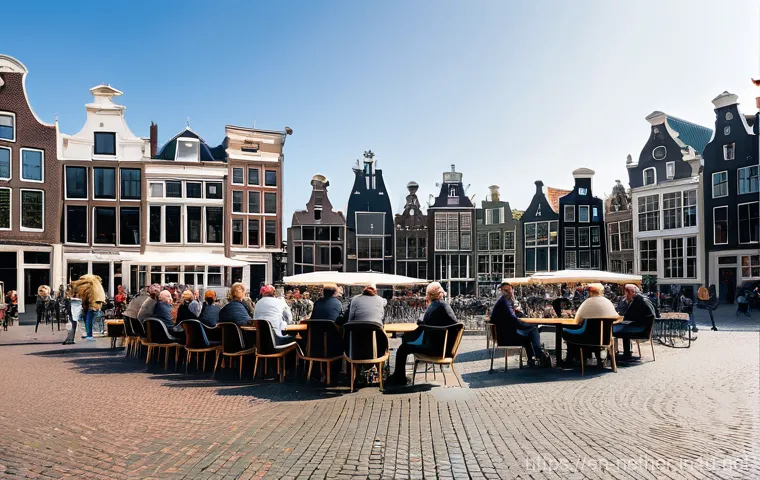
When national policies are made, they often feel quite abstract, don’t they? Like decisions handed down from an ivory tower. But on the ground, in towns and villages across the Netherlands, those policies translate into very real, very immediate impacts on local communities. It’s where the rubber meets the road, so to speak. Local residents are the ones who directly interact with newcomers, whose schools might see an influx of new students, whose public spaces become shared. I’ve seen how this can spark incredible generosity and acts of kindness, with volunteers stepping up to help in amazing ways. But I’ve also witnessed the strain, the frustrations over perceived burdens on local services, and sometimes, unfortunately, outright hostility. It’s a microcosm of the national debate, playing out in neighborhood meetings and local news forums. This isn’t just a political issue; it’s a social one that deeply affects the fabric of daily life for everyone involved.
Volunteer Efforts and Community Support
It’s truly inspiring to see the incredible outpouring of support from volunteers in many Dutch communities. I’ve heard stories of local initiatives organizing language classes, clothing drives, communal meals, and mentorship programs for asylum seekers. These grassroots efforts are often the first, and sometimes only, real point of contact for newcomers seeking help and integration. They provide a human face to the often-impersonal asylum process. I recall a small village where residents banded together to furnish apartments for arriving families, creating a warm and welcoming environment. These acts of solidarity are crucial not only for the well-being of the refugees but also for fostering a sense of shared responsibility and community within the host population. It really highlights the best of humanity when people step up to help their new neighbors.
Challenges and Concerns for Residents
However, it would be disingenuous to ignore the challenges and concerns that arise for existing residents. Increased demand on local housing, healthcare services, and school capacity can put a strain on resources that are already stretched. I’ve heard residents express worries about safety, cultural differences, and the speed of integration. These are valid concerns that need to be addressed thoughtfully, not dismissed. When communication is poor or resources feel insufficient, it can lead to resentment and division within communities. It’s a delicate balancing act for local authorities, who must manage these challenges while trying to ensure fair treatment for everyone. Ignoring these concerns doesn’t make them go away; it often just allows them to fester and grow, making genuine integration even more difficult in the long run.
The Human Stories Behind the Headlines
You know, when you read the news, it’s all about numbers, policies, and political debates. It’s easy to forget that behind every headline, every statistic, there are real people with incredibly personal and often harrowing stories. I’ve always found that the most impactful way to understand this complex issue is by listening to those individual experiences. It’s not just about fleeing war or persecution; it’s about the journey, the loss, the hopes, and the sheer resilience required to start anew. I’ve been moved to tears by some of the accounts I’ve heard, stories of incredible courage and unwavering optimism despite unimaginable hardship. These aren’t just refugees; they are teachers, doctors, artists, parents, children – individuals who have had their lives uprooted and are desperately trying to find a safe harbor and a new beginning. Their personal narratives offer a depth of understanding that no policy paper ever could.
Voices from the Reception Centers
Spending time, or even just hearing accounts from within the reception centers, paints a vivid picture of life in limbo. I’ve heard about the boredom, the lack of privacy, and the profound sense of uncertainty that pervades daily life. Children try to continue their schooling in makeshift classrooms, adults grapple with the slowness of the process, and everyone waits. The stories of resilience are astounding: individuals organizing small communities within the centers, teaching each other languages, sharing skills. But beneath that strength, there’s often a deep well of anxiety and trauma. Many carry the scars of war and persecution, and the constant waiting does little to help them heal. It’s a stark reminder that these aren’t just temporary facilities; they are temporary homes where lives are on hold, hopes are tested, and dreams are often deferred indefinitely.
The Long Road to Belonging
Even after receiving asylum, the journey to truly feeling like you belong in the Netherlands is long and winding. It’s not a destination; it’s a continuous process. I’ve spoken with status holders who, years after arriving, still feel like outsiders. They might have a job, speak Dutch, and have a home, but the deeper sense of integration, of feeling truly rooted, can take a generation or more. There are stories of triumphs – individuals who have built successful careers and vibrant lives – but also stories of ongoing struggles with loneliness, discrimination, and the longing for home. It’s a powerful reminder that while policies can grant legal status, they can’t instantly create a sense of belonging. That comes from human connection, mutual understanding, and the passage of time. It requires an open heart from the host society, and immense patience and effort from the newcomers.
The Evolving Political Landscape and Public Opinion
You know how quickly things can change in politics, right? Well, in the Netherlands, the conversation around refugee policies feels like it’s been on a constant rollercoaster lately. What was acceptable a few years ago is now fiercely debated, and positions seem to be hardening across the political spectrum. It’s not just about which party is in power; it’s about a fundamental shift in public sentiment, often driven by a mix of concerns about national capacity, economic strain, and cultural identity. I’ve watched how discussions that used to be nuanced are now often reduced to soundbites, making it harder to find common ground. This evolving landscape isn’t just shaping laws; it’s shaping the very social fabric of the country, influencing everything from local elections to everyday interactions. It feels like the nation is having a very public, sometimes uncomfortable, conversation with itself about its values and its future.
The Rise of Restrictive Policies
Over the past few years, there’s been a noticeable trend towards more restrictive asylum policies. This isn’t unique to the Netherlands, of course, but it’s particularly stark here given the country’s earlier reputation for openness. I’ve seen government proposals aimed at streamlining and accelerating procedures, often with the explicit goal of reducing overall intake numbers. The rhetoric surrounding these policies frequently emphasizes control, security, and national interest. It’s a clear signal that the political pendulum has swung significantly. While proponents argue these measures are necessary for maintain order and public support, critics voice deep concerns about the potential erosion of humanitarian principles and the impact on vulnerable individuals. It’s a contentious area, and the legislative debates are often heated, reflecting the deep divisions within society on this issue.
Public Sentiment: A Mixed Bag
Public opinion on refugee policies in the Netherlands is, to put it mildly, a mixed bag. I’ve come across surveys and everyday conversations that reveal a spectrum from deep empathy and a desire to help, to significant apprehension and even outright opposition. Some segments of the population express compassion, highlighting humanitarian obligations and the historical role of the Netherlands as a safe haven. Others voice concerns about the perceived strain on public services, housing shortages, and the challenges of cultural integration. It’s not always as simple as pro- or anti-refugee; there are often layers of anxiety about the future, economic stability, and national identity woven into people’s perspectives. This complex interplay of views is what politicians are grappling with, trying to find a path that satisfies a diverse and often polarized electorate, which is no easy feat at all.
| Aspect of Policy/Impact | Recent Trends (Approx. 2023-2025) | Societal Implication |
|---|---|---|
| Asylum Applications | Generally high numbers, leading to pressure on processing capacity. | Increased waiting times for applicants, strain on IND resources. |
| Housing Shortage | Severe national housing crisis exacerbated by influx. | Overcrowding in reception centers, delays in integration for status holders. |
| Integration Programs | Focus on Dutch language and civic integration; ongoing reforms. | Varying success rates; challenges with cultural adaptation and employment. |
| Public Opinion | Polarized views, with rising concern over capacity and integration. | Increased political debate, occasional local tensions, shifts in voting patterns. |
| Labor Market Access | Efforts to speed up work permit acquisition for asylum seekers. | Potential to fill labor gaps; challenges with qualification recognition and language. |
Looking Ahead: Finding a Sustainable Path
So, where does the Netherlands go from here? That’s the million-dollar question, isn’t it? It feels like the country is truly at a crossroads, balancing its humanitarian heritage with the very real pressures of a modern, crowded nation. There’s no magic bullet, no easy answer that will satisfy everyone. What I’ve come to realize is that finding a sustainable path forward isn’t just about tweaking policies; it’s about fostering dialogue, building empathy, and investing in long-term solutions that benefit both newcomers and existing residents. It requires a willingness to look beyond the immediate challenges and envision a future where integration is a shared success, not a source of division. I truly hope that the conversations, however difficult, continue to be driven by a desire for fairness and effective solutions, rather than just fear or short-term political gains. It’s about securing the future, not just managing the present crisis.
The Need for Holistic Solutions
What I’ve repeatedly heard from experts and everyday people alike is the cry for more holistic solutions. Simply focusing on border control or emergency housing isn’t enough; the challenges are interconnected. We need integrated approaches that consider housing, education, employment, and social inclusion simultaneously. It’s about designing a system that not only processes claims efficiently but also supports individuals through every step of their journey, from arrival to full integration. I often think about how much more effective things could be if different government departments, local authorities, and civil society organizations worked even more closely together, pooling resources and expertise. It requires a comprehensive strategy, not just piecemeal reactions to crises. It’s a massive undertaking, but I believe it’s the only way to genuinely move forward in a constructive manner.
Fostering Dialogue and Empathy
Perhaps one of the most crucial elements in navigating this complex issue is fostering genuine dialogue and empathy. It’s so easy for the conversation to become Us vs. Them, to demonize one group or another. But from my vantage point, what’s really needed is more understanding, more listening, and a willingness to see the humanity in everyone involved. I’ve found that when people share their personal stories, whether they are long-time Dutch residents or recent arrivals, it breaks down barriers and builds bridges. It’s about creating spaces where concerns can be voiced without judgment, and where shared values can be rediscovered. This isn’t something that can be legislated; it has to be cultivated at a community level, in schools, workplaces, and neighborhoods. Ultimately, the future of refugee policies, and indeed the future of Dutch society, will depend on our collective ability to engage with compassion and a commitment to shared humanity.
글을 마치며
Whew, that was quite a journey, wasn’t it? Diving deep into the nuances of Dutch hospitality and refugee policies really shows just how complex these issues are. It’s never as simple as a single headline or a quick soundbite. What I’ve truly taken away from all these conversations and observations is the incredible human element at the heart of it all. It’s a delicate dance between compassion, capacity, and finding sustainable solutions that honor both a nation’s values and its practical realities. I truly believe that by fostering more understanding and open dialogue, we can collectively work towards a future where everyone has a fair chance to find safety and build a meaningful life.
알아두면 쓸모 있는 정보
1. Navigating Official Information: If you’re looking for concrete details on asylum procedures or integration programs in the Netherlands, always head straight to the source. The Immigration and Naturalisation Service (IND) website (ind.nl) is your go-to for official policy updates and application processes. For broader governmental information, rijksoverheid.nl often provides detailed reports and policy documents. It’s vital to rely on these official channels rather than hearsay to ensure you’re getting accurate and timely information in a rapidly changing landscape.
2. Support Networks are Key: For newcomers and those assisting them, connecting with local non-profit organizations and volunteer groups can be a game-changer. Groups like VluchtelingenWerk Nederland (Dutch Council for Refugees) offer invaluable legal aid, practical support, and social integration programs. Many local community centers also host language cafes and cultural exchange events. These networks aren’t just about providing aid; they’re about building connections and fostering a sense of belonging, which is crucial for long-term integration and well-being in a new country.
3. Understanding the Housing Market: The Dutch housing crisis impacts everyone, but it’s particularly challenging for refugees and asylum seekers. If you or someone you know is trying to find housing, be aware that the social housing sector has long waiting lists. Exploring options through local municipalities, temporary housing initiatives, or even private rentals (though often expensive) might be necessary. It’s a tough market, so patience and exploring every avenue, including potential support from resettlement agencies, are absolutely essential to finding a stable home.
4. Engaging with Local Politics: Public opinion plays a significant role in shaping refugee policies. If you’re passionate about these issues, understanding local and national political debates can be incredibly insightful. Follow Dutch news outlets (many have English sections) and consider joining local community forums or advocacy groups. Your voice, even as an international resident, can contribute to the broader conversation. Staying informed about upcoming elections and policy proposals can help you understand the dynamics at play and how you might contribute to positive change.
5. Cultural Nuances Matter: True integration goes beyond language. Taking the time to understand Dutch culture, communication styles, and societal norms will significantly enhance your experience and interactions. Dutch directness, for example, can sometimes be misunderstood as rudeness, but it’s often just a different way of communicating. Engaging with locals, participating in community events, and even learning about Dutch history can bridge cultural gaps and lead to a more profound and enriching integration experience. Remember, integration is a two-way street, requiring effort and openness from both sides.
중요 사항 정리
The Netherlands is currently navigating a significant transformation in its approach to refugee policies, a shift that is moving away from its historically open reputation towards more restrictive measures. This evolving stance is heavily influenced by a severe national housing crisis, which exacerbates challenges for both new arrivals seeking shelter and the overall capacity of local communities. Integrating newcomers involves far more than just language acquisition; it encompasses overcoming substantial cultural gaps, social barriers, and difficulties in accessing stable education and employment. From an economic perspective, while the costs associated with the asylum system are considerable, the potential contributions of refugees to the labor market and national economy often remain underestimated and underutilized. The asylum process itself is a complex and lengthy legal labyrinth that demands immense resilience from applicants and robust support from legal aid organizations. On the ground, local communities are on the front lines, displaying remarkable volunteer efforts while simultaneously grappling with concerns over strained resources and the broader implications for societal cohesion. Ultimately, this intricate situation is reflected in a diverse and often polarized public opinion, shaping an evolving political landscape that is continually striving to balance humanitarian principles with practical national interests. Moving forward, finding a sustainable path will necessitate holistic solutions, ongoing dialogue, and a renewed commitment to empathy to ensure equitable and effective outcomes for all involved.
Frequently Asked Questions (FAQ) 📖
Q: What exactly are these “strictest asylum rules” the Dutch government is pushing for, and what’s driving this change?
A: From what I’ve seen and heard, the Dutch government has recently introduced what they’re calling the “strictest asylum policy ever.” This really changes a lot of things.
For instance, they’re creating a two-tier system for asylum seekers, meaning people fleeing direct persecution (like for their beliefs or identity) get more rights than those fleeing general war or disaster, who are treated more like temporary guests.
The government is also tightening rules around permanent residency, potentially reducing the duration of temporary permits from five years to three, and even making it tougher to get a new asylum visa.
They’ve even abolished the rule that asylum seekers automatically get a permanent residence permit after five years; now, even after five years, they might have to return if their home country is deemed safe.
Family reunification is also getting much stricter, with limitations on who can join and under what conditions, often requiring the refugee to have held residence status for at least two years, have adequate housing, and a stable income.
The official justification is that the Netherlands simply can’t handle the high numbers of migrants, citing overcrowded asylum centers, slow procedures, and rising costs impacting public housing, healthcare, and education.
It truly feels like they’re trying to make the Netherlands “as unattractive as possible for asylum seekers” to regain control of their asylum policy.
Q: How are these new policies impacting refugees already in the Netherlands, especially concerning housing and their ability to integrate?
A: This is where things get really tough, and honestly, heartbreaking. The housing crisis was already a massive issue in the Netherlands for everyone, and these new policies are making it exponentially harder for refugees.
With the recent vote to end partial priority status for refugees in social housing, about 18,000 refugees who should be in regular homes are still stuck in asylum centers.
This means they’ll likely be in temporary accommodation for years, given that the average waiting time for social housing can be seven years or more in major cities.
This lack of stable housing directly impacts their ability to integrate. I’ve spoken to folks who are struggling to balance compulsory integration courses, like language lessons, with finding work, and these unstable living situations just add another huge layer of stress.
It’s hard to build a new life, find a stable job, or truly learn the language when you don’t even know where you’ll be living next week. The whole concept of “flexible housing” for refugees, while seemingly a solution, can actually conflict with integration goals because integration thrives on stability.
It’s a real challenge, as many refugees feel a profound sense of isolation and struggle to adapt to new rules and cultural norms when their most basic need for a stable home isn’t met.
Q: What’s the public sentiment like in the Netherlands regarding these stricter policies, and how is it affecting communities?
A: The public sentiment, from what I’ve observed, is pretty complex and, frankly, quite polarized right now. While there’s a noticeable hardening of attitudes across the political spectrum, with many people desiring a limit on immigration, it’s not a simple black-and-white situation.
Recent reports suggest that a significant portion of Dutch people, around 58%, still feel a moral obligation to accept “real refugees” fleeing war and violence.
However, about one-third believe the borders should be closed, and there’s a strong concern, shared by nearly three-quarters of respondents, that taking in refugees makes it harder for Dutch citizens to find homes due to the pre-existing housing shortage.
So, it seems like people are grappling with both humanitarian instincts and very real anxieties about national capacity and resources. The debate has definitely become more visible and emotional, impacting community discussions.
I’ve also seen how the emergence of political parties campaigning heavily on migration issues has amplified dissatisfaction. It’s a delicate balance, and you can really feel the tension in local communities as they try to navigate these changes, often caught between government policies and the immediate human needs they see on the ground.