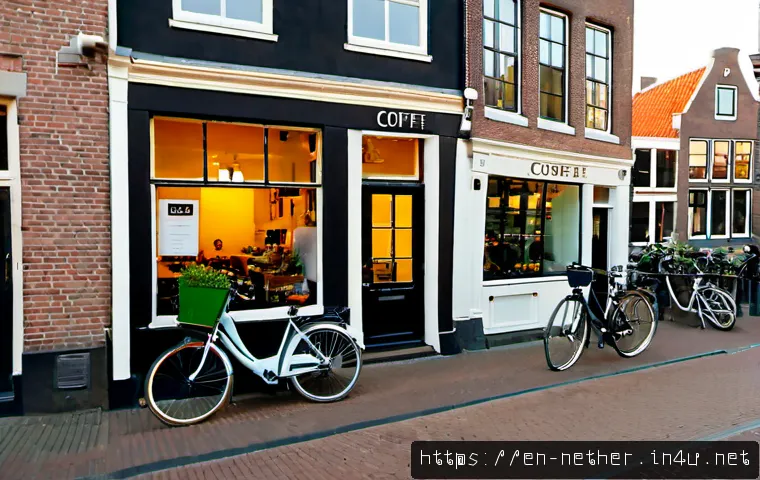
Cannabis in the Netherlands is widely tolerated in specific settings, but tolerance is not the same as full legalization. Visitors should not assume that buying, using, carrying, or transporting cannabis is automatically permitted everywhere.

The practical question is usually not “Is it legal?” but “What does this municipality, venue, and travel plan allow?” That distinction matters when choosing accommodation, comparing local transport, or planning activities in a particular Dutch city.
Checking local rules in advance can help travelers avoid an expensive or disruptive mistake. This guide explains the policy background and the practical checks that matter most.
At a Glance
- Tolerated is not the same as legal: the Dutch approach is commonly described as a policy of regulated tolerance rather than full legalization.
- Local rules matter: coffee shop access, public-use rules, and visitor policies can vary by municipality and venue.
- Travel boundaries still apply: do not treat tolerance as permission to drive while impaired or carry cannabis across an international border.
| Situation | Practical Status | What to Check Before You Act |
|---|---|---|
| Coffee shop purchase | May be tolerated under local conditions | Venue policy, tourist access, ID requirements, opening hours, and local guidance |
| Personal possession | Not the same as unrestricted permission | Municipal rules and the circumstances in which possession is treated differently |
| Home growing | Do not assume it is permitted | Current national and local rules before making any decision |
| Public consumption | Can be restricted locally | Public-space restrictions, signs, accommodation policies, and neighborhood rules |
| Driving | Impairment creates serious risk | Use a taxi, public transport, or another non-driving option if impairment is possible |
| Cross-border transport | Do not assume it is allowed | Border and destination-country rules; tolerance within the Netherlands does not travel with you |
The Short Answer: Tolerance Policy Is Not Full Legalization
The Netherlands is associated with cannabis because certain retail activity has long been handled through a tolerance policy. In everyday conversation, people may call cannabis “legal,” but that shorthand can create the wrong expectation. A tolerated activity may be subject to conditions, enforcement priorities, venue rules, and municipal restrictions.
What People Usually Mean When They Say Cannabis Is “Legal” in the Netherlands
Usually, they are referring to coffee shops and the visible availability of cannabis-related retail in some places. That does not mean every cannabis-related activity has the same status. Buying from an approved-looking venue, using a product in public, growing at home, driving afterward, and taking a product abroad are separate questions.
Why the Legal Distinction Matters for Visitors and Residents
For travelers, the distinction affects the whole itinerary. A hotel may have a no-smoking policy even if a coffee shop operates nearby. A city may have different public-consumption expectations from another city. Someone planning a day trip, airport transfer, rental car, or border crossing should make decisions based on current local guidance, not on a broad reputation.
How Dutch Cannabis Policy Developed
The Dutch model is often discussed because it aimed to manage drug-related harm rather than frame every issue as a simple yes-or-no legalization question. Its practical focus has included separating lower-risk and higher-risk drug markets. That policy goal helps explain why coffee shops became so prominent in public discussions of the Netherlands.
The Policy Goal of Separating Lower-Risk and Higher-Risk Drug Markets
A central idea behind the approach was to avoid treating all drug markets as identical. In practical terms, this meant creating a distinction between cannabis-related activity and markets involving higher-risk substances. It is a policy framework, not a blanket travel permission or a guarantee that all cannabis conduct is allowed.
Why Coffee Shops Became Central to the Tolerance Model
Coffee shops became the most visible part of the system because they are where visitors often encounter the policy in real life. They also create a point where local rules, venue conditions, identification checks, and responsible tourism expectations can be applied. For a visitor, the key lesson is simple: use legitimate channels where permitted, and do not assume an informal seller offers the same protections or compliance standards.
The Ongoing Challenge of Regulated Retail Versus Supply Controls
The Dutch discussion is more complex than a storefront sign suggests. Retail tolerance and supply controls do not automatically operate in the same way. This is one reason it is inaccurate to describe the system as uncomplicated full legalization. Travelers do not need to master every policy debate, but they should understand that visible retail access does not remove all legal and practical limits.
What Is Usually Allowed, Restricted, or Prohibited
The safest approach is to treat each activity separately. A coffee shop purchase may be handled differently from public use, and neither should be confused with permission to transport cannabis internationally. Current municipal guidance and the individual venue’s conditions are the practical starting points.
Coffee Shop Purchases and Age or Identification Checks
Do not assume access rules, residency requirements, product availability, purchase limits, prices, or ID practices are identical across the country. Before selecting a city for cannabis-related tourism, check the current policy for the municipality and the specific coffee shop. This is especially useful when comparing accommodation locations, arrival times, and local transport options.
Possession, Public Consumption, and Local Municipal Rules
Public use can be more restricted than visitors expect. A busy central area, a park, a transport hub, or an area near a hotel may have different expectations from a private setting. Respect posted signs, accommodation rules, and local authority guidance. If public consumption is unclear, do not treat silence as permission.
Driving, Workplace Rules, and Crossing International Borders
Do not drive while impaired. If cannabis use is part of a travel plan, build in a non-driving option such as walking, public transport, or a taxi. Workplace and accommodation policies may also be stricter than a traveler expects. Most importantly, Dutch tolerance policy should never be treated as permission to take cannabis across a national border, including during a short side trip.
Coffee Shops Compared: What Travelers Should Check Before Choosing a City
A city choice should be based on more than reputation. The best location for a traveler depends on access rules, lodging, transport, planned activities, and the ability to follow local restrictions comfortably. Amsterdam-style assumptions are not a reliable guide for every municipality.
Tourist Access and Residency Policies
Tourist access and residency policies can differ and may change. Check whether a particular venue has conditions for entry or purchase before booking a non-refundable stay around it. A travel plan is more flexible when the hotel, transport route, and daytime activities still make sense even if a preferred venue is unavailable.
Amsterdam, Border Areas, and Smaller Municipalities: Why Rules Can Differ

Municipalities can take different approaches based on local priorities and visitor patterns. Border areas may require especially careful checking, while smaller municipalities may offer fewer venue options or different operating practices. Rather than assuming that one city represents the whole country, review local authority information and venue details for the exact destination.
Practical Cost Factors: Location, Transport, Accommodation, and Planned Activities
A responsible-trip budget is broader than coffee shop spending. Consider the accommodation area, late-night transport, taxi availability, public transport connections, meals, planned attractions, and whether a property has rules about smoking or odors. Review travel insurance exclusions as well, particularly where impairment, prohibited conduct, or damaged accommodation could affect a claim. Set a personal spending limit before arriving instead of treating cannabis purchases as an open-ended travel expense.
Common Mistakes That Can Turn a Casual Visit Into a Legal or Travel Problem
Most avoidable problems come from assumptions: assuming every city follows the same practice, assuming public use is fine, or assuming a product can travel home. A cautious plan is usually easier and less costly than trying to solve a problem after a booking, fine, denied entry, or transport disruption.
Treating Tolerance as a Universal Right
Tolerance is conditional and contextual. It does not override a municipality’s local restrictions, a venue’s house rules, or a hotel’s policies. When information is unclear, choose the more conservative option and verify before acting.
Purchasing From Unlicensed Sources or Carrying Products Across Borders
Buying from informal or unlicensed sources adds unnecessary uncertainty around safety, quality, and legal exposure. It also defeats the practical purpose of checking compliant local options. Carrying cannabis across borders is another major mistake: a destination’s reputation does not change international travel rules.
Ignoring Local Restrictions, Impairment Risks, and Accommodation Policies
Do not let a cannabis-related plan interfere with safe transport, a scheduled tour, a flight, or a hotel stay. Read the accommodation policy before booking, especially if smoking restrictions matter to your plans. If you may be impaired, do not operate a vehicle and avoid activities where impairment could put you or others at risk.
Choosing a City and Staying Compliant: A Decision Checklist
Before choosing a destination, ask whether the city has current visitor access information, whether your accommodation is compatible with your plans, and whether you can rely on walking or public transport instead of driving. Check the exact venue’s operating conditions rather than relying on old travel posts. Compare the lodging area with your planned daytime activities so that you are not dependent on late or expensive transport. Keep coffee shop spending within a pre-set personal limit, and review travel insurance and accommodation exclusions before finalizing reservations.
Official local guidance, venue conditions, hotel policies, and transport details should be checked on the relevant pages before booking.
Final Thoughts
The Netherlands is not accurately described as a place where cannabis is simply legal everywhere. Its better-known model is one of tolerance with boundaries, local variation, and practical responsibilities. For visitors, the most useful habit is to verify the rules for the exact city, coffee shop, hotel, and transport plan. A flexible itinerary and a non-driving plan can make responsible travel much easier.
Useful Information to Know
1. Check municipal guidance close to your travel date because local rules can change.
2. Confirm venue access conditions before booking travel around a specific coffee shop.
3. Choose accommodation based on its own policies, not only its location.
4. Use public transport, walking, or taxis if impairment is possible.
5. Keep cannabis out of any international travel plan.
Important Notes
This is a general travel and policy guide, not legal advice. Exact coffee shop access rules, residency conditions, opening hours, product availability, prices, purchase limits, ID checks, and public-consumption restrictions may differ by municipality and can change. Always confirm current details with local authorities, the relevant venue, your accommodation provider, and transport operators before making decisions.
Frequently Asked Questions
Q1. Is marijuana actually legal in the Netherlands, or is it only tolerated?
A1. The Netherlands is better described as having a tolerance policy in certain circumstances rather than full legalization. Coffee shop activity is the part most visitors notice, but that does not make all possession, public use, cultivation, driving, or transport automatically permitted.
Q2. Can tourists buy cannabis from coffee shops in Amsterdam and other Dutch cities?
A2. Access can depend on the municipality and the individual venue. Tourist access, residency policies, identification checks, opening hours, and other conditions should be verified directly before you travel. Do not assume every Dutch city follows Amsterdam-style practice.
Q3. How much should visitors budget for a cannabis-focused trip to the Netherlands, including transport and accommodation?
A3. Build a budget around accommodation location, local public transport or taxi needs, meals, planned activities, and a fixed personal coffee shop spending limit. Also check accommodation rules and travel insurance exclusions before booking. Prices and product availability should be confirmed locally rather than assumed in advance.