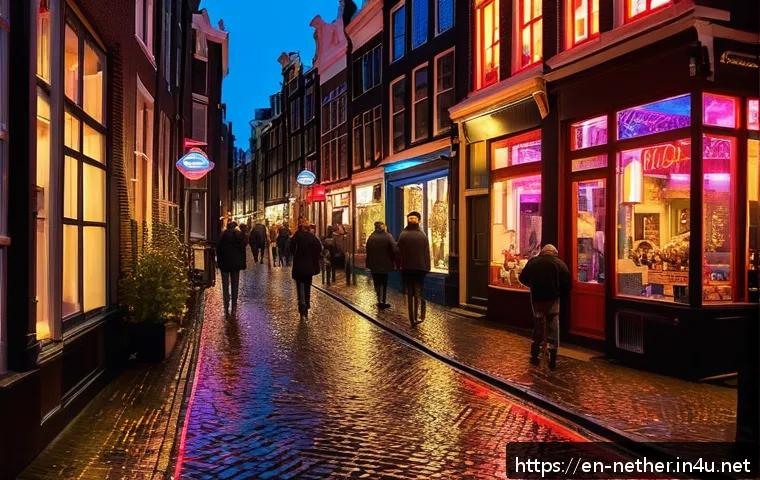
Visiting Amsterdam’s Red Light District can be an unforgettable experience, but recent changes in local regulations and heightened safety measures mean it’s more important than ever to navigate this unique area with respect and awareness.
Whether you’re drawn by curiosity or history, knowing the essential dos and don’ts will help you enjoy your visit responsibly while honoring the people and culture that make this district so distinctive.
From understanding photography rules to respecting personal boundaries, these guidelines ensure both your safety and a positive atmosphere for everyone involved.
Stick around to discover practical tips that will enhance your trip and keep you on the right side of local customs. Let’s dive into how you can experience Amsterdam’s vibrant nightlife with confidence and care.
Understanding the Local Etiquette and Respecting Boundaries
Why Respect Matters in the Red Light District
Visiting Amsterdam’s Red Light District isn’t just about sightseeing; it’s about entering a space where people live and work under unique circumstances.
The workers here deserve the same respect you’d offer anyone in their workplace. I’ve noticed that when visitors approach with curiosity but maintain respectful distance, interactions are smoother and the atmosphere stays positive.
It’s crucial to remember that these workers are professionals who set clear boundaries, and honoring those boundaries helps keep everyone safe and comfortable.
Disrespectful behavior can quickly ruin the experience—not just for you, but for others around you.
How to Approach Without Crossing Lines
One of the biggest mistakes tourists make is invading personal space or trying to engage without permission. When you’re walking past the windows, avoid tapping on glass or shouting to get attention.
Instead, a polite nod or smile is more than enough if you want to acknowledge the presence of the workers. Remember, this isn’t a tourist attraction in the traditional sense; it’s a workplace.
I’ve found that simply observing quietly and refraining from disruptive behavior goes a long way in creating a respectful environment.
Dealing with Uncomfortable Situations
If you ever feel uncomfortable or witness inappropriate behavior from others, it’s okay to remove yourself from the situation. The area is patrolled regularly, and local police are approachable if you need help.
I once saw a group getting a bit too rowdy, and after a quick word from a nearby officer, things calmed down immediately. Always trust your instincts and prioritize your safety.
Being aware and prepared helps you enjoy your visit without unwanted stress.
Photography Rules You Need to Know
Why Taking Photos Is a Sensitive Issue
Photography in the Red Light District is a hot topic because it directly affects the privacy and dignity of the workers. Taking pictures of the windows or the people behind them without explicit consent is strictly prohibited.
I learned this the hard way when a local guide explained how invasive it feels to have cameras pointed at you all day. It’s not only disrespectful but can also lead to legal consequences.
So, even if the scene looks “iconic” or “Instagram-worthy,” it’s best to keep your camera tucked away.
Safe Ways to Capture Memories
That said, you can still document your trip responsibly. Focus on the architecture, the street life, or the vibrant cafes around the district instead of the windows.
I personally enjoy snapping photos of the colorful signs, the canals nearby, or even the street performers. This way, you get to remember your experience without crossing any ethical lines or upsetting locals.
What Happens If You’re Caught Taking Photos
Authorities and workers take photography violations seriously. If caught, you might be asked to delete photos or even face fines. I once overheard a tourist being politely but firmly asked to put their phone away by a worker.
It’s a quick reminder that rules are in place for good reasons. Being mindful not only protects others but also saves you from an awkward or costly situation.
Navigating Safety and Personal Security
Staying Alert in a Bustling Environment
The Red Light District is lively and vibrant, but like any busy tourist spot, it requires staying alert. Pickpocketing can happen, especially in crowded areas during peak hours.
I always recommend carrying a secure bag and keeping your valuables close. Watching your surroundings doesn’t mean being paranoid—it’s just smart travel behavior.
Enjoy the energy, but keep your wits about you.
Using Licensed Services and Venues
One of the ways I’ve ensured safety is by sticking to licensed venues and services. The city has strict regulations on the windows and related businesses, so choosing places that comply with these rules is safer and supports legal workers.
Avoiding unlicensed tours or underground offerings not only protects you but also respects the local system designed to protect workers.
Emergency Contacts and Support
Knowing who to call or where to go if something goes wrong is key. The police station near the district is known to be friendly and helpful, and many establishments have staff trained to assist tourists.
I keep a local emergency number saved on my phone just in case. It’s a small step that provides peace of mind when exploring a district with such a unique atmosphere.
How to Enjoy the Nightlife Responsibly
Balancing Fun and Respect
The nightlife in the Red Light District is unlike any other, with a mix of bars, clubs, and live entertainment. I’ve found that pacing yourself and being mindful of noise levels helps maintain a good vibe for everyone.
Loud, disruptive behavior can quickly sour the night for locals and visitors alike. When you’re out enjoying drinks or music, remember the neighborhood is a living community, not just a party zone.
Choosing Where to Spend Your Evening
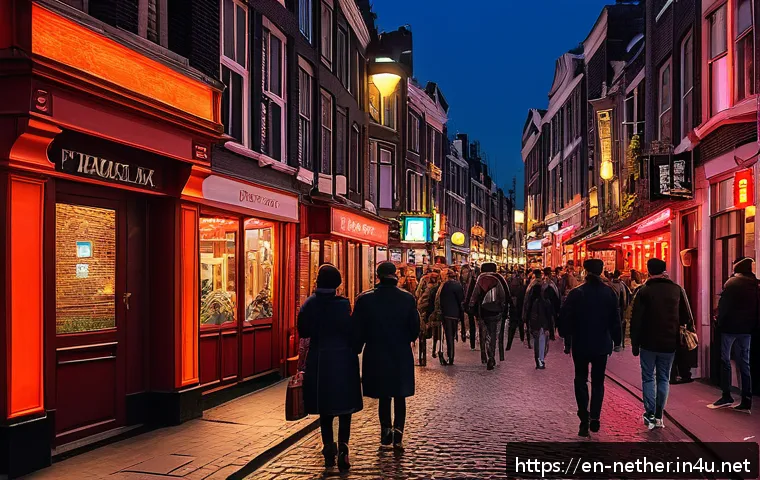
Not every venue in the area is created equal. Some places are more tourist-heavy, while others cater to locals or have a more relaxed vibe. I like to ask locals or trusted guides for recommendations to avoid tourist traps and find spots that offer authentic experiences.
This approach not only enhances your night but also supports businesses that are part of the community.
Transportation Tips for Late Nights
Getting back safely after a night out is crucial. Public transport in Amsterdam runs late, but in the Red Light District, it’s often easier to use trams or taxis.
I’ve used ride-hailing apps frequently and found them reliable and safe. Avoid walking alone late at night through less populated streets, especially if you’re unfamiliar with the area.
Planning your route ahead makes the night stress-free.
Understanding Legal Framework and Local Policies
Recent Regulatory Changes Impacting Visitors
Amsterdam has updated many of its regulations around the Red Light District to improve safety and quality of life for workers and residents. For example, certain streets have restricted access after specific hours to reduce noise and crime.
I noticed that these rules have made the area feel more secure and family-friendly without losing its unique character. Staying informed about these changes before you visit helps you avoid unintentional rule-breaking.
What Is Allowed and What Isn’t
Besides photography and public behavior, other activities like drug use and unlicensed services are strictly forbidden. The city enforces these laws rigorously.
I’ve seen police patrols frequently, which reassures me that the area is well-monitored. If you’re unsure about what’s permitted, asking a local or consulting official resources can prevent misunderstandings.
How Regulations Affect Your Experience
While some may feel that rules limit freedom, they actually enhance the overall experience by creating a safer and more welcoming environment. Personally, I appreciate knowing that the city prioritizes the well-being of both visitors and workers.
This balance is what makes Amsterdam’s Red Light District stand out as a world-famous and respected destination.
Practical Tips for First-Time Visitors
Timing Your Visit for the Best Experience
The district’s vibe changes depending on the time of day. Early evenings tend to be more relaxed and less crowded, which is perfect for those wanting to soak in the atmosphere without the buzz of nightlife.
I usually recommend visiting around sunset when the streets light up but before the late-night rush begins. This timing allows you to appreciate the area’s charm while avoiding overwhelming crowds.
What to Wear and Bring
Comfortable shoes are a must since you’ll be walking a lot on cobblestone streets. Dress casually but neatly—nothing too flashy or revealing, as that can attract unwanted attention.
Also, carrying a small flashlight or using your phone’s light can be helpful when navigating dimly lit alleys. I always bring a portable phone charger too; it’s a lifesaver during long nights out.
Budgeting Your Visit
Prices in the Red Light District can vary widely. While some bars and eateries are reasonably priced, others cater to upscale tastes and budgets. The same applies to services offered behind the windows.
I suggest setting a clear budget beforehand to avoid surprises. Here’s a simple breakdown of common expenses I’ve encountered:
| Category | Typical Price Range | Notes |
|---|---|---|
| Drinks (Bars & Cafes) | €3 – €8 | Prices vary by venue and time of day |
| Entry to Clubs | €10 – €20 | Some have cover charges, check in advance |
| Window Services | €50 – €150 | Depends on services and duration |
| Taxis & Public Transport | €3 – €15 | Depends on distance and time |
Conclusion
Visiting Amsterdam’s Red Light District offers a unique glimpse into a vibrant and complex community. By respecting local customs and boundaries, you help maintain a safe and positive environment for everyone. Staying informed about rules and practicing mindful behavior enhances your experience while supporting the well-being of workers and residents alike.
Helpful Information
1. Always respect personal boundaries and treat workers as professionals to ensure a smooth visit.
2. Photography is strictly regulated; avoid taking pictures of windows or workers without permission.
3. Stay alert in crowded areas to protect your belongings and use licensed venues for safety.
4. Pace yourself during nightlife to balance fun with respect for the local community.
5. Plan your visit timing and budget in advance to enjoy the district comfortably and responsibly.
Key Takeaways
Understanding and honoring the unique nature of the Red Light District is essential for a respectful and enjoyable visit. Prioritize safety by staying aware and choosing official services. Remember that local regulations are designed to protect both workers and visitors, ensuring the district remains a welcoming and secure place. Ultimately, your attitude and actions contribute greatly to the overall atmosphere and your own memorable experience.
Frequently Asked Questions (FAQ) 📖
Q: Is it allowed to take photos in
A: msterdam’s Red Light District? A1: Taking photos inside the Red Light District is strictly prohibited, especially of the windows where sex workers are present.
This rule is in place to protect the privacy and safety of the workers. If you’re caught photographing without permission, you could face fines or be asked to leave the area.
It’s best to respect these boundaries and focus on enjoying the atmosphere without invading anyone’s privacy.
Q: What are the best ways to stay safe while visiting the Red Light District at night?
A: Staying safe in the Red Light District mainly comes down to being aware of your surroundings and respecting local rules. Stick to well-lit streets, avoid excessive alcohol consumption, and keep your belongings secure as pickpocketing can happen in crowded spots.
Also, don’t engage in aggressive behavior or harassment. If you feel uncomfortable, trust your instincts and move to a busier area or seek help from the police or local security.
Q: How can visitors show respect to the sex workers and local community during their visit?
A: Respect starts with treating everyone as you’d want to be treated. Don’t touch or try to interact with the sex workers unless they initiate. Always ask for consent if you’re curious about their work, and avoid disruptive behavior like loud noises or flashing lights.
Supporting local businesses like cafes and shops in the area also helps maintain the neighborhood’s positive vibe. Remember, this district is a living community, so your respectful attitude can make a big difference.