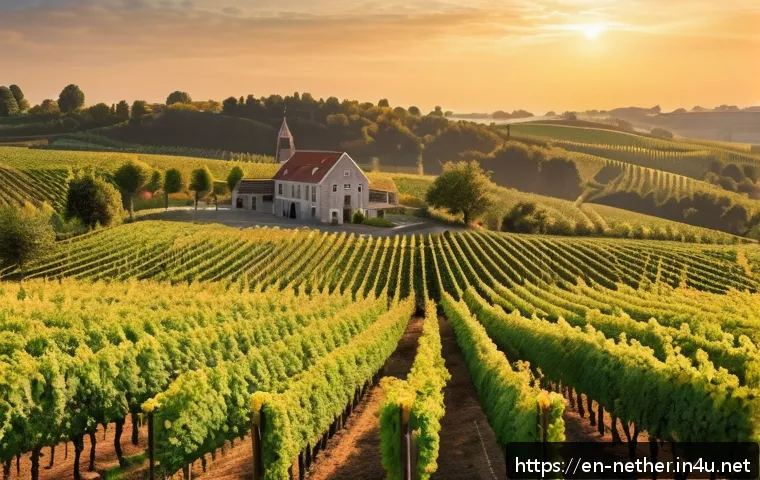
If you thought the Netherlands was only about tulips and windmills, think again—Dutch vineyards are quietly gaining global attention. With climate change nudging grape cultivation northward, the Dutch wine scene is blossoming in unexpected ways.

Whether you’re a seasoned wine lover or just curious about new flavors, exploring these hidden gems offers a fresh perspective on European winemaking.
Join me as we uncover top wineries where tradition meets innovation, and taste the future of wine in the heart of the Low Countries. Trust me, these vineyards are worth adding to your travel bucket list!
Discovering Dutch Terroir: A New Chapter in Winemaking
The Unique Climate Advantage
The Netherlands may not be the first place that comes to mind when you think of vineyards, but the shifting climate patterns are turning this traditionally cool country into a promising spot for grape growing.
Thanks to milder winters and longer, warmer summers, grapevines can now thrive where they struggled before. I remember visiting a vineyard near the coast last summer, and it was surprising to see rows of healthy vines basking in the soft sun—a clear sign that nature is adapting in fascinating ways.
This climate shift doesn’t just allow for survival; it opens doors to crafting distinctive wines with fresh, crisp profiles influenced by the maritime breeze.
Soil and Landscape: A Surprising Match for Grapes
Dutch soils vary widely, with sandy, clay, and limestone-rich patches offering diverse conditions for vine roots. What’s really interesting is how winemakers are experimenting to find which grape varieties best suit each soil type.
For example, the sandy soils near Limburg provide excellent drainage, which stresses vines just enough to concentrate flavors in the grapes. It’s a delicate balance, but when achieved, it results in wines that carry subtle mineral notes and a vibrant acidity, making them perfect companions for seafood dishes that are abundant in the region.
Blending Tradition with Innovation
What sets Dutch vineyards apart is their embrace of both old-world techniques and cutting-edge technology. Some wineries still use manual harvesting and traditional fermentation methods passed down through generations, while others incorporate temperature-controlled stainless steel tanks and solar-powered equipment.
I had the chance to chat with a winemaker who proudly showed me their eco-friendly initiatives, blending sustainability with quality production. This combination creates wines that not only taste exceptional but also reflect a commitment to the environment, a value increasingly important to modern consumers.
Hidden Gems: Where to Taste Authentic Dutch Wines
Family-Owned Vineyards with a Personal Touch
Many of the best Dutch wineries are family-run, where passion and legacy play a central role. These intimate settings allow visitors to connect deeply with the winemaking process, often guided by the owners themselves.
I recall a visit to a small vineyard where the owner enthusiastically shared stories about their first harvest and how each vintage tells a story of the year’s weather and care.
These personal touches translate into wines with character and soul—qualities that bigger commercial operations sometimes miss.
Wine Tourism Experiences Beyond the Bottle
Dutch vineyards have been expanding their visitor offerings beyond just tastings. From vineyard tours by bike to pairing workshops featuring local cheeses and breads, there’s a growing trend toward immersive experiences.
I joined a sunset tasting event where each sip was paired with seasonal foods, creating a sensory journey that brought the region’s terroir to life. These activities are perfect for travelers who want to dive deeper into the culture and craft behind each glass.
Seasonal Festivals and Events
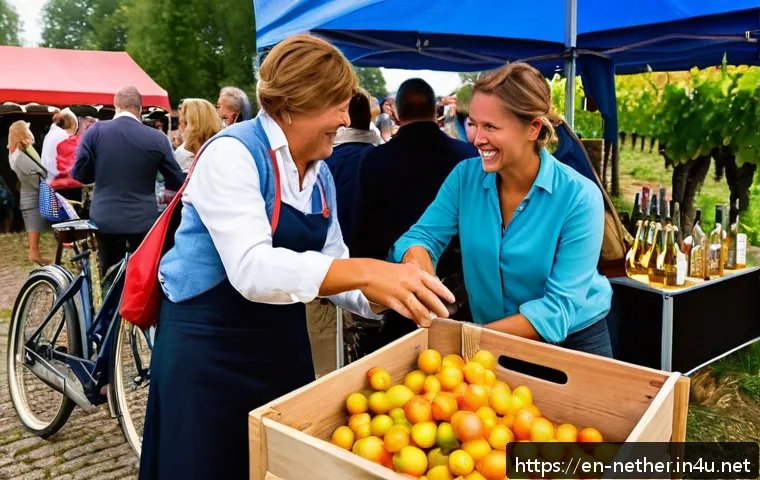
If you time your visit right, you can catch grape harvest festivals or wine fairs that celebrate the local industry with music, food stalls, and, of course, plenty of wine sampling.
These lively events showcase the community spirit behind Dutch winemaking and offer a chance to mingle with locals and fellow enthusiasts alike. Attending one felt like stepping into a vibrant celebration of nature’s bounty, with laughter and clinking glasses filling the air.
Exploring Dutch Grape Varieties and Wine Styles
White Varietals Leading the Way
The Dutch wine scene leans heavily toward white grapes, with varieties like Johanniter, Solaris, and Riesling thriving in cooler conditions. These grapes produce wines known for their crisp acidity, floral aromas, and refreshing minerality.
I found that many whites from the Netherlands have a bright, zesty character that pairs beautifully with light dishes, making them a favorite for summer sipping.
Tasting these wines felt like discovering a new take on familiar flavors, often with a surprising twist of citrus or green apple.
Emerging Reds and Rosés
While whites dominate, red grape cultivation is gaining momentum, especially with varieties like Regent and Pinot Noir. These reds tend to be lighter-bodied and fruit-forward, often with a subtle earthiness reflecting the northern terroir.
Rosés, too, are becoming popular for their versatility and vibrant color. Sampling a Dutch rosé on a warm afternoon gave me a sense of the country’s evolving palate—a blend of tradition and playful experimentation.
Effervescent Delights: Dutch Sparkling Wines
Sparkling wines from the Netherlands are carving out a niche, thanks to the cool climate’s ability to maintain high acidity—an essential trait for quality bubbles.
Many producers use the traditional method, similar to Champagne, to craft lively and elegant sparkling wines. I remember the first sip of a Dutch brut sparkling wine that surprised me with its delicate mousse and crisp finish, perfect for celebrations or simply elevating an ordinary day.
Understanding Dutch Wine Labels and Buying Tips
Decoding Label Information
Navigating Dutch wine labels can be a bit tricky at first, especially since some use Dutch terms or regional names unfamiliar to many international buyers.
Key terms like “wijn” (wine), “druif” (grape), and region names such as Limburg or Gelderland often appear prominently. I’ve found it helpful to familiarize myself with these basics before shopping, so I know what to expect in terms of style and origin.
Labels also often indicate vintage and alcohol content, which are useful clues about the wine’s character and intensity.
Where to Buy Authentic Dutch Wines
While Dutch wines are becoming more widely available, the best selections are often found at specialty wine shops or directly at the vineyards themselves.
Ordering online from reputable Dutch wine merchants is also a convenient option, especially if you want to explore a curated range. I personally prefer buying at the vineyard because it gives me the chance to sample different varieties and get personalized recommendations, making the experience much richer.
Price Range and Value
Dutch wines generally offer excellent value, especially considering their quality and the relatively young nature of the industry. You can find approachable bottles in the $15–$30 range, with premium selections reaching higher prices but still reasonable compared to more established wine regions.
The balance between price and uniqueness makes Dutch wines a smart choice for adventurous drinkers eager to try something new without breaking the bank.
The Sustainability Movement in Dutch Winemaking
Eco-Friendly Vineyard Practices
Many Dutch winemakers are pioneers in sustainable agriculture, adopting organic or biodynamic farming methods. The emphasis is on reducing chemical inputs, encouraging biodiversity, and preserving soil health.
I visited a vineyard where they used natural predators instead of pesticides and installed bee-friendly plants around the vines. This approach not only benefits the environment but also enhances the expression of terroir in the wine, creating a purer taste that reflects the land.
Renewable Energy and Waste Reduction
It’s inspiring to see how technology and tradition merge in Dutch wineries committed to sustainability. Solar panels, rainwater harvesting, and waste composting are becoming standard features.
One winery I toured even uses leftover grape skins to produce natural dyes and animal feed, demonstrating a zero-waste philosophy. These efforts reduce the carbon footprint and appeal to eco-conscious consumers who want their wine choices to align with their values.
Community Engagement and Education
Sustainability in Dutch winemaking goes beyond the vineyard—it includes educating visitors and locals about responsible practices. Many wineries host workshops and tours focused on environmental awareness, encouraging everyone to participate in preserving the landscape.
This community spirit strengthens the connection between people and place, making every bottle a shared achievement rather than just a product.
Planning Your Dutch Wine Tour: Practical Tips
Best Time to Visit Vineyards
Spring and early autumn are ideal for visiting Dutch vineyards. Spring offers lush green vines and blossoming flowers, while autumn showcases the grape harvest in full swing with vibrant colors and lively celebrations.
I went in September once, and the atmosphere was electric, with the whole region buzzing around the harvest. Weather-wise, these seasons tend to be pleasant without the summer crowds, making for a more relaxed experience.
Getting Around: Transport Options
Public transport in the Netherlands is excellent, but some vineyards are tucked away in rural areas where a car or bike rental is handy. Cycling between vineyards is a popular and scenic choice, especially in flat regions like Limburg.
I highly recommend renting a bike for part of your trip—it’s both eco-friendly and gives you a chance to soak up the landscape at your own pace, stopping whenever a vineyard or café catches your eye.
Local Cuisine Pairings
Dutch wines pair beautifully with regional dishes such as smoked eel, aged Gouda cheese, and hearty stews. I found that pairing a crisp white with local seafood or a light red with game meats truly enhanced the flavors of both the food and the wine.
Many wineries offer tasting menus or recommendations, so don’t hesitate to ask. Exploring these combinations is like adding a delicious chapter to your wine adventure.
| Winery | Location | Specialty | Unique Feature | Recommended Wine |
|---|---|---|---|---|
| St. Martinus | Limburg | White & Sparkling | Traditional method sparkling wines | St. Martinus Brut |
| De Kleine Schorre | Zeeland | Organic White & Red | Eco-friendly practices with sea influence | Johanniter White |
| Wijngaard De Linie | Gelderland | Rosé & Red | Family-run with personalized tours | Regent Rosé |
| Vignerons de la Mer | North Holland | White & Dessert | Innovative vineyard technology | Solaris Late Harvest |
The Future Outlook of Dutch Wine
Expanding Varietals and Styles
The Dutch wine industry is still young, and winemakers are eager to experiment with new grape varieties and techniques. I’ve noticed a growing trend toward hybrid grapes that resist disease and adapt well to cooler climates.
This innovation points to a dynamic future where Dutch wines could surprise even the most seasoned connoisseurs with unexpected depth and complexity. The willingness to innovate makes the Netherlands a fascinating place to watch in the wine world.
International Recognition and Market Growth
While Dutch wines are still relatively niche internationally, they’re steadily gaining accolades and presence in global markets. I’ve seen Dutch bottles featured in upscale restaurants and boutique wine shops across Europe and beyond.
This rising reputation not only boosts local economies but also encourages further investment in quality and sustainability. It feels like the beginning of a new chapter for European wine that includes the Low Countries in a meaningful way.
Community and Cultural Impact
Beyond commerce, the growth of vineyards is fostering a deeper appreciation for local landscapes and traditions. Dutch winemaking promotes regional pride and creates new opportunities for tourism and cultural exchange.
During my visits, I’ve witnessed how these vineyards become hubs for storytelling, connecting people with the land and each other. This cultural vitality enriches the experience and invites everyone to be part of the journey toward a vibrant, sustainable future in wine.
In Conclusion
Exploring Dutch wine reveals a vibrant and evolving landscape shaped by unique climate conditions, innovative winemaking, and deep respect for tradition. The Netherlands is emerging as a noteworthy player in the wine world, offering fresh and exciting flavors that invite both curiosity and appreciation. Whether you’re a seasoned wine lover or a curious traveler, Dutch wines provide a delightful journey worth savoring.
Useful Information to Know
1. The best time to visit Dutch vineyards is during spring and early autumn, offering beautiful scenery and lively harvest events.
2. Renting a bike is a popular and eco-friendly way to explore vineyards, especially in regions like Limburg.
3. Dutch white wines often showcase bright acidity and floral notes, making them perfect for pairing with local seafood and light dishes.
4. Many Dutch wineries prioritize sustainability, using organic farming and renewable energy to produce environmentally friendly wines.
5. Purchasing wines directly from vineyards or specialized shops ensures access to authentic selections and personalized recommendations.
Key Takeaways
The Dutch wine industry is blossoming thanks to a combination of favorable climate shifts and innovative practices. Sustainability is deeply embedded in vineyard management, reflecting a commitment to quality and the environment. Visitors can enjoy authentic experiences through family-owned wineries, engaging tours, and seasonal festivals. Understanding local grape varieties and label terminology enhances the tasting experience, while the growing international recognition promises an exciting future for Dutch wines. Ultimately, embracing this emerging wine region offers a unique blend of tradition, innovation, and cultural richness.
Frequently Asked Questions (FAQ) 📖
Q: uestionsQ1: Is Dutch wine really worth trying compared to more established wine regions in Europe?
A: Absolutely! While the Netherlands might not have the centuries-old reputation of France or Italy, Dutch wines are surprising in quality and flavor. Thanks to innovative techniques and the shifting climate, local winemakers are crafting crisp whites and elegant reds that stand out.
I personally visited several vineyards and was impressed by their freshness and unique profiles—definitely a delightful discovery for any wine enthusiast.
Q: When is the best time to visit Dutch vineyards for tours and tastings?
A: The prime season is late spring through early autumn, typically from May to September. This period offers the best weather for vineyard strolls and fully matured grapes.
I found early summer visits especially charming, with the vines lush and the wineries buzzing with activity. Booking in advance is a good idea, as some spots are small and intimate, making for a more personalized experience.
Q: What types of wines are most commonly produced in the Netherlands?
A: Dutch wineries mainly focus on white varieties like Bacchus, Johanniter, and Solaris, which thrive in cooler climates and produce vibrant, aromatic wines.
However, some vineyards are experimenting with reds and sparkling wines as well. From my tasting sessions, the sparkling wines stood out with their crispness and finesse, making them perfect for celebrations or casual sipping alike.