If you’ve been craving authentic Korean flavors while exploring the Netherlands, you’re in for a treat. The rising popularity of Korean cuisine here means more hidden gems and trendy spots are popping up, offering everything from sizzling barbecue to comforting bibimbap.
Whether you’re a local foodie or just curious about Korean food culture, this guide will take you through must-visit restaurants that truly capture the heart of Korea.
Get ready to indulge your taste buds and discover why Korean eats are becoming the next big thing in the Dutch food scene. Let’s dive into some unforgettable dining experiences you won’t want to miss!
Exploring Korean Barbecue Delights in the Netherlands
Finding the Perfect Grill Experience
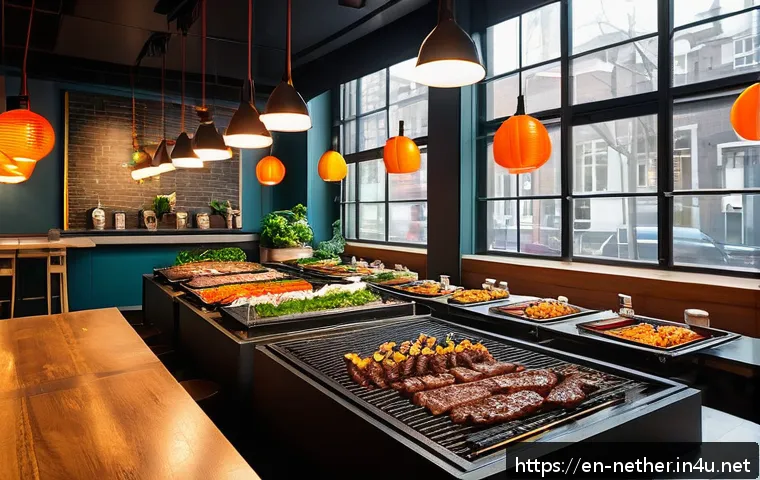
One of the most thrilling ways to dive into Korean cuisine is through authentic Korean barbecue, and the Netherlands has some standout spots that genuinely capture this interactive dining style.
From charcoal grills to gas grills embedded in the table, these restaurants offer a hands-on experience that’s both fun and delicious. What I noticed during my visits is how the quality of meat and the variety of side dishes, or banchan, can truly elevate the meal.
Many places also provide marinated options like bulgogi or spicy pork, which add layers of flavor without overwhelming the palate. It’s not just about grilling meat; it’s about savoring the entire ritual, including wrapping grilled pieces in lettuce with garlic, chili paste, and dipping sauces.
This communal and lively atmosphere is something you don’t want to miss out on.
Top Spots with Unique Ambiance
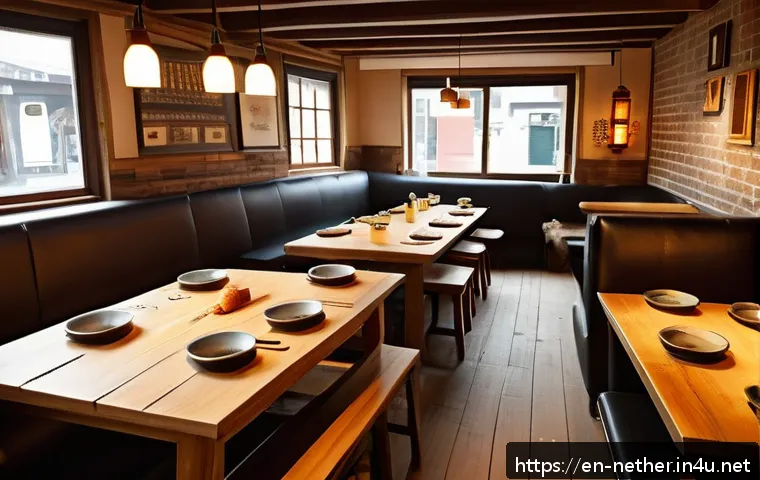
While some restaurants focus on a modern, sleek design, others bring a cozy, traditional Korean vibe that makes you feel like you’ve stepped into Seoul.
I found that places with open kitchens where you can see chefs preparing fresh ingredients add an extra layer of trust and excitement to the meal. Plus, some venues offer all-you-can-eat options, which are perfect for groups or those wanting to try a bit of everything without worrying about the bill adding up quickly.
It’s fascinating how these restaurants have adapted to Dutch tastes while maintaining the authenticity of Korean barbecue, balancing spice levels and side dishes to appeal to a wider audience.
Pairing Your Meal with Korean Drinks
Korean barbecue isn’t complete without the right drinks to complement the flavors. Many places in the Netherlands stock traditional Korean beverages like soju and makgeolli, which provide a refreshing contrast to the grilled meats.
Personally, I enjoy the slightly sweet and fizzy makgeolli, especially when paired with spicy pork belly. For those who prefer non-alcoholic options, Korean teas and soft drinks like banana-flavored milk are often available and surprisingly addictive.
It’s worth asking the staff for pairing recommendations; they often suggest combinations that might not be obvious but really enhance the overall dining experience.
Cozy Korean Comfort Food for Every Season
Bibimbap and Beyond: Heartwarming Rice Bowls
When the weather turns chilly, nothing beats a steaming bowl of bibimbap, a classic Korean rice dish mixed with vegetables, meat, and a spicy gochujang sauce.
In the Netherlands, several Korean eateries have perfected this dish, balancing fresh ingredients with the right amount of heat. What stood out to me was how some places add their own twist, like using Dutch-grown vegetables or locally sourced beef, which surprisingly works well without losing the authentic taste.
Bibimbap is not just filling but also incredibly nutritious, making it a go-to meal for busy days or when you want something wholesome and satisfying.
Soups and Stews That Warm the Soul
Another Korean comfort food category gaining traction is the variety of soups and stews like kimchi jjigae, doenjang jjigae, and soondubu jjigae. These dishes are deeply flavorful, often combining fermented ingredients with fresh produce and tender proteins.
I’ve found that Korean restaurants here often adjust the spice level to suit local palates while keeping the depth of flavor intact. These hearty dishes are perfect for colder months but honestly, I’ve enjoyed them year-round.
The comforting warmth and bold flavors provide a perfect antidote to a hectic day, and they come with side dishes that make every spoonful exciting.
Vegetarian and Vegan Korean Options
Korean cuisine is traditionally meat-heavy, but the Netherlands’ growing vegetarian and vegan scene has inspired several Korean places to innovate. I’ve tried bibimbap variations loaded with mushrooms, tofu, and a rainbow of veggies, all served with vegan gochujang.
Some restaurants now offer plant-based versions of classic stews and barbecue dishes using meat substitutes that hold up surprisingly well. This evolution makes Korean food accessible to a wider audience, and I appreciate how these spots balance authenticity with inclusivity, ensuring no one misses out on the rich Korean flavors.
Hidden Gems for Korean Street Food Lovers
Discovering Authentic Tteokbokki and Kimbap
If you’re craving quick bites packed with flavor, Korean street food is an absolute must-try. Places specializing in tteokbokki—spicy rice cakes—and kimbap—Korean sushi rolls—have been quietly popping up around Dutch cities.
These dishes are perfect for a casual lunch or a late-night snack. I’ve found that the best spots use fresh rice cakes and homemade sauces, which makes a huge difference compared to the frozen or overly sweet versions you sometimes find.
The texture of chewy rice cakes combined with a spicy, slightly sweet sauce hits all the right notes. Meanwhile, kimbap offers a refreshing contrast, with various fillings wrapped in seaweed and rice, making it a portable and satisfying meal.
Snacks That Bring Back Memories
For those who’ve traveled to Korea or lived there, these street food spots are nostalgic. I personally felt a wave of warmth eating hotteok, the sweet syrup-filled pancakes, at a small vendor in Amsterdam.
The crispy outside and gooey inside are just as good as what I had on the streets of Seoul. Many places also serve mandu (Korean dumplings) and twigim (fried snacks), which are perfect for sharing.
These snacks are not only delicious but also budget-friendly, ideal for students or anyone wanting to enjoy authentic flavors without breaking the bank.
Where to Find These Street Food Spots
Most of these hidden gems are tucked away in multicultural neighborhoods or near university campuses, where there’s a mix of locals and international students craving authentic tastes.
I recommend checking out areas like Rotterdam’s Oude Haven or Amsterdam’s De Pijp, where you can stumble upon small Korean food stalls or casual eateries.
The vibe is relaxed and unpretentious, perfect for a quick bite or casual hangout.
Modern Korean Fusion: A Twist on Tradition
Innovative Menus Blending Dutch and Korean Ingredients
One of the most exciting developments in the Dutch Korean food scene is the rise of fusion restaurants that creatively blend traditional Korean flavors with local Dutch ingredients.
I visited a place in Utrecht where they serve kimchi risotto and gochujang-infused stroopwafels, and the result was surprisingly harmonious. These chefs honor Korean culinary roots while experimenting boldly, making the cuisine approachable for those unfamiliar with Korean food.
It’s refreshing to see such innovation because it broadens the appeal and invites more people to explore Korean tastes in new ways.
Trendy Cafés and Dessert Spots
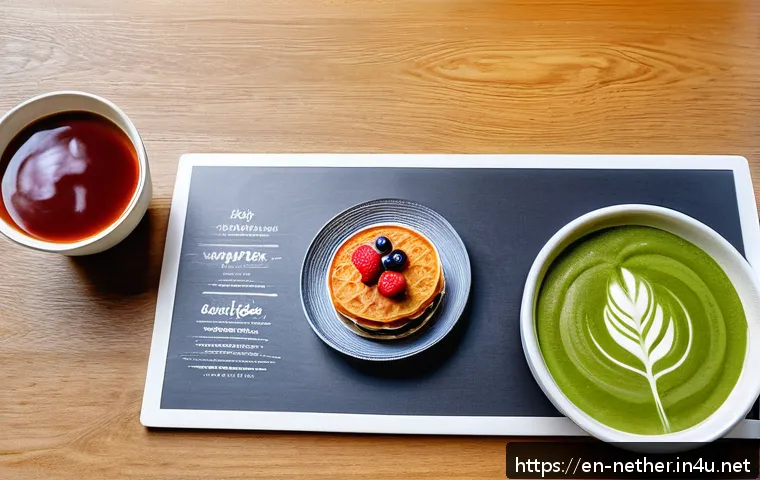
Beyond savory dishes, Korean-inspired cafés in the Netherlands are gaining popularity for their desserts and drinks. From matcha-infused bingsu to black sesame lattes, these spots offer a cozy environment perfect for relaxing with friends.
I enjoyed a Korean-style honey butter toast topped with whipped cream and fresh fruit that was both indulgent and unique. These cafés often incorporate minimalist, Instagram-friendly aesthetics that attract a younger crowd, combining food culture with lifestyle trends seamlessly.
How Fusion Influences the Food Scene
Fusion Korean restaurants are not only about flavor but also about cultural exchange. I noticed that these eateries often host events, cooking classes, or tasting sessions that educate visitors on Korean traditions while showcasing local adaptations.
This interactive approach enriches the culinary scene and fosters a deeper appreciation for Korean culture. It’s exciting to see how these hybrid concepts are shaping the future of dining in the Netherlands.
Essential Korean Condiments and Side Dishes to Try
The Role of Banchan in Korean Meals
Korean meals are incomplete without banchan, the small side dishes that accompany every main course. In the Netherlands, I’ve observed that restaurants put a lot of effort into providing a variety of banchan, including kimchi, pickled radish, seasoned spinach, and bean sprouts.
These sides offer a balance of flavors and textures—spicy, sour, crunchy, and savory—that complement the main dishes perfectly. Sampling banchan is like taking a mini culinary tour of Korea within one meal, and it’s a great way to experience the diversity of Korean cuisine.
Must-Try Korean Sauces and Pastes
Gochujang (red chili paste), doenjang (fermented soybean paste), and ssamjang (a dipping sauce made from a mix of soybean paste and chili paste) are staples that add depth and complexity to dishes.
I personally find gochujang incredibly versatile, whether mixed into bibimbap or used as a marinade for meat. Dutch Korean restaurants often sell these condiments in-store, which is a fantastic opportunity for home cooks to experiment.
Using these authentic sauces at home can elevate your cooking and bring the essence of Korean flavor to your kitchen.
How to Incorporate Korean Flavors at Home
For those inspired to try cooking Korean food themselves, starting with simple dishes like bibimbap or bulgogi is a great idea. I recommend buying fresh ingredients and authentic sauces from Korean grocery stores scattered across major Dutch cities.
You can easily create a satisfying meal with minimal effort, and once you get the hang of balancing flavors, the possibilities are endless. Cooking Korean food at home also deepens your understanding of the culture and lets you customize dishes to your taste, which is a rewarding experience.
Comparing Popular Korean Restaurants Across Dutch Cities
| City | Restaurant Name | Specialty | Price Range | Atmosphere |
|---|---|---|---|---|
| Amsterdam | Seoul Garden | Korean BBQ & Bibimbap | €20-35 per person | Modern and lively |
| Rotterdam | Kimchi House | Traditional Korean stews | €15-30 per person | Cozy and authentic |
| Utrecht | Fusion Seoul | Korean-Dutch fusion dishes | €25-40 per person | Trendy and innovative |
| Den Haag | Banchan Delight | Street food & snacks | €10-20 per person | Casual and friendly |
| Maastricht | Bibim Café | Comfort food & vegetarian options | €15-25 per person | Relaxed and welcoming |
Tips for Enjoying Korean Dining in the Netherlands
How to Navigate the Menu Like a Pro
Many Korean restaurants in the Netherlands have menus that blend Dutch and English, but sometimes the dishes may still feel unfamiliar. I find it helpful to ask the staff for recommendations or explanations, especially for popular dishes or specials of the day.
Don’t hesitate to request milder spice levels if you’re sensitive to heat—Dutch Korean chefs are usually accommodating. Sampling a variety of dishes in one sitting, like ordering a combo or sharing plates, is a great way to get a full taste of Korean cuisine without overcommitting to a single dish.
Booking and Peak Times
Some of the more popular Korean spots, especially those in Amsterdam and Rotterdam, can get quite busy during weekends and evenings. I learned the hard way that making a reservation ahead of time ensures you won’t be left waiting, especially if you’re with a group.
Lunchtime visits are often less crowded and can be a great opportunity to enjoy the atmosphere at a more relaxed pace. Also, keep an eye out for special deals or events, as many restaurants offer discounts or themed nights that provide excellent value.
Bringing Korean Flavors Home
After experiencing Korean dining out, many people want to bring those flavors into their own kitchen. Luckily, the Netherlands has several Korean grocery stores where you can find essential ingredients like kimchi, gochujang, and rice cakes.
I recommend starting with easy recipes and experimenting gradually. Cooking Korean food at home is not only fun but also deepens your appreciation for the culture.
Plus, it’s a fantastic way to impress friends and family with dishes that are both exotic and comforting.
In Conclusion
Exploring Korean cuisine in the Netherlands offers a rich blend of authentic flavors and innovative twists. Whether you’re indulging in traditional barbecue, comforting rice bowls, or street food delights, there’s something for every palate and occasion. The vibrant dining scenes across Dutch cities showcase how Korean culture continues to thrive and adapt. Embracing these experiences not only satisfies your taste buds but also deepens your appreciation for a dynamic culinary tradition.
Helpful Tips to Keep in Mind
1. Always ask the staff for dish recommendations or ingredient details to better navigate unfamiliar menus.
2. Make reservations ahead of busy evenings or weekends to avoid long waits, especially in popular cities.
3. Don’t hesitate to request milder spice levels if you’re sensitive to heat; most restaurants are accommodating.
4. Explore Korean grocery stores for authentic ingredients to try cooking your favorite dishes at home.
5. Look out for special events, all-you-can-eat deals, or themed nights to enjoy great value and unique experiences.
Key Takeaways for Enjoying Korean Dining
Understanding the communal nature of Korean barbecue and the role of banchan enhances your meal enjoyment. Fusion restaurants are expanding the culinary landscape, making Korean food more accessible without losing authenticity. Street food spots offer budget-friendly, nostalgic flavors that bring a taste of Korea’s vibrant culture to the Netherlands. Lastly, being open to trying new dishes and flavors, while balancing spice and portion sizes, will make your Korean dining adventure truly memorable.
Frequently Asked Questions (FAQ) 📖
Q: uestionsQ1: Where can I find the best authentic Korean barbecue in the Netherlands?
A: If you’re after that sizzling, smoky Korean barbecue experience, cities like Amsterdam and Rotterdam have some fantastic spots. Many places use imported charcoal grills and offer a variety of marinated meats, from bulgogi to spicy pork.
Based on my visits, look for restaurants with open grills at the table and a lively atmosphere—those tend to serve the most authentic flavors. Booking in advance is often recommended as these places get busy, especially on weekends.
Q: Are there Korean restaurants in the Netherlands that cater to vegetarians or vegans?
A: Absolutely! Korean cuisine naturally includes many plant-based dishes like bibimbap, japchae (glass noodles with veggies), and tofu stews. Several Korean eateries in the Netherlands have started highlighting vegetarian and vegan options due to growing demand.
Just make sure to ask about the broth or sauces, as some may contain fish or meat. Personally, I found that smaller, family-run places often provide more customized vegetarian dishes upon request.
Q: How affordable is Korean food in the Netherlands compared to other international cuisines?
A: Korean food tends to be reasonably priced, especially considering portion sizes and the quality of ingredients. While some upscale Korean restaurants may be a bit pricier, many casual spots offer delicious meals within a moderate budget—think around €10-€20 for a hearty bibimbap or barbecue set.
Compared to cuisines like Japanese or French, Korean dining here strikes a great balance between affordability and authenticity, making it a fantastic option for both casual meals and special outings.