With the Netherlands buzzing back to life after recent travel surges, now is the perfect time to dive into its vibrant shopping scene. Whether you’re hunting for cutting-edge fashion or timeless Dutch design, the country offers a blend of modern malls and iconic local brands that truly stand out.
From bustling city centers to charming boutique-lined streets, each spot tells a unique story you won’t want to miss. Stick around as we explore where to shop like a local and uncover hidden gems that promise a memorable retail adventure.
Trust me, after experiencing these firsthand, your next trip to the Netherlands will never be the same!
Discovering the Heartbeat of Dutch Retail
Unraveling the Urban Shopping Tapestry
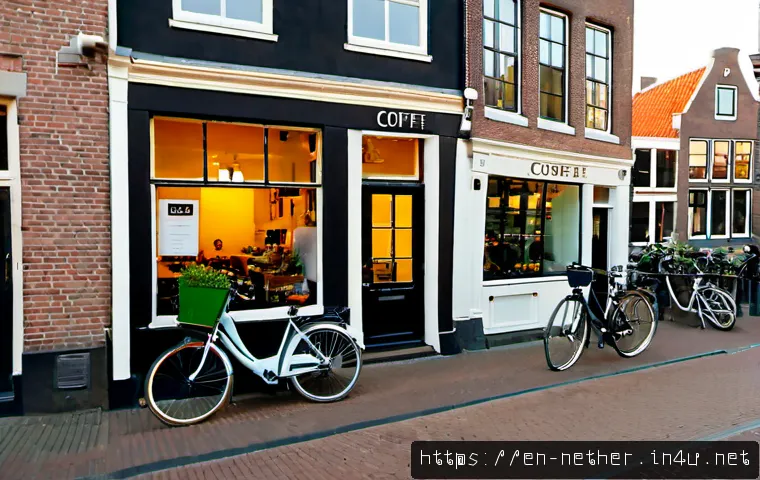
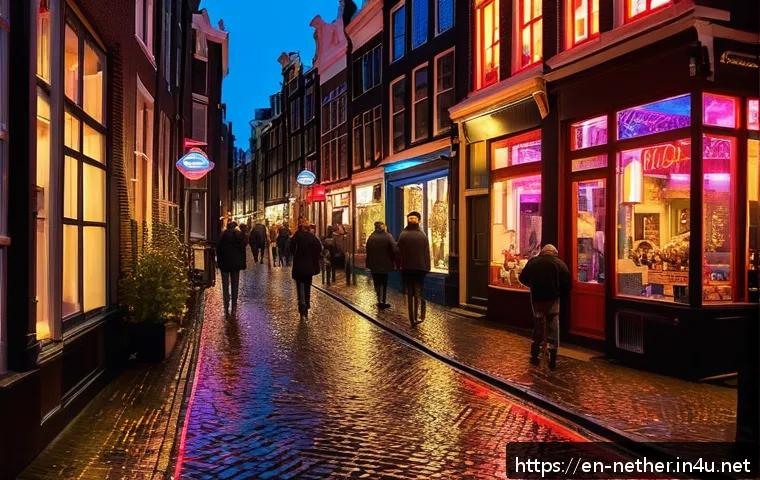
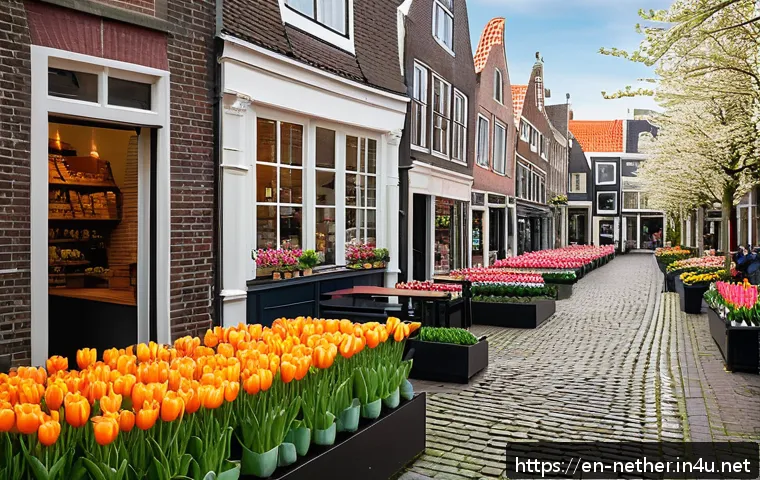
The lively streets of Dutch cities are more than just thoroughfares; they’re vibrant shopping arteries pulsing with energy and variety. As you stroll down bustling avenues, you’ll encounter a mix of contemporary boutiques, artisanal shops, and lively markets that cater to every taste and style.
What I found fascinating is how these urban shopping areas blend seamlessly with the local culture — you’re not just buying items, but also soaking in the city’s spirit.
The charm lies in the mix of old and new: cobblestone streets leading to sleek storefronts, and centuries-old architecture housing modern retail experiences.
It’s this dynamic juxtaposition that makes shopping in the Netherlands uniquely captivating.
Neighborhood Gems: Where Locals Love to Shop
Venture beyond the mainstream retail hubs and you’ll discover neighborhoods filled with independent stores and hidden gems. These areas are often overlooked by tourists but cherished by locals for their authenticity and personalized service.
Here, you can find handcrafted goods, unique fashion pieces, and Dutch design items that aren’t mass-produced. Shopping in these districts feels like stepping into someone’s creative world, where each product tells a story.
I remember picking up a beautifully crafted leather bag from a small workshop that the owner passionately explained, making the purchase feel special and deeply connected to Dutch craftsmanship.
Seasonal Markets and Pop-Up Experiences
One of the most exciting aspects of shopping in the Netherlands is the seasonal markets and pop-up shops that appear throughout the year. These temporary setups bring an element of surprise and exclusivity, often showcasing local artisans, fresh designs, and limited-edition products.
From vibrant flower markets bursting with color to Christmas markets offering festive delights, these spots are perfect for immersive shopping experiences.
What makes them stand out is the lively atmosphere — vendors sharing stories behind their crafts, live music, and the mingling of shoppers creating a community vibe.
It’s a shopping adventure that goes beyond just buying; it’s about discovery and connection.
Embracing Dutch Design: A Blend of Tradition and Innovation
The Essence of Minimalist Elegance
Dutch design is renowned worldwide for its clean lines, functional aesthetics, and understated elegance. When exploring shopping venues, you’ll notice this philosophy reflected in a wide range of products — from home décor to fashion accessories.
What struck me was how simplicity doesn’t mean boring; instead, it emphasizes quality and thoughtful detail. Many local designers incorporate sustainable materials and innovative techniques, making each item not only stylish but also environmentally conscious.
Shopping for Dutch design feels like investing in timeless pieces that blend seamlessly with any lifestyle.
Iconic Brands with a Fresh Perspective
While the Netherlands is home to several internationally recognized brands, the real thrill is discovering newer labels that reinterpret Dutch design values for modern consumers.
These emerging brands often combine traditional craftsmanship with contemporary flair, resulting in collections that are both trendy and deeply rooted in heritage.
I had the chance to chat with a young designer who shared how they draw inspiration from Dutch landscapes and urban life, crafting pieces that resonate with both locals and visitors.
Supporting these brands means contributing to the vibrant creative ecosystem thriving across the country.
Where to Find Authentic Dutch Design
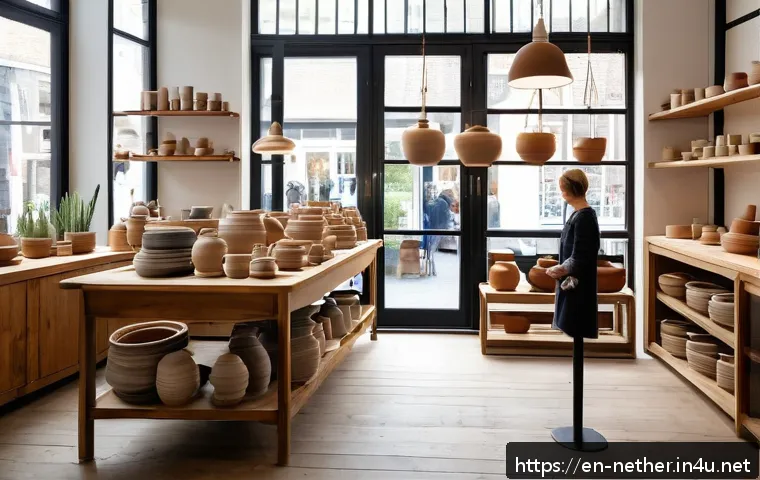
Authentic Dutch design shops are sprinkled throughout major cities and smaller towns alike. They often operate in spaces that reflect their design ethos — minimalist interiors, open layouts, and a focus on showcasing the products themselves.
Many of these shops also offer custom-made options or limited runs, allowing shoppers to own something truly unique. When I visited a design boutique tucked away on a quiet street, the owner invited me to explore their workshop upstairs, giving me a behind-the-scenes glimpse of the creative process.
Such experiences enrich the shopping journey, turning it into a personal and memorable affair.
A Modern Mall Experience with a Local Twist
Contemporary Shopping Centers with Cultural Flair
Contrary to what you might expect, the Netherlands’ modern shopping centers aren’t just generic malls. They often incorporate elements of Dutch culture and design into their architecture and retail mix.
Walking into these malls, you’ll find an inviting atmosphere with a blend of international brands and local stores, creating a diverse shopping environment.
What I appreciated most was the way these centers offer more than just shopping — they host events, art installations, and culinary experiences that make spending time there enjoyable beyond browsing products.
Balancing Convenience and Character
While large malls prioritize convenience and variety, many have managed to preserve a sense of character by carefully selecting their tenants and maintaining a welcoming ambiance.
I noticed that some malls have dedicated zones for Dutch startups and pop-up spaces, giving visitors a chance to explore fresh ideas and products that aren’t yet mainstream.
This balance between global appeal and local authenticity makes these shopping centers a great starting point for anyone wanting to experience the Netherlands’ retail scene without missing its unique flavor.
Family-Friendly Features and Amenities
For those traveling with family, Dutch malls often provide excellent amenities that make shopping easier and more pleasant. From play areas for kids to cozy cafés and efficient public transport links, these centers cater to diverse needs.
Personally, I found it comforting to have rest spots and kid-friendly zones scattered throughout, allowing everyone to enjoy the outing at their own pace.
This thoughtful approach reflects the country’s overall emphasis on quality of life and customer experience, turning a simple shopping trip into a relaxing day out.
Exploring Boutique Streets and Artisan Corners
Charming Streets Lined with Independent Shops
Many Dutch cities feature quaint streets where independent boutiques and artisan shops cluster together, creating inviting corridors of creativity. These streets often have a distinct personality, with each store offering something different — from handmade jewelry to vintage fashion and bespoke home goods.
As I wandered through one such area, I was drawn to the friendly shopkeepers who welcomed questions and shared stories about their craft. Shopping here feels personal and engaging, a refreshing contrast to the anonymity of larger retail spaces.
Artisan Workshops and Interactive Shopping
A unique aspect of these boutique areas is the presence of workshops where artisans create their products in full view of customers. This transparency adds depth to the shopping experience, allowing you to appreciate the skill and effort behind each item.
I once spent an afternoon watching a ceramicist shape delicate pottery while explaining their techniques and inspiration. Being able to see, touch, and even customize products turns shopping into an interactive and educational adventure, making the items you take home all the more meaningful.
Supporting Local Creativity and Sustainability
Shopping in these artisan corners often means supporting sustainable practices and local economies. Many shop owners prioritize eco-friendly materials, ethical production methods, and community engagement.
From my experience, buying from these boutiques not only results in unique purchases but also contributes to preserving cultural heritage and promoting responsible consumption.
It’s a feel-good way to shop that aligns with the growing global movement toward mindful living.
Hidden Treasures in Vintage and Secondhand Markets
The Thrill of the Hunt for Unique Finds
Vintage and secondhand markets in the Netherlands offer a treasure trove of one-of-a-kind items that appeal to collectors and casual shoppers alike. These markets are vibrant hubs where history meets fashion, and every stall tells a story.
I found the thrill of hunting through racks of retro clothing and stacks of vinyl records addictive — the excitement of uncovering a rare piece is unmatched.
Plus, shopping secondhand adds an eco-conscious element to your retail adventure, reducing waste and promoting reuse.
Where to Experience Authentic Market Atmospheres
Some of the best markets are held weekly or monthly in iconic city squares or converted warehouses, creating lively social scenes that combine shopping with food stalls and live music.
These events draw diverse crowds, from locals seeking bargains to tourists hunting souvenirs. I vividly remember the energy of one weekend market where the blend of smells, sounds, and colorful displays made the entire experience unforgettable.
It’s not just about buying; it’s about immersing yourself in a community celebration of culture and style.
Tips for Navigating and Negotiating at Markets
Shopping at these markets can be a bit daunting if you’re new to the scene, but a few tips can make all the difference. Don’t hesitate to chat with vendors — many are passionate about their goods and happy to share stories or negotiate prices.
Arriving early or late can affect the selection and deals available, so timing matters. Personally, I found that having a flexible mindset and a sense of adventure turned the hunt into a fun challenge rather than a chore.
Remember, the best finds often come from patience and a keen eye.
Local Flavors and Specialty Food Shops as Shopping Destinations
Gourmet Delights Beyond Souvenirs
Food shops in the Netherlands offer more than just edible souvenirs; they’re gateways to understanding Dutch culture through taste. Specialty stores selling cheeses, chocolates, spices, and artisanal breads invite shoppers to indulge in high-quality, locally sourced products.
I discovered that many of these shops also provide tastings and workshops, making the experience interactive and educational. Sampling a rich aged Gouda or a delicate stroopwafel fresh from the oven adds layers of enjoyment to your shopping day.
Markets Bursting with Fresh and Local Produce
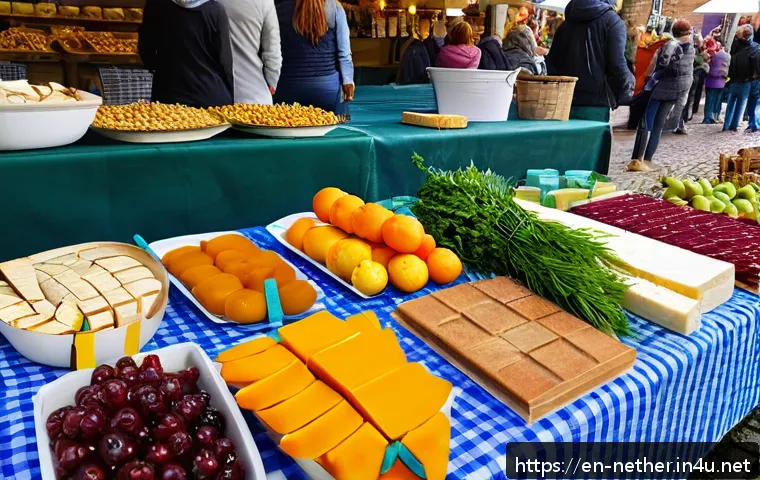
Farmers’ markets and food halls are vibrant spots where you can mingle with locals and sample fresh seasonal produce. These markets often feature organic and sustainable offerings, reflecting the country’s commitment to healthy living.
What I appreciated was the opportunity to talk directly with producers and learn about their methods, which deepened my appreciation for the food and the people behind it.
Shopping here feels wholesome and connected to the land, a refreshing break from conventional grocery stores.
Pairing Culinary Shopping with Cultural Exploration
Many food shops and markets are situated in historic neighborhoods or near cultural landmarks, allowing you to combine shopping with sightseeing. This synergy enhances the overall experience, as you can enjoy a leisurely stroll, explore architectural gems, and then treat yourself to local delicacies.
On one occasion, after exploring a quaint museum, I stopped by a nearby food hall to pick up some specialty cheeses and freshly baked bread, turning my afternoon into a delightful sensory journey.
Essential Shopping Tips for Navigating Dutch Retail
Timing Your Visits for the Best Deals and Experiences
Understanding the rhythm of Dutch shopping seasons can significantly enhance your experience. Sales periods, usually in January and July, offer excellent opportunities to snag high-quality items at reduced prices.
Additionally, weekdays and early mornings tend to be less crowded, allowing for a more relaxed browsing atmosphere. From my own trips, I learned that planning around these times not only saves money but also lets you enjoy stores without the hustle, making the shopping journey more pleasant and efficient.
Payment Methods and Language Considerations
The Netherlands is highly cashless, with debit and contactless payments being the norm even in small shops and markets. While many stores accept credit cards, having a local debit card or mobile payment app can make transactions smoother.
English is widely spoken, so communication is rarely an issue, but a few polite Dutch phrases can go a long way in building rapport with shopkeepers. I found that a simple “Dank je” (thank you) was always appreciated and sometimes sparked friendly conversations that enriched my visit.
Packing and Shipping Solutions for Travelers
If you’re worried about carrying your shopping haul, many stores offer shipping services directly to your home country. This convenience is especially handy for bulky or fragile items.
Some boutiques also provide durable packaging or travel-friendly options, making it easier to bring back your treasures. On one trip, I took advantage of a shop’s shipping service for a delicate ceramic piece, and it arrived safely without any hassle.
Planning ahead for packing and shipping can help you shop freely without worrying about logistics.
| Shopping Area | Unique Features | Best For | Local Tips |
|---|---|---|---|
| Urban Retail Districts | Blend of old architecture and modern stores | Fashion, everyday shopping | Explore side streets for hidden boutiques |
| Neighborhood Artisan Zones | Independent shops, handcrafted goods | Unique gifts, Dutch design | Engage with shop owners for stories |
| Seasonal Markets | Temporary stalls, local crafts | Limited editions, fresh designs | Visit early for best selection |
| Modern Malls | Cultural events, mix of brands | Convenience, family-friendly | Check event schedules for extras |
| Vintage Markets | Secondhand treasures, retro items | Collectors, eco-conscious shoppers | Negotiate prices politely |
| Specialty Food Shops | Local delicacies, tastings | Gourmet souvenirs, culinary gifts | Pair with nearby cultural sites |
In Conclusion
Exploring Dutch retail offers more than just shopping — it’s an immersive journey into culture, creativity, and community. From vibrant urban districts to hidden artisan corners, every experience reflects the Netherlands’ unique blend of tradition and innovation. Whether you’re hunting for timeless design or savoring local flavors, the Dutch retail landscape invites you to connect deeply with the spirit of the country.
Helpful Information to Remember
1. Plan your visit during sales seasons in January and July to enjoy the best discounts and a more relaxed shopping atmosphere.
2. Embrace cashless payments using contactless cards or mobile apps, which are widely accepted across stores and markets.
3. Engage with local shop owners and artisans — their stories add meaningful context to your purchases and enrich your experience.
4. Take advantage of shipping services offered by many boutiques, especially for fragile or bulky items, to travel light.
5. Combine shopping with cultural exploration by visiting markets and shops located near historic sites or vibrant neighborhoods.
Key Takeaways for a Successful Shopping Experience
Understanding the Dutch retail scene means appreciating its balance between modern convenience and authentic local charm. Prioritize exploring smaller neighborhoods and artisan shops to discover unique, sustainable products that carry personal stories. Keep in mind that timing, payment methods, and a willingness to interact with vendors greatly enhance your experience. Above all, approach your shopping adventure with curiosity and openness to truly connect with the rich culture behind every item you find.
Frequently Asked Questions (FAQ) 📖
Q: What are the best areas to shop for unique Dutch design in the Netherlands?
A: If you want to experience authentic Dutch design, head to neighborhoods like Jordaan in Amsterdam or the Nine Streets (De Negen Straatjes) area. These spots are filled with boutique shops showcasing local artists and designers.
You’ll find everything from minimalist home decor to innovative fashion pieces that truly capture the Dutch aesthetic. These areas offer a cozy, less touristy vibe, so you can shop at your own pace and discover hidden gems.
Q: Are there any modern shopping malls worth visiting in the Netherlands?
A: Absolutely! Places like De Bijenkorf in Amsterdam and Hoog Catharijne in Utrecht are fantastic for those who want a mix of high-end brands and popular international labels.
These malls combine sleek modern architecture with a wide range of stores, so whether you’re after cutting-edge fashion or tech gadgets, you’ll find it all under one roof.
Plus, they often have great cafes and restaurants where you can recharge after a long shopping spree.
Q: How can I shop like a local and avoid the usual tourist traps?
A: To shop like a local, try exploring smaller towns or less crowded neighborhoods where independent stores thrive. Instead of sticking to the main streets, wander through side alleys and local markets, especially on weekends.
Places like Rotterdam’s Katendrecht or Haarlem’s Grote Markt area offer authentic shopping experiences with local flair. Also, don’t hesitate to chat with shop owners—they often share stories behind their products, making your visit more personal and memorable.