Visiting the Van Gogh Museum and the Rembrandt House offers two distinct journeys into the world of Dutch art, each reflecting unique facets of history and creativity.
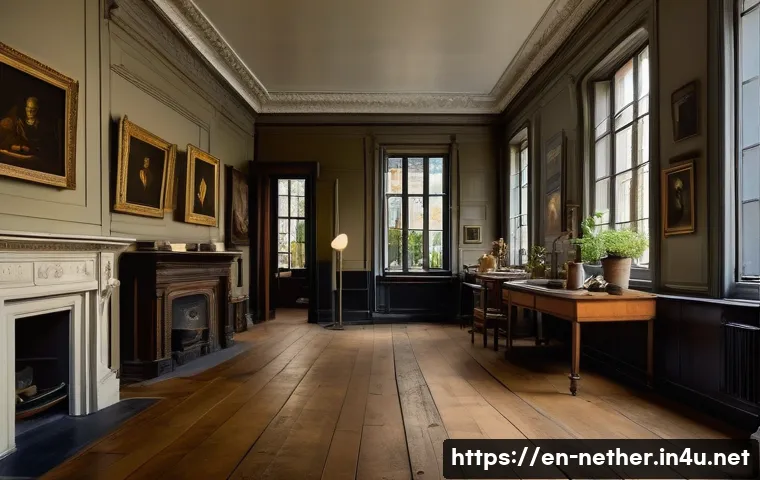
While the Van Gogh Museum showcases an extensive collection of one of the most emotionally charged painters, the Rembrandt House invites you into the intimate space where the master himself lived and worked.
Both places capture different artistic legacies and atmospheres that deeply resonate with visitors. Exploring these landmarks reveals contrasting experiences—one rooted in vivid self-expression, the other in historical context and craftsmanship.
Let’s dive deeper into what sets these iconic museums apart and discover which one might inspire you more!
The Emotional Impact of Van Gogh’s Art
Immersive Color and Brushwork
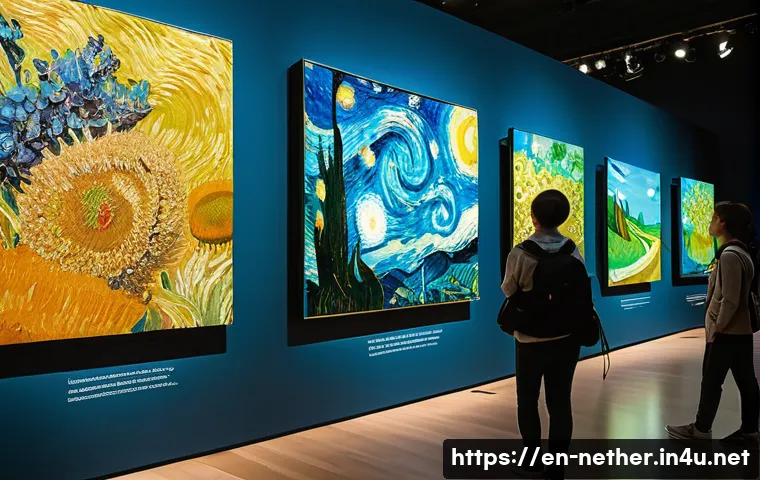
Van Gogh’s paintings are like emotional explosions on canvas. When you stand before works such as “Starry Night” or “Sunflowers,” you feel a surge of energy created by his bold colors and thick, swirling brushstrokes.
It’s hard to stay indifferent—his style pulls you into his troubled yet passionate world. Walking through the Van Gogh Museum, I found myself mesmerized by how every piece seemed to vibrate with raw feeling, almost as if the artist’s spirit was still alive in the room.
This intensity creates a deeply personal connection, making the experience unforgettable.
Portraits of a Tormented Soul
The museum doesn’t just display paintings; it tells the story of Van Gogh’s struggles and triumphs. His self-portraits, in particular, reveal a man grappling with inner demons yet refusing to give up on art.
I remember feeling a strange mix of sadness and admiration as I observed these works. It’s this emotional narrative woven through the collection that sets the Van Gogh Museum apart—each piece is a window into the artist’s mind, making you reflect on the complexities of creativity and mental health.
The Modern Presentation and Technology
One of the things I appreciated about the Van Gogh Museum was how it integrates technology without overshadowing the art. Interactive displays provide context about his techniques and life events, enriching the visit without distracting from the paintings themselves.
This modern touch makes the museum accessible to all ages, blending education with emotional impact. It’s a fine balance that enhances understanding while preserving the raw power of the artworks.
Stepping Back in Time at the Rembrandt House
The Intimate Setting of the Artist’s Home
Visiting the Rembrandt House is like stepping into a time capsule. Unlike the Van Gogh Museum’s modern vibe, this place feels cozy and lived-in. Walking through the rooms where Rembrandt painted, mixed pigments, and entertained guests, I could almost imagine the daily rhythms of his life.
The wooden floors, period furniture, and old tools create a tangible link to the 17th century, making the experience feel like a personal encounter with history rather than just an art exhibit.
Understanding the Craft Behind the Masterpieces
The Rembrandt House offers a fascinating glimpse into the artist’s working methods. You get to see his etching presses and original sketches, which highlight the painstaking effort behind his masterpieces.
This hands-on insight into the craftsmanship changed how I view his art—it’s not just about the final image but the dedication and innovation involved in every stroke.
For anyone curious about artistic process, this museum is a treasure trove of information and inspiration.
Historical Context and the Dutch Golden Age
Beyond Rembrandt himself, the house immerses you in the cultural and social backdrop of the Dutch Golden Age. Exhibits explain the flourishing trade, politics, and daily life that influenced his work.
I found this context enriching because it helps you appreciate the layers behind his portraits and biblical scenes. The museum also hosts temporary exhibitions that explore related themes, making each visit potentially unique and deeply educational.
The Visitor Experience: Atmosphere and Engagement
Van Gogh Museum’s Contemporary Energy
The Van Gogh Museum attracts a diverse crowd, from art lovers to tourists drawn by the fame of the painter. The atmosphere buzzes with excitement and curiosity, and the layout encourages a smooth flow through the galleries.
I noticed many visitors stopping to absorb every detail, often whispering to companions or jotting down notes. The museum’s café and gift shop also offer charming spots to relax and reflect, which adds to the overall visitor satisfaction.
Quiet Reflection in Rembrandt’s House
In contrast, the Rembrandt House exudes a quieter, more contemplative vibe. Visitors tend to move slowly, soaking in the atmosphere and imagining the artist’s daily life.
Because it’s smaller and less crowded, it feels like a private retreat where you can connect deeply with history. The staff are knowledgeable and often share stories that bring the past alive, enhancing the sense of intimacy and personal engagement.
Accessibility and Visitor Services
Both museums are well-equipped for visitors, but their approaches differ. The Van Gogh Museum offers audio guides in multiple languages and detailed informational panels, catering to a wide international audience.
The Rembrandt House, while smaller, provides guided tours that add valuable depth to the visit. Personally, I found that booking a guided tour at the Rembrandt House made the experience far richer, uncovering details I might have missed otherwise.
Artistic Styles and Themes Explored
Van Gogh’s Post-Impressionism
Van Gogh’s style is marked by vivid colors, emotional intensity, and innovative brushwork, all hallmarks of Post-Impressionism. His themes often revolve around nature, human emotion, and spirituality.
Walking through the museum, it’s clear that each painting carries a unique story, reflecting his evolving mental and emotional states. This makes his work not just visually striking but also deeply meaningful.
Rembrandt’s Mastery of Light and Shadow
Rembrandt, on the other hand, is renowned for his mastery of chiaroscuro—the dramatic interplay of light and shadow. His portraits reveal psychological depth and complexity, capturing subtle human emotions with remarkable realism.
The house’s exhibits highlight how he used these techniques to tell stories and evoke mood, which is why his work remains influential centuries later.
Thematic Focus and Artistic Legacy
While Van Gogh’s art is intensely personal and expressive, Rembrandt’s legacy lies in his ability to depict universal human experiences with technical brilliance.
The museums emphasize these differences beautifully, allowing visitors to appreciate the broad spectrum of Dutch art history—from turbulent self-expression to refined craftsmanship and storytelling.
Planning Your Visit: Practical Considerations
Location and Accessibility
The Van Gogh Museum is located in Amsterdam’s Museumplein, a vibrant area packed with cultural institutions, making it easy to combine visits with other attractions.
The Rembrandt House is situated in the historic center, close to canals and quaint streets, perfect for a leisurely exploration of old Amsterdam. Both are easily accessible by public transport, though the Van Gogh Museum tends to be busier and might require advance ticket booking.
Ticketing and Entry Tips
For the Van Gogh Museum, I strongly recommend buying tickets online ahead of time to avoid long queues, especially during peak tourist seasons. The Rembrandt House, being smaller, also offers timed entry, but it’s generally less crowded.
If you want a deeper understanding, consider guided tours or audio guides—they’re worth the investment for the richer experience.
Duration and What to Expect
Expect to spend about two hours at the Van Gogh Museum to fully absorb the collection and multimedia displays. The Rembrandt House visit typically takes around an hour, but adding a guided tour can extend this.
Both places have charming cafés, so you can unwind and process the experience afterward, which I always find helps make the visit more memorable.
Comparing the Museums Side by Side
| Aspect | Van Gogh Museum | Rembrandt House |
|---|---|---|
| Art Focus | Post-Impressionist paintings by Van Gogh | Rembrandt’s living and working environment, etchings, sketches |
| Atmosphere | Modern, energetic, emotionally charged | Historical, intimate, contemplative |
| Visitor Experience | Interactive displays, large crowds, multilingual guides | Guided tours, small groups, personal storytelling |
| Location | Amsterdam Museumplein, cultural hub | Historic city center near canals |
| Duration | 2+ hours recommended | 1–1.5 hours, longer with tours |
| Ticketing | Advance online booking advised | Timed tickets, less crowded |
| Emotional Tone | Expressive, turbulent, vibrant | Reflective, methodical, historic |
How These Museums Inspire Different Perspectives
Van Gogh’s Influence on Personal Expression
Experiencing Van Gogh’s work firsthand made me rethink how art can serve as a powerful outlet for emotions. His fearless use of color and form encourages viewers to embrace vulnerability and creativity in their own lives.
For artists or anyone seeking inspiration, the museum offers a vivid lesson in how personal struggles can fuel artistic innovation.
Rembrandt’s Legacy of Technical Excellence
The Rembrandt House, by contrast, impressed me with the sheer skill and discipline behind each piece. It’s a reminder that mastery comes through dedication and attention to detail.
For those fascinated by technique or art history, the museum deepens appreciation for the craft and context that shaped one of the greatest painters in history.
Choosing Your Journey
If you crave emotional intensity and vibrant storytelling, the Van Gogh Museum will likely resonate more deeply. But if you prefer a quieter, historically rich experience that unveils the artist’s process and surroundings, the Rembrandt House is the place to be.
Both offer unique windows into Dutch art that can enrich your understanding and spark your own creative spirit.
Conclusion
Visiting both the Van Gogh Museum and the Rembrandt House offers a unique journey through Dutch art, each with its own emotional and historical richness. Whether you’re drawn to Van Gogh’s vibrant expression or Rembrandt’s meticulous mastery, these museums provide unforgettable insights into the artists’ lives and legacies. Experiencing their works up close deepens appreciation and sparks inspiration in ways that go far beyond the canvas.
Useful Information to Know
1. Booking tickets online in advance for the Van Gogh Museum is highly recommended to avoid long lines, especially during busy seasons.
2. Guided tours at the Rembrandt House can greatly enhance your visit by providing in-depth stories and context you might otherwise miss.
3. Both museums are easily accessible by public transportation, but plan your visit according to their locations—Museumplein for Van Gogh and the historic center for Rembrandt.
4. Allocate around two hours for the Van Gogh Museum to fully engage with the collection, while the Rembrandt House typically requires about an hour, longer if you join a tour.
5. Don’t miss the cafés at both locations—they offer a perfect spot to relax and reflect on the art and history you’ve just experienced.
Key Takeaways
Understanding the distinct atmospheres and focuses of these museums helps tailor your visit to your interests—whether you seek emotional intensity or historical craftsmanship. Advance planning, including ticket purchases and tour bookings, ensures a smoother and richer experience. Both museums not only celebrate artistic genius but also invite visitors to connect personally with the stories and techniques behind the masterpieces, making each visit meaningful and memorable.
Frequently Asked Questions (FAQ) 📖
Q: What are the main differences in the visitor experience between the Van Gogh Museum and the Rembrandt House?
A: Visiting the Van Gogh Museum feels like stepping into the vibrant, emotional world of one of history’s most passionate painters. The museum offers a vast collection of Van Gogh’s works, along with detailed insights into his life and struggles, making it a deeply immersive and visually powerful experience.
On the other hand, the Rembrandt House provides a more intimate journey, allowing visitors to walk through the actual home and studio where Rembrandt lived and created.
It’s less about a broad art collection and more about understanding the historical context, techniques, and daily life of the master artist. So, while Van Gogh’s museum dazzles with color and intensity, the Rembrandt House invites quiet reflection on craftsmanship and history.
Q: How much time should I allocate to fully enjoy both museums?
A: To really soak in the Van Gogh Museum, I’d recommend setting aside at least two to three hours. There’s a lot to see, including paintings, drawings, and letters, plus audio guides that enrich the experience.
The Rembrandt House, being smaller and more focused on the living space and studio, usually takes about an hour to an hour and a half. Personally, I found that spending a bit more time there lets you appreciate the details of his workshop and the atmosphere of 17th-century Amsterdam.
If you plan to visit both in one day, it’s best to start early and maybe grab a coffee break in between to avoid rushing.
Q: Which museum is better suited for families with children?
A: The Van Gogh Museum tends to be more family-friendly, especially for kids who enjoy colorful, expressive art. They often have interactive exhibits and workshops tailored for younger visitors, which can make the experience fun and educational.
The Rembrandt House, while fascinating, might be less engaging for children because it focuses more on historical context and the artist’s living quarters.
However, if your kids are curious about history and old master techniques, they might still find it interesting. In my experience, families appreciate the lively atmosphere and hands-on activities at the Van Gogh Museum, making it a more dynamic choice for kids.