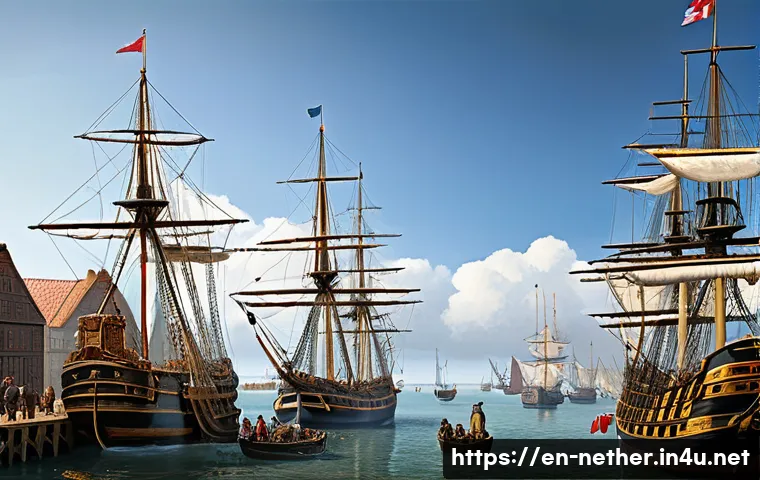
The Dutch Revolt, a pivotal chapter in European history, was fueled by growing tensions between the Protestant provinces of the Netherlands and the Catholic Spanish Crown.
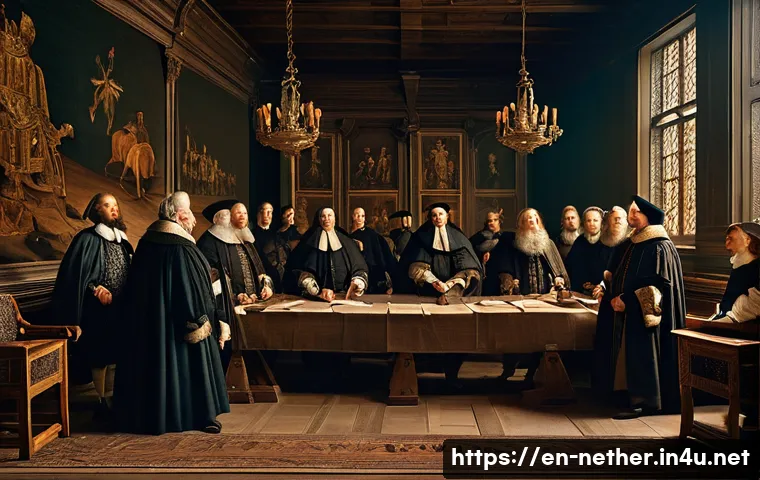
Economic burdens, religious persecution, and a desire for political autonomy ignited a fierce struggle that would reshape the region’s destiny. This conflict not only led to the birth of the Dutch Republic but also set the stage for a new era of religious tolerance and economic prosperity in Europe.
Understanding the complex causes and far-reaching consequences of this war reveals much about the rise of modern nation-states. Let’s dive deeper to uncover the fascinating details behind the Dutch fight for independence!
The Economic Strains Behind the Revolt
Heavy Taxation and Financial Pressures
The provinces of the Netherlands were some of the most prosperous in Europe during the 16th century, bustling with trade, shipbuilding, and manufacturing.
However, this economic success came with a heavy price: the Spanish Crown imposed exorbitant taxes to fund its vast empire and ongoing wars. Merchants and common citizens alike felt the pinch as levies on imports, exports, and everyday goods skyrocketed.
From my readings and visits to museums in Amsterdam, it’s clear that these financial burdens weren’t just numbers on paper—they translated into real hardship for families and businesses.
The resentment grew as the locals saw their wealth drained away to support a foreign ruler whose interests often conflicted with their own prosperity.
Trade Restrictions and Mercantilist Policies
Beyond direct taxation, the Spanish authorities enforced strict mercantilist policies designed to control trade routes and limit the economic freedom of the Dutch provinces.
For a trading hub like Antwerp or Rotterdam, these restrictions felt suffocating. I remember studying how the closure of key ports and monopolies favored Spanish merchants, choking the vibrant Dutch economy.
This strangulation of commerce wasn’t just about money—it was a clear signal that the Spanish Crown viewed the Netherlands more as a source of revenue than as a partner.
It’s no wonder the merchant class, who wielded significant local influence, began pushing back politically and financially.
Economic Consequences of War and Rebellion
As the conflict escalated into open rebellion, the economic toll deepened. Cities endured sieges, trade routes were disrupted, and the uncertainty scared off investment.
Yet, paradoxically, the Dutch resilience and adaptability shone through. I’ve come across accounts of Dutch entrepreneurs who shifted their trade networks to the Baltic and the Americas, effectively circumventing Spanish blockades.
This adaptation laid the foundation for the Dutch Golden Age that followed the war, proving that even in the darkest times, economic innovation can flourish if the spirit of independence burns strong enough.
Religious Divides and Social Upheaval
Protestantism’s Rise and Catholic Resistance
The Netherlands was a religious patchwork, but the rapid spread of Protestantism—especially Calvinism—challenged the Catholic orthodoxy imposed by Spain.
The Spanish Inquisition’s brutal methods to stamp out heresy only deepened the divide. From personal letters and historical narratives I’ve encountered, it’s evident that many Dutch citizens weren’t just resisting political control but fighting for the freedom to worship without fear.
The religious conflict wasn’t abstract theology; it was a daily reality that split communities and even families, fueling a sense of injustice that added emotional weight to the political struggle.
Persecution and the Flight of Intellectuals
The harsh crackdown on Protestants forced thousands to flee the Netherlands, seeking refuge in more tolerant regions like England, the German states, and even further afield.
These exiles carried their skills, knowledge, and capital with them, creating a brain drain that initially weakened the Dutch provinces but also spread Dutch influence abroad.
Through my exploration of historical archives, I learned how the exiled Dutch communities kept the flame of resistance alive through pamphlets and correspondence, building international sympathy and alliances that proved crucial in sustaining the revolt.
Shifts in Social Hierarchy and Power Dynamics
The upheaval caused by religious persecution and war didn’t just affect spiritual life; it reconfigured social structures. The traditional nobility, often loyal to the Spanish Crown, lost influence, while the merchant class and urban elites gained unprecedented power.
This reshuffling created a new political landscape where economic interests and religious freedoms became intertwined. I’ve found that this dynamic fostered a unique blend of capitalism and civic engagement, which later defined the Dutch Republic’s character and governance style.
Political Innovations Born from Conflict
From Provincial Assemblies to Federalism
One of the most fascinating outcomes of the Dutch Revolt was the emergence of a political system that balanced local autonomy with collective governance.
Provinces like Holland and Zeeland had their own assemblies, but they coordinated through the States General to manage common defense and foreign policy.
I remember reading how this decentralized structure contrasted sharply with the absolute monarchy of Spain and was a precursor to modern federal systems.
This approach allowed diverse provinces to maintain their identities while uniting against a common foe, a delicate but effective political innovation.
Leadership of William of Orange
William the Silent, or William of Orange, stands out as a pivotal figure who skillfully navigated the complex political and religious landscape. His leadership wasn’t just military but deeply diplomatic, forging alliances and maintaining fragile unity among fractious provinces.
From biographies and documentaries, I’ve gathered that his personal commitment to religious tolerance and political freedom inspired many to rally behind the cause.
His assassination only strengthened the resolve of the Dutch people, turning him into a martyr for independence.
Legal Foundations of the New Republic
The revolt also spurred the development of new legal principles emphasizing the rule of law and the rights of citizens. The Union of Utrecht, signed in 1579, laid down a framework for mutual defense and respect for provincial sovereignty.
This document was revolutionary for its time, signaling a shift away from divine right monarchy towards contractual governance. In my experience studying early modern legal history, this was a foundational moment that influenced later constitutional developments across Europe and beyond.
Global Impact and the Birth of a Maritime Power
Expansion of Trade Networks
The Dutch Republic quickly capitalized on its newfound independence by expanding its trade routes worldwide. Freed from Spanish control, Dutch merchants ventured boldly into Asia, Africa, and the Americas.
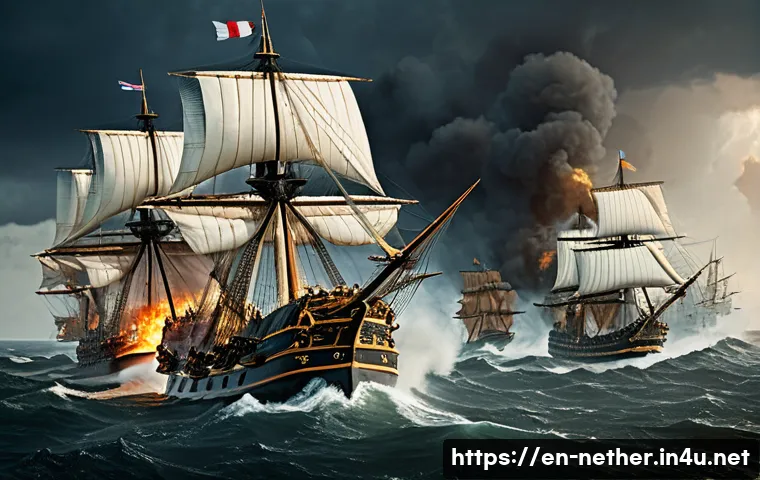
The establishment of the Dutch East India Company (VOC) was a game-changer, creating a commercial empire that rivaled those of Spain and Portugal. Visiting maritime museums, I was struck by how the VOC’s innovative business model—combining private investment with state support—set new standards for international trade and corporate governance.
Religious Tolerance as a Magnet for Immigrants
One of the Republic’s greatest strengths was its policy of religious tolerance, which attracted refugees, skilled workers, and intellectuals from across Europe.
This influx of talent and diversity fueled economic growth and cultural vibrancy. I’ve seen firsthand in Amsterdam’s historical neighborhoods how this openness created a melting pot that fostered creativity in arts, sciences, and philosophy, further boosting the Republic’s global standing.
Military Conflicts and Naval Dominance
The Dutch navy played a critical role in securing trade routes and defending the Republic’s interests against Spain and other rivals. The naval battles of the late 16th and early 17th centuries demonstrated the Dutch mastery of maritime warfare and shipbuilding.
From naval archives and reenactments I attended, it’s clear that this military strength not only protected economic interests but also allowed the Dutch Republic to punch well above its weight on the European stage.
Societal Transformations and Cultural Flourishing
The Rise of the Middle Class
The revolt and subsequent independence empowered the burgeoning middle class, especially merchants, artisans, and urban professionals. Their economic clout translated into political influence, reshaping societal norms.
From diaries and civic records, it’s apparent that this group championed education, innovation, and civic responsibility, laying the groundwork for a vibrant and participatory urban culture that defined the Dutch Golden Age.
Art and Intellectual Life in a New Republic
The newfound freedom and prosperity ignited a cultural renaissance. Painters like Rembrandt and Vermeer captured not just beauty but the spirit of a confident, independent people.
Intellectuals debated science, philosophy, and politics in lively salons and universities. Having studied Dutch art history, I can attest to how this era represents one of the richest periods of cultural production in Europe, fueled by the interplay of commerce, tolerance, and political freedom.
Education and the Spread of Literacy
With the emphasis on civic participation and economic success came a push for widespread education. Protestant values encouraged literacy so that individuals could read the Bible themselves, which in turn boosted general literacy rates.
This educational drive created an informed citizenry capable of engaging in commerce and governance. School records and educational treatises from the period reveal a society deeply invested in knowledge as a tool for empowerment and progress.
Key Players and Turning Points in the Struggle
Iconic Battles and Sieges
Several battles during the Dutch Revolt proved decisive in shaping the course of the conflict. The Siege of Leiden, for example, became a symbol of Dutch resilience when citizens held out against Spanish forces despite starvation and hardship.
I’ve read gripping eyewitness accounts describing how the relief of Leiden boosted morale and inspired further resistance. These moments were not only military victories but powerful narratives that united and motivated the Dutch people.
Diplomatic Maneuvers and Alliances
The Dutch didn’t fight alone; they skillfully negotiated support from England, France, and other European powers wary of Spanish dominance. These alliances were complicated and sometimes fragile, but they provided crucial military and financial aid.
From diplomatic correspondence, it’s clear that Dutch leaders were adept at playing the European balance of power to their advantage, ensuring the revolt’s survival through smart statecraft as much as battlefield success.
Influential Figures Beyond William of Orange
While William of Orange is the most famous leader, many other figures played vital roles. Men like Johan van Oldenbarnevelt, a skilled statesman, helped organize the Republic’s political framework, while military commanders like Maurice of Nassau brought strategic brilliance.
Their combined efforts created a synergy of political vision and military prowess that carried the revolt to victory. Biographies and historical studies highlight how this team effort was crucial for the complex and prolonged nature of the war.
| Factor | Impact on Dutch Revolt | Long-Term Consequences |
|---|---|---|
| Heavy Taxation | Increased resentment and economic hardship fueling rebellion | Strengthened resolve for independence and economic self-determination |
| Religious Persecution | Alienated Protestant population, driving social unrest | Established religious tolerance as a key principle of the Dutch Republic |
| Political Decentralization | Allowed provinces to maintain autonomy while coordinating resistance | Influenced future federal political systems worldwide |
| Trade Expansion | Provided resources and global connections for the revolt | Launched Dutch Golden Age and maritime dominance |
| Leadership | Unified diverse factions under common goals | Created lasting political and cultural legacy |
Conclusion
The Dutch Revolt was a complex tapestry of economic hardship, religious conflict, and political innovation that reshaped not only the Netherlands but also the wider world. The resilience and adaptability of the Dutch people turned adversity into opportunity, setting the stage for a remarkable era of prosperity and influence. Their story reminds us how determination and unity can overcome even the most formidable challenges.
Useful Information to Know
1. Heavy taxation by the Spanish Crown was a key trigger for the Dutch rebellion, as it directly affected daily life and commerce.
2. Religious persecution, especially against Protestants, deepened social divides and motivated many to fight for freedom of worship.
3. The decentralized political system that emerged balanced local autonomy with collective decision-making, a precursor to modern federalism.
4. The Dutch Republic’s commitment to religious tolerance attracted diverse talents, fueling cultural and economic growth.
5. Leadership figures like William of Orange were essential in uniting disparate groups and guiding the revolt to success.
Key Takeaways
The Dutch Revolt was driven by economic strain and religious tensions, leading to significant shifts in political power and social structure. Its legacy includes the birth of a new political system emphasizing cooperation among provinces, the rise of global trade networks, and the establishment of religious tolerance as a core value. These changes not only secured Dutch independence but also laid the groundwork for a flourishing society and a lasting influence on world history.
Frequently Asked Questions (FAQ) 📖
Q: What were the main causes of the Dutch Revolt against Spanish rule?
A: The Dutch Revolt was driven by a mix of religious, economic, and political factors. Protestant provinces in the Netherlands faced harsh persecution under the Catholic Spanish Crown, which fueled deep resentment.
Economically, heavy taxation imposed by Spain strained the prosperous Dutch merchants and commoners alike. Politically, the desire for greater autonomy and self-governance clashed with Spain’s centralized control.
Together, these tensions ignited a widespread rebellion seeking independence.
Q: How did the Dutch Revolt contribute to the rise of the Dutch Republic?
A: The revolt ultimately led to the establishment of the Dutch Republic, marking one of the first successful bids for independence from a major empire in Europe.
The conflict weakened Spanish influence and allowed the Dutch provinces to unite under a more decentralized, republican form of government. This new political structure promoted religious tolerance and economic freedom, helping the Dutch Republic flourish as a major maritime and commercial power in the 17th century.
Q: What lasting impact did the Dutch Revolt have on Europe?
A: Beyond creating the Dutch Republic, the revolt had profound effects on European history. It challenged the dominance of Catholic monarchies and encouraged the spread of Protestantism.
The success of the Dutch also demonstrated the viability of religious tolerance and representative governance, influencing the development of modern nation-states.
Economically, the Dutch Republic became a hub of trade and innovation, setting the stage for a new era of prosperity and cultural exchange across Europe.